
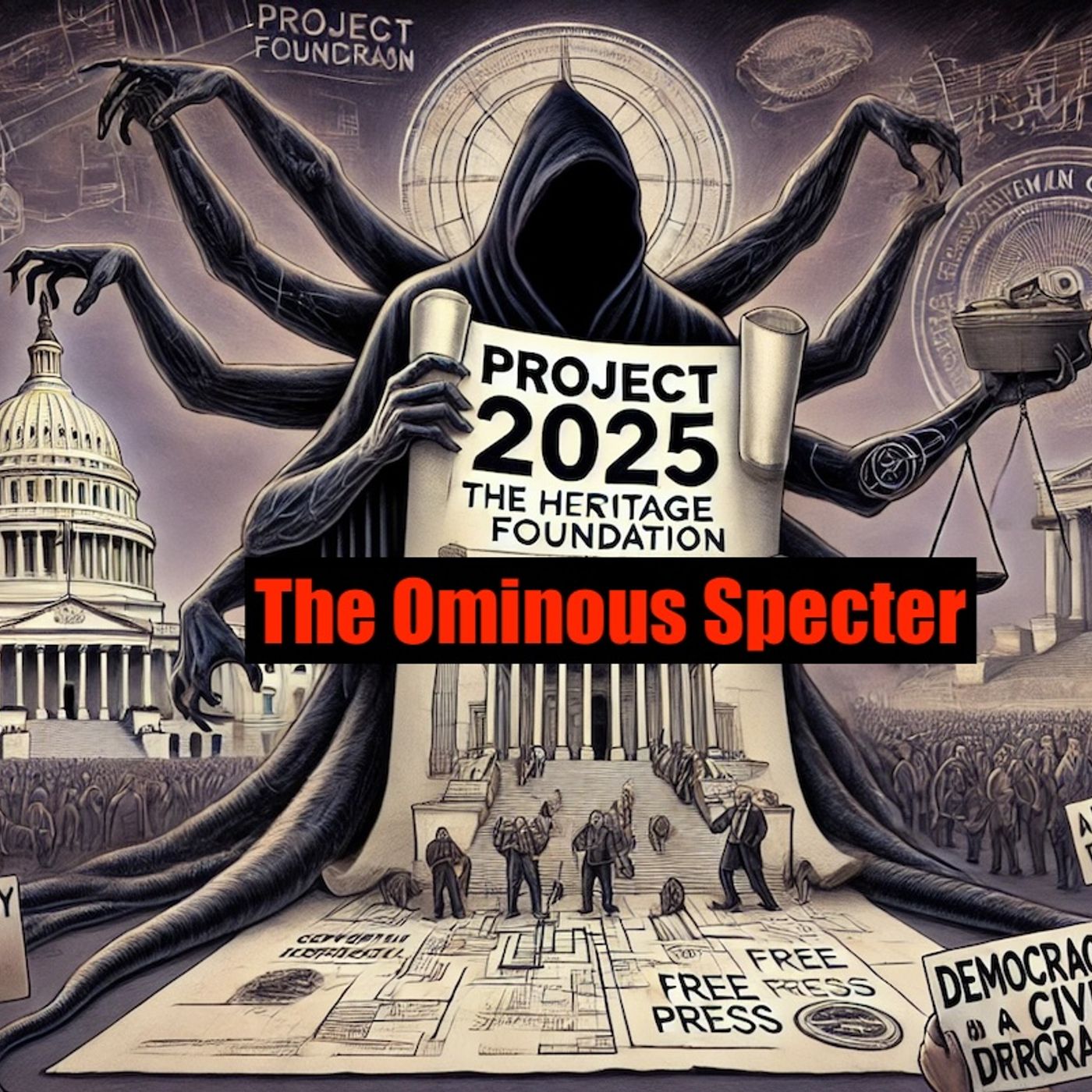
EPISODE · Apr 27, 2025 · 7 MIN
Project 2025: Reshaping the Future of American Governance
from Project 2025: The Ominous Specter · host Inception Point AI
As I delved into the world of Project 2025, I found myself at the forefront of a movement that promises to reshape the very fabric of American governance. This initiative, backed by over 100 respected organizations from across the conservative spectrum, is nothing short of ambitious. At its core, Project 2025 aims to "take down the Deep State and return the government to the people," a mantra that resonates deeply with its supporters. The project's blueprint for change is outlined in the comprehensive document, "Mandate for Leadership: The Conservative Promise," published in April 2023. This tome, crafted by more than 400 scholars and policy experts, presents a wide array of policy suggestions designed to address some of the nation's most pressing challenges. One of the most striking proposals is the call to "secure the border, finish building the wall, and deport illegal aliens." This stance reflects a hardline approach to immigration, a topic that has long been a lightning rod for political debate. Another key area of focus is the reform of federal agencies, particularly the FBI and DOJ. Project 2025 advocates for "de-weaponizing the Federal Government" by increasing accountability and oversight of these institutions. This move is part of a broader effort to make federal bureaucrats more accountable to the democratically elected President and Congress, a theme that echoes throughout the project's policy recommendations. Energy production is another critical sector targeted by Project 2025. The initiative urges the "unleash[ing] of American energy production to reduce energy prices," a strategy that aligns with long-standing conservative views on energy independence and deregulation. This proposal is intertwined with the broader goal of cutting government spending to reduce inflation, a fiscal policy that could have far-reaching implications for the national economy. Education reform is also high on the agenda. Project 2025 proposes shifting control and funding of education from federal bureaucrats to parents and state and local governments. This decentralization is intended to empower local communities to make decisions about their own educational systems, a move that could significantly alter the educational landscape in the United States. One of the more contentious proposals involves banning biological males from competing in women's sports, a policy that has sparked intense debate and criticism from various civil rights groups. The American Civil Liberties Union (ACLU), for instance, has expressed deep concerns about this and other aspects of Project 2025, arguing that such policies undermine civil rights and erode essential social programs[3]. The project's vision for disaster response and management is another area of significant change. Project 2025 recommends reforming FEMA emergency spending to shift the majority of preparedness and response costs to states and localities rather than the federal government. This proposal is based This content was created in partnership and with the help of Artificial Intelligence AI.
Embed this episode
Ready to play
Project 2025: Reshaping the Future of American Governance
No transcript for this episode yet
Similar Episodes
No similar episodes found.
Similar Podcasts
No similar podcasts found.