
EPISODE · Sep 11, 2026 · 4 MIN
Psychology Trauma
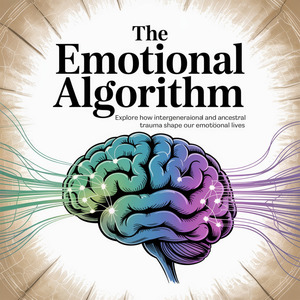
Psychology trauma is one of those topics that can feel both deeply personal and surprisingly universal. Many people think of trauma as something that happens in a single dramatic moment, but emotional pain can also be passed down through families in quieter ways. The way we react to stress, the beliefs we carry about safety, love, and worthiness, and even the coping habits we repeat can all be shaped by experiences that began long before us. In this episode, we’re looking at how intergenerational trauma and ancestral trauma influence emotional psychology, what neuroscience tells us about the brain and body, and how healing inherited patterns can begin. One important idea in psychology trauma is that emotional wounds do not always stay with the person who first experienced them. Families often pass along survival strategies without realizing it. A parent who grew up in chaos may become hypervigilant, emotionally distant, or controlling, not because they want to harm their children, but because those behaviors once helped them survive. Over time, children absorb these patterns as normal. They may learn to suppress feelings, expect conflict, or stay constantly alert to other people’s moods. What gets inherited is not just the memory of pain, but the nervous system’s response to it. That leads us to the neuroscience of emotions. Trauma affects the brain’s threat detection system, especially the amygdala, which helps scan for danger, and the prefrontal cortex, which supports reflection and regulation. When someone lives with chronic stress, the brain can become wired to expect threat even in safe situations. The body may respond with anxiety, shutdown, anger, or dissociation before the mind has time to make sense of what’s happening. In this way, psychology trauma is not only psychological; it is also biological. The body remembers. And when that body is part of a family system shaped by fear, loss, or instability, those responses can echo across generations. Another key piece is understanding ancestral trauma. This doesn’t mean blaming the past or assuming every family pattern is caused by trauma alone. It means recognizing that historical events like war, displacement, poverty, racism, and violence can leave lasting marks on communities and descendants. People may inherit a sense of vigilance, scarcity, or emotional restraint without ever being told the full story. Sometimes the legacy appears as perfectionism, people-pleasing, or a deep discomfort with rest. Other times it shows up as conflict avoidance or difficulty trusting others. Naming these patterns can be powerful because it helps separate identity from inheritance. You are not broken; you may be carrying something that was never fully yours to begin with. Healing inherited patterns starts with awareness, compassion, and repetition. Therapy can help people identify triggers, rework beliefs, and build emotional regulation skills. Practices like grounding, breathwork, journaling, and somatic awareness can help the nervous system learn what safety feels like. Just as important, healing often involves grief: grieving what was missing, what was never named, and what previous generations had to endure in silence. But healing is also relational. When one person learns to respond differently, set boundaries, and feel emotions without shame, that change can ripple outward. It may not erase the past, but it can interrupt the cycle. Psychology trauma reminds us that pain can be inherited, but so can resilience. Families pass down stories, values, creativity, humor, and endurance alongside their wounds. Healing does not require perfection. It begins with curiosity, with asking, “What am I carrying, and what do I want to keep?” The more we understand the emotional psychology behind inherited patterns, the more room we create for choice, regulation, and peace. And that is where transformation begins. Next step: Rewrite Your Emotional Legacy With The Generational Algorithm — https
Embed this episode
Ready to play
Psychology Trauma
No transcript for this episode yet
Similar Episodes
No similar episodes found.
Similar Podcasts
No similar podcasts found.