
EPISODE · Jan 9, 2024 · 6 MIN
PTSD What We Know and What we Don't
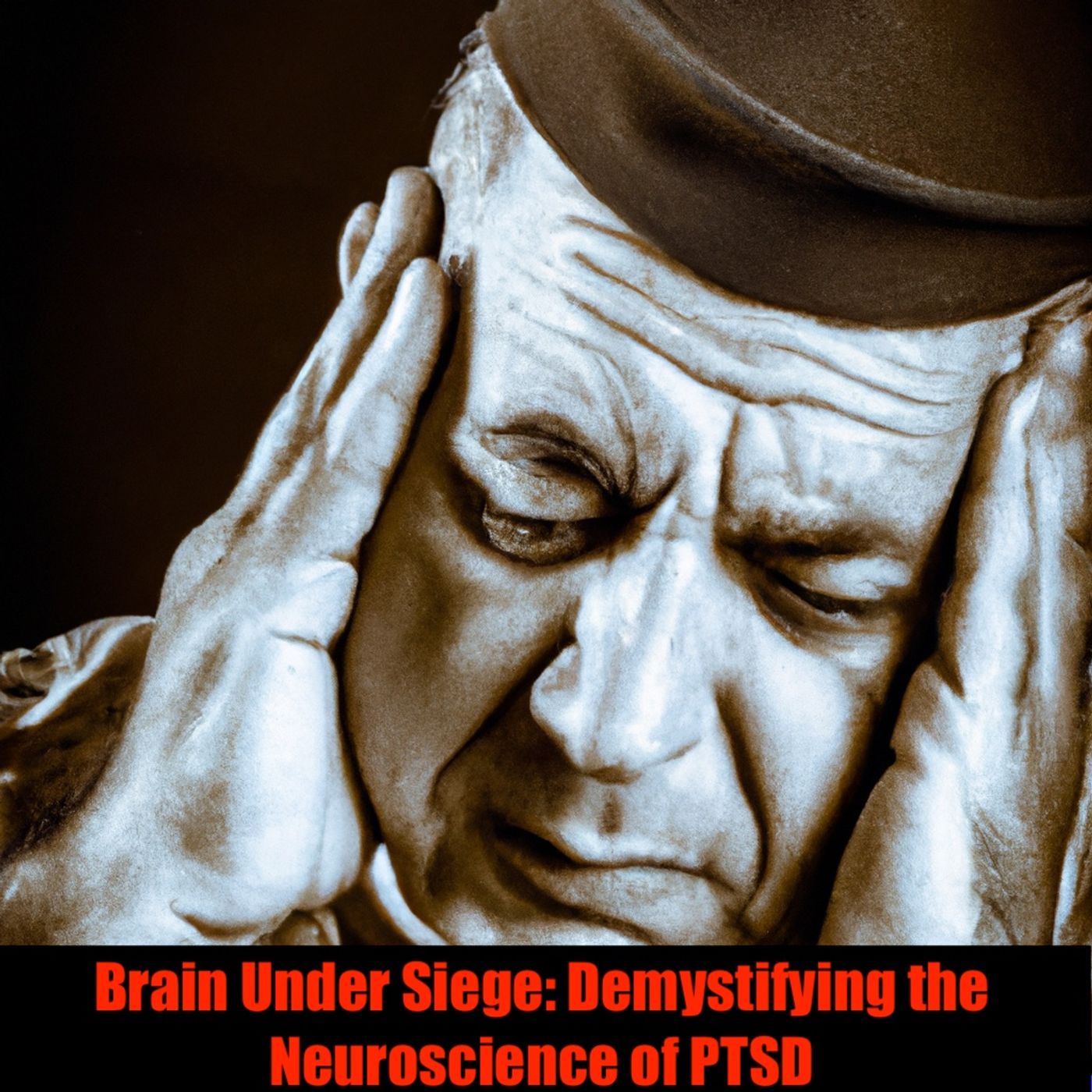
from Brain Under Siege: Demystifying the Neuroscience of PTSD · host Inception Point AI
Post-traumatic stress disorder, or PTSD, is a complex disabling psychiatric condition that can develop after someone experiences or witnesses a profoundly disturbing, frightening or life-threatening event. The trauma triggers a cascade of physiological and psychological symptoms interfering with daily functioning and overall wellbeing. Who PTSD Impacts PTSD can impact anyone who has gone through severe emotional or physical trauma regardless of gender, age, nationality or background. However, certain populations face disproportionately higher risk including: - Military veterans exposed to combat violence - Victims of violent crimes like sexual assault, child abuse, domestic violence, mugging, terrorism - Refugees fleeing warzones, persecution or natural disasters - First responders handling catastrophic accidents with casualties - Patients surviving critical health episodes through emergency interventions Not everyone exposed to trauma develops PTSD which depends on unique risk factors like trauma severity, available social supports, inheritance patterns, childhood adversity levels, and tendency for dissociation or panic responses. But an estimated 8 million American adults have PTSD in a given year with women twice as likely to develop it as men. Global prevalence ranges between just under 4% in peace regions to over 15% in conflict areas. PTSD Causes & Symptoms When external threats like violence or accidents trigger the body’s natural survival “fight or flight” stress response, a flood of adrenaline, cortisol and neurotransmitters alter functioning for quick reaction. Heart rate elevates. Pupils dilate scanning for danger as breathing intensifies circulating oxygen to large muscles prepping to confront the threat. Non-essential bodily processes like digestion shut down to conserve energy for emergency alertness. Under normal circumstances when threats pass, the parasympathetic nervous system kicks in a calming hyper-aroused “fight or flight” response bringing equilibrium. But for PTSD sufferers this off-switch fails leaving systems stuck in overdrive cycles of hypervigilance exhausting the mind and body long after the crisis stabilized. The traumatic memory imprints intense associations linking environmental cues to overwhelming panic. The psyche struggles to integrate shattering experiences outside normal realms into a cohesive understanding of self and world. Core PTSD clusters include: 1) Intrusive memories forcibly reliving the trauma through flashbacks, nightmares, and emotional/physical distress when recall triggers manifest 2) Avoidance of people, places or scenarios reminiscent of the events. Emotional numbing, withdrawal, and selective amnesia lock trauma in the subconscious but sap joy too. 3) Negative thought/mood shifts like survivor’s guilt, shame, difficulty recalling details worsened by lack of sleep or irritable overreactions 4) Heightened arousal levels through aggressive, erratic or self-destructive behavior. Hyp This content was created in partnership and with the help of Artificial Intelligence AI.
Embed this episode
NOW PLAYING
PTSD What We Know and What we Don't
No transcript for this episode yet
Similar Episodes
No similar episodes found.
Similar Podcasts
No similar podcasts found.