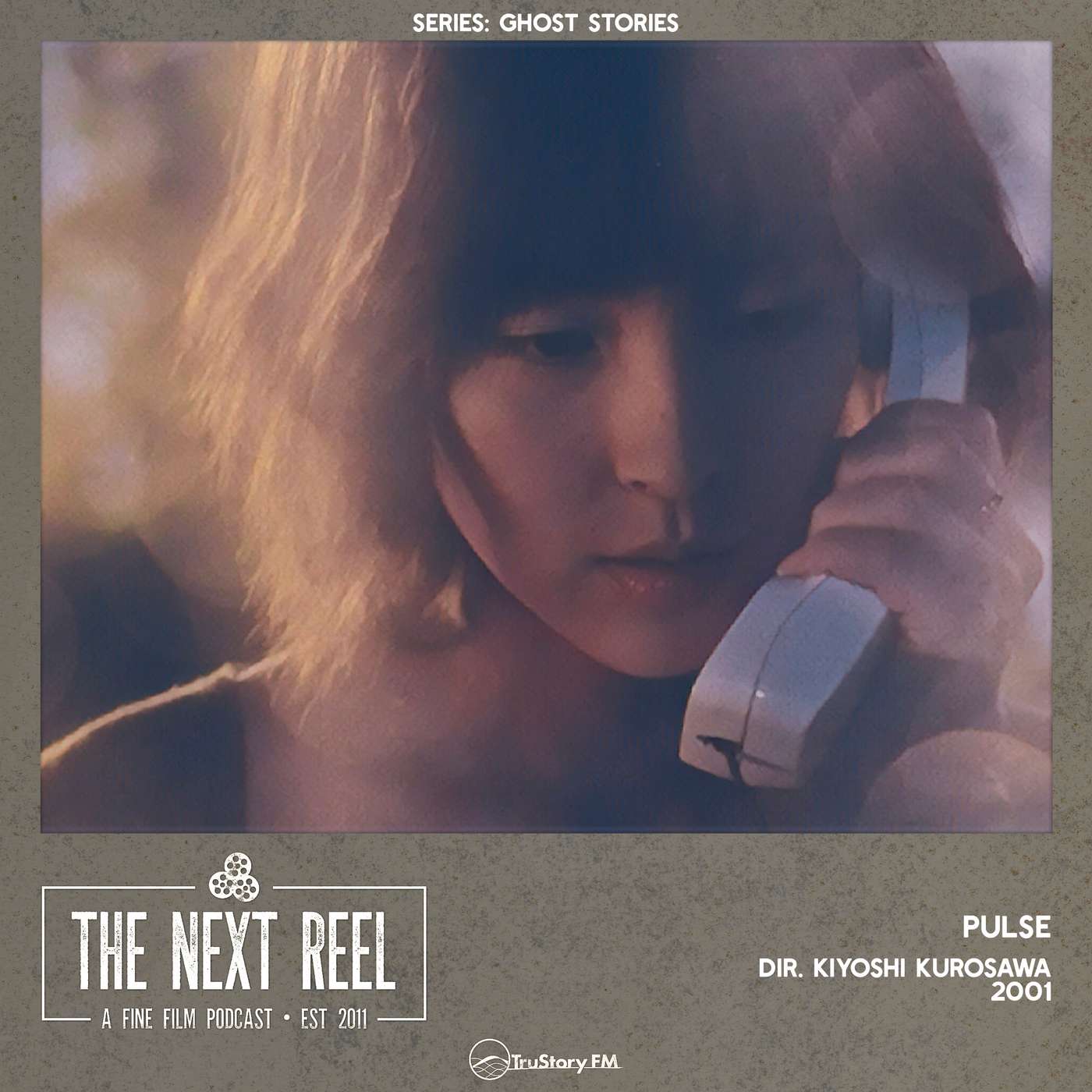
Pulse episode artwork

EPISODE · Oct 17, 2024 · 57 MIN

Pulse

from The Next Reel Film Podcast · host TruStory FM

“Maybe, he suddenly just wanted to die. I get that way sometimes.”The Rise of J-Horror in the International SpotlightJapanese horror, or J-Horror, has a rich history dating back decades, with influential works like Masaki Kobayashi's Kwaidan (1964) and Nobuhiko Obayashi's House (1977) paving the way for the genre. However, it was in the late 1990s and early 2000s that J-Horror truly gained international recognition, thanks to a wave of innovative and terrifying films that captivated audiences worldwide. One of the most significant and thought-provoking films of this era was Kiyoshi Kurosawa's 2001 masterpiece, Pulse. Join us – Pete Wright and Andy Nelson – as we continue the Ghost Stories series with a conversation about Pulse.Exploring the Depths of Loneliness in a Connected WorldAt its core, Pulse is a haunting meditation on the themes of isolation and disconnection in an increasingly technology-driven society. Kurosawa skillfully weaves a narrative that blurs the boundaries between the physical and digital realms, as the characters become entangled in a supernatural world accessed through the internet. As the film progresses, it becomes clear that the true horror lies not in the ghostly apparitions, but in the profound sense of emptiness and loneliness that permeates the characters' lives. Throughout our discussion, we examine how Pulse effectively communicates these themes through its atmospheric storytelling, unsettling imagery, and nuanced performances.Crafting an Unforgettable AtmosphereKurosawa's deliberate use of static shots and wide angles to emphasize the characters' isolationThe film's focus on the younger generation and their relationship with emerging technologiesThe iconic "ghost" movements and the smudged, blurred effects used to depict the supernatural entitiesThe choice of eerie locations, such as abandoned buildings and desolate streets, which contribute to the film's oppressive atmospherePulse's Lasting Impact on J-Horror and BeyondMore than two decades after its release, Pulse continues to stand as a landmark film in the J-Horror genre and a testament to Kiyoshi Kurosawa's visionary directorial prowess. The film's exploration of the potential dangers lurking within our increasingly connected world remains as relevant as ever, striking a chord with contemporary audiences. While the narrative's pace may prove challenging at times, Pulse's ability to provoke introspection and unsettle viewers is undeniable. Its influence can be seen in numerous subsequent horror films, both in Japan and internationally, cementing its status as a true classic of the genre. We have a great time talking about it, so check it out then tune in. The Next Reel – when the movie ends, our conversation begins!Film SundriesAndy’s J-Horror to Watch listWatch this on Apple or Amazon, or find other places at JustWatchTheatrical trailerLetterboxdSupport The Next Reel Family of Film Podcasts:Become a member for just $5/month or $55/yearJoin our Discord community of movie loversThe Next Reel Family of Film Podcasts:Cinema Scope: Bridging Genres, Subgenres, and MovementsThe Film BoardMovies We LikeThe Next Reel Film PodcastSitting in the DarkConnect With Us:Main Site: WebMovie Platforms: Letterboxd | FlickchartSocial Media: Facebook | Instagram | Threads | Bluesky | YouTube | PinterestYour Hosts: Andy | PeteShop & Stream:Merch Store: Apparel, stickers, mugs & moreWatch Page: Buy/rent films we've discussedOriginals: Source material from our episodesSpecial offers: Letterboxd Pro/Patron discount | Audible

“Maybe, he suddenly just wanted to die. I get that way sometimes.”The Rise of J-Horror in the International SpotlightJapanese horror, or J-Horror, has a rich history dating back decades, with influential works like Masaki Kobayashi's Kwaidan (1964) and Nobuhiko Obayashi's House (1977) paving the way for the genre. However, it was in the late 1990s and early 2000s that J-Horror truly gained international recognition, thanks to a wave of innovative and terrifying films that captivated audiences worldwide. One of the most significant and thought-provoking films of this era was Kiyoshi Kurosawa's 2001 masterpiece, Pulse. Join us – Pete Wright and Andy Nelson – as we continue the Ghost Stories series with a conversation about Pulse.Exploring the Depths of Loneliness in a Connected WorldAt its core, Pulse is a haunting meditation on the themes of isolation and disconnection in an increasingly technology-driven society. Kurosawa skillfully weaves a narrative that blurs the boundaries between the physical and digital realms, as the characters become entangled in a supernatural world accessed through the internet. As the film progresses, it becomes clear that the true horror lies not in the ghostly apparitions, but in the profound sense of emptiness and loneliness that permeates the characters' lives. Throughout our discussion, we examine how Pulse effectively communicates these themes through its atmospheric storytelling, unsettling imagery, and nuanced performances.Crafting an Unforgettable AtmosphereKurosawa's deliberate use of static shots and wide angles to emphasize the characters' isolationThe film's focus on the younger generation and their relationship with emerging technologiesThe iconic "ghost" movements and the smudged, blurred effects used to depict the supernatural entitiesThe choice of eerie locations, such as abandoned buildings and desolate streets, which contribute to the film's oppressive atmospherePulse's Lasting Impact on J-Horror and BeyondMore than two decades after its release, Pulse continues to stand as a landmark film in the J-Horror genre and a testament to Kiyoshi Kurosawa's visionary directorial prowess. The film's exploration of the potential dangers lurking within our increasingly connected world remains as relevant as ever, striking a chord with contemporary audiences. While the narrative's pace may prove challenging at times, Pulse's ability to provoke introspection and unsettle viewers is undeniable. Its influence can be seen in numerous subsequent horror films, both in Japan and internationally, cementing its status as a true classic of the genre. We have a great time talking about it, so check it out then tune in. The Next Reel – when the movie ends, our conversation begins!Film SundriesAndy’s J-Horror to Watch listWatch this on Apple or Amazon, or find other places at JustWatchTheatrical trailerLetterboxdSupport The Next Reel Family of Film Podcasts:Become a member for just <a href="https://trustoryfm.memberful.com/checkout?plan=54111" target="_blank" rel="noreferrer...

NOW PLAYING

Pulse

0:00 57:08

No transcript for this episode yet

We transcribe on demand. Request one and we'll notify you when it's ready — usually under 10 minutes.

Frequently Asked Questions

How long is this episode of The Next Reel Film Podcast?

This episode is 57 minutes long.

When was this The Next Reel Film Podcast episode published?

This episode was published on October 17, 2024.

What is this episode about?

“Maybe, he suddenly just wanted to die. I get that way sometimes.”The Rise of J-Horror in the International SpotlightJapanese horror, or J-Horror, has a rich history dating back decades, with influential works like Masaki Kobayashi's Kwaidan (1964)...

Can I download this The Next Reel Film Podcast episode?

Yes, you can download this episode by clicking the download button on the episode player, or subscribe to the podcast in your preferred podcast app for automatic downloads.
URL copied to clipboard!