
EPISODE · Nov 22, 2025 · 26 MIN
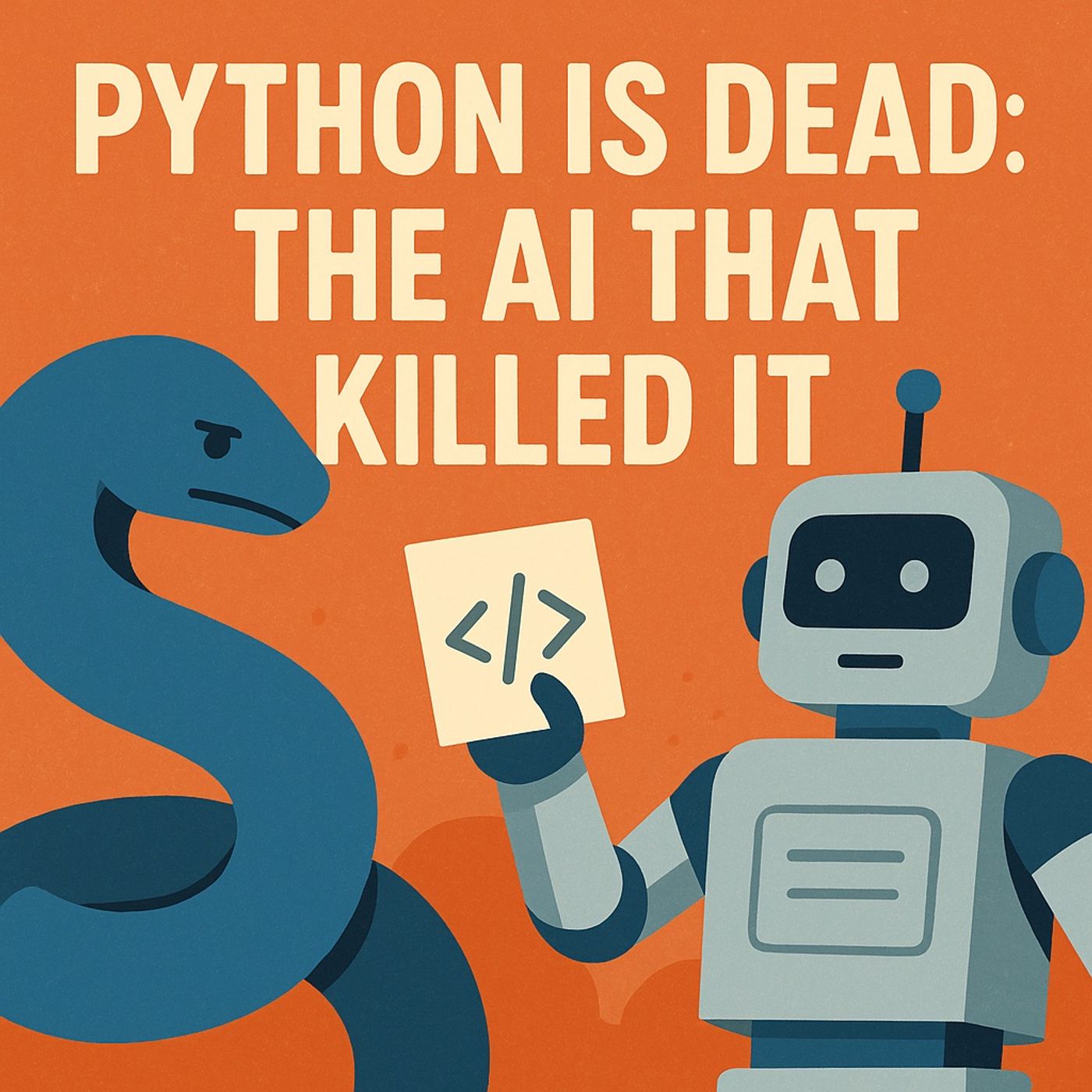
Python Is Dead: The AI That Killed Python for Microsoft Automation
from M365.FM - Modern work, security, and productivity with Microsoft 365 · host Mirko Peters - Founder of m365.fm, m365.show and m365con.net
(00:00:00) The Python Dilemma in Microsoft's AI Stack (00:00:32) The Hidden Costs of Python in Power Automate (00:01:41) The Pitfalls of Using Python as Glue (00:03:52) The Power of AI-Assisted Orchestration (00:04:29) Contained Analytics: The Right Place for Python (00:04:48) The Manual Coding Loop: A Recipe for Disaster (00:07:10) The Agent-Driven Approach to Orchestration (00:12:42) Power BI Data Flows: Python's Proper Place (00:15:51) Power Automate: Replacing Python with Office Scripts (00:19:11) Fabric Notebooks: Containing Python in Analytics In this episode of M365.fm, Mirko Peters challenges the long‑held belief that “Python is the language of AI” — at least inside Microsoft’s ecosystem. He explains why Python is still fantastic for data science and ML notebooks, but a terrible choice as glue code for Power Automate, Power BI, Fabric, and Microsoft 365 automation.WHAT YOU WILL LEARNWhere Python absolutely still shines: data science, ML models, analytics notebooks, and heavy transformationsWhy Python becomes friction in Power Platform: external compute, auth overhead, cold starts, dependency drift, dynamic typing, and brutal debugging at 2:14 a.m.Real horror stories from Python‑powered flows: custom connectors to Functions, broken schemas, notebook orchestration, permission sprawl, and version drift that silently breaks productionHow Office Scripts (TypeScript‑style), native connectors, Copilot‑generated code, and TypeAgent‑style orchestration can replace most Python glue inside Microsoft 365How Copilot and Dataflow Gen2 generate M/Python anchored in your real schemas and semantic models instead of hallucinated structuresA modern hybrid pattern: Python as the analytics and ML engine, AI + TypeScript‑like code as the orchestration layer, and agents as the air‑traffic controllers for validation, retries, and guardrailsQuantifiable results from this shift: faster build times, lower cost, fewer defects, and dramatically simpler governanceTHE CORE INSIGHTPython isn’t “dead,” but its role inside Microsoft 365 has changed. It should power heavy analytics and ML where notebooks and data scientists live — not act as the hidden glue that keeps Power Automate, Power BI, Fabric, and Office running. When you push Python into that glue role, every small change in packages, runtimes, auth, or schemas becomes a production risk, and debugging turns into archaeology.The Microsoft stack is quietly pushing toward a different model: typed, first‑class automation close to the platform (Office Scripts, Power Fx, M, TypeScript‑style code, native connectors) plus AI that generates and maintains that code for you. In that world, Python becomes one specialized engine behind clear contracts, not the duct tape holding everything together.WHO THIS EPISODE IS FORThis episode is ideal for Power Platform makers, Fabric and Power BI professionals, automation engineers, cloud architects, and data teams who currently use Python as glue inside Microsoft 365. If your flows, connectors, and notebooks are fragile, expensive to maintain, and hard to debug, this conversation will show you where to keep Python, where to replace it, and how AI‑generated, typed automation can take over the glue work.ABOUT THE HOSTMirko Peters is a Microsoft 365 consultant and digital workplace architect focused on building reliable, AI‑assisted automation and analytics platforms on the Microsoft cloud. Through M365.fm, Mirko shares real‑world patterns, failure stories, and modern designs that help teams retire fragile Python glue and replace it with grounded, governable automation that actually survives production.Become a supporter of this podcast: https://www.spreaker.com/podcast/m365-fm-modern-work-security-and-productivity-with-microsoft-365--6704921/support.
Embed this episode
NOW PLAYING
Python Is Dead: The AI That Killed Python for Microsoft Automation
No transcript for this episode yet
Similar Episodes
Mar 27, 2026 ·14m
Similar Podcasts
No similar podcasts found.