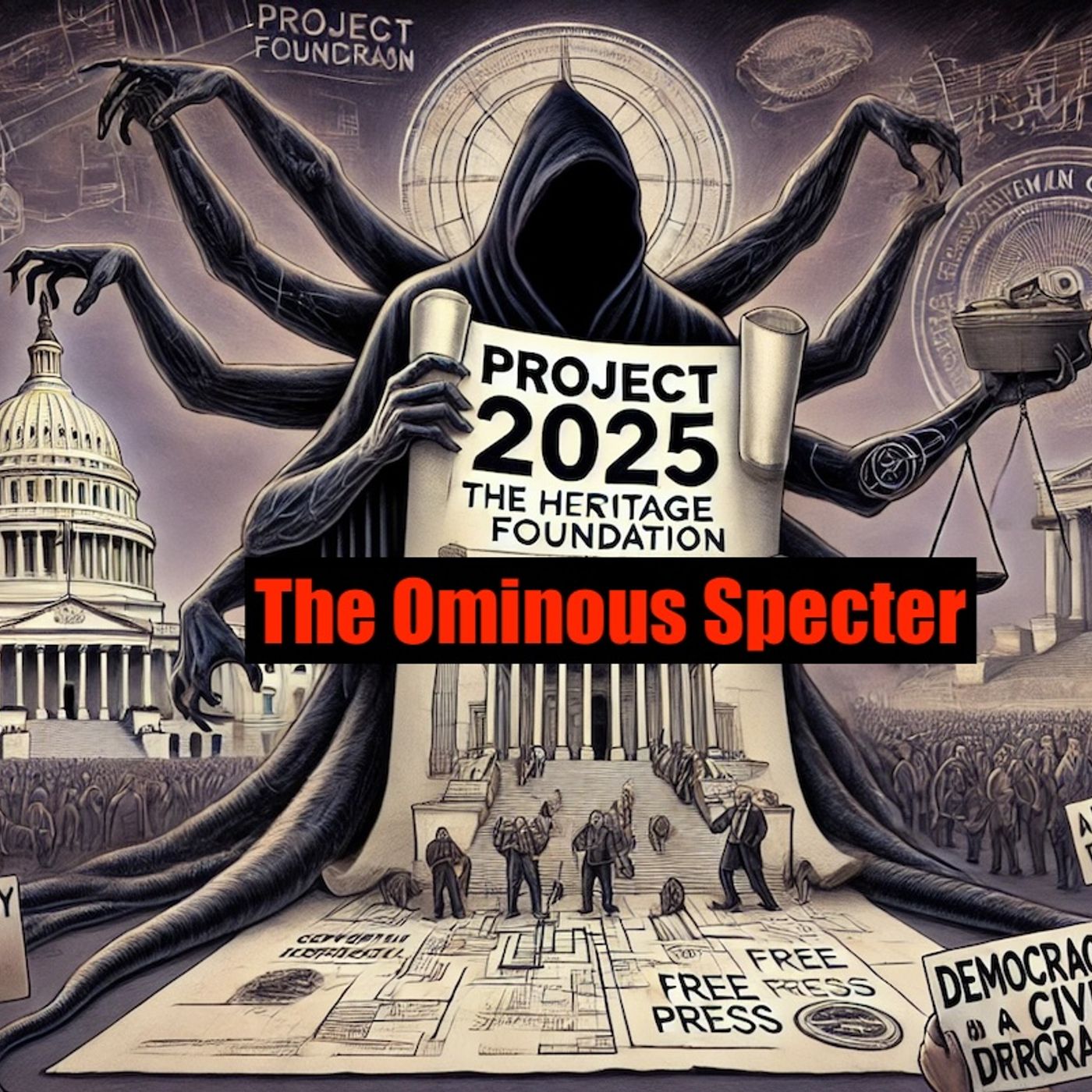
"Radical Conservative Overhaul: Project 2025's Ambitious Plan to Reshape the U.S. Federal Government" episode artwork

EPISODE · Apr 22, 2025 · 5 MIN

"Radical Conservative Overhaul: Project 2025's Ambitious Plan to Reshape the U.S. Federal Government"

from Project 2025: The Ominous Specter · host Inception Point AI

As I delve into the intricacies of Project 2025, it becomes clear that this initiative is not just another policy blueprint, but a comprehensive and ambitious plan to reshape the very fabric of the U.S. federal government. Conceived by a coalition of conservative scholars, policy experts, and former Trump administration officials, Project 2025 aims to consolidate executive power and implement a slew of radical reforms that could have far-reaching implications for American governance. At its core, Project 2025 is driven by four key pillars designed to create an effective conservative administration. This involves a significant overhaul of the federal civil service system, where merit-based hiring would be replaced by appointments based on loyalty to the administration. This shift is particularly evident in the proposed takeover of key government agencies such as the Department of Justice (DOJ), the Federal Bureau of Investigation (FBI), the Department of Commerce (DOC), and the Federal Trade Commission (FTC)[5]. Imagine a scenario where the DOJ, an institution meant to uphold the law impartially, is transformed into a partisan tool. This is exactly what Project 2025 envisions, with the DOJ being tasked to prosecute "anti-white racism" instead of protecting against discrimination across all groups. This proposal is not just a policy change; it represents a fundamental shift in how justice is perceived and administered in the United States. The project also targets other federal agencies for dismantling or significant restructuring. For instance, the Department of Homeland Security (DHS) and the Department of Education (ED) are slated for abolition, reflecting a broader disdain for the current bureaucratic structure. The National Institutes of Health (NIH), a cornerstone of medical research, would see its independence curtailed, with specific proposals to defund stem cell research. These changes are not merely administrative; they signify a profound reorientation of national priorities[5]. One of the most striking aspects of Project 2025 is its economic agenda. The plan advocates for reducing environmental regulations to favor fossil fuels, a move that would likely exacerbate climate change and undermine decades of environmental protection efforts. Additionally, it proposes a flat income tax for individuals and significant tax cuts for corporations, which critics argue would widen the income gap and burden lower-income Americans. Medicare and Medicaid, critical safety nets for millions, would face cuts, further straining the healthcare system[5]. The social and cultural implications of Project 2025 are equally profound. The initiative seeks to criminalize pornography and remove legal protections against anti-LGBT discrimination, rolling back hard-won rights for marginalized communities. Diversity, equity, and inclusion (DEI) programs would be ended, reflecting a broader rejection of progressive social policies. The plan even goes so far as to p This content was created in partnership and with the help of Artificial Intelligence AI.

As I delve into the intricacies of Project 2025, it becomes clear that this initiative is not just another policy blueprint, but a comprehensive and ambitious plan to reshape the very fabric of the U.S. federal government. Conceived by a coalition of conservative scholars, policy experts, and former Trump administration officials, Project 2025 aims to consolidate executive power and implement a slew of radical reforms that could have far-reaching implications for American governance. At its core, Project 2025 is driven by four key pillars designed to create an effective conservative administration. This involves a significant overhaul of the federal civil service system, where merit-based hiring would be replaced by appointments based on loyalty to the administration. This shift is particularly evident in the proposed takeover of key government agencies such as the Department of Justice (DOJ), the Federal Bureau of Investigation (FBI), the Department of Commerce (DOC), and the Federal Trade Commission (FTC)[5]. Imagine a scenario where the DOJ, an institution meant to uphold the law impartially, is transformed into a partisan tool. This is exactly what Project 2025 envisions, with the DOJ being tasked to prosecute "anti-white racism" instead of protecting against discrimination across all groups. This proposal is not just a policy change; it represents a fundamental shift in how justice is perceived and administered in the United States. The project also targets other federal agencies for dismantling or significant restructuring. For instance, the Department of Homeland Security (DHS) and the Department of Education (ED) are slated for abolition, reflecting a broader disdain for the current bureaucratic structure. The National Institutes of Health (NIH), a cornerstone of medical research, would see its independence curtailed, with specific proposals to defund stem cell research. These changes are not merely administrative; they signify a profound reorientation of national priorities[5]. One of the most striking aspects of Project 2025 is its economic agenda. The plan advocates for reducing environmental regulations to favor fossil fuels, a move that would likely exacerbate climate change and undermine decades of environmental protection efforts. Additionally, it proposes a flat income tax for individuals and significant tax cuts for corporations, which critics argue would widen the income gap and burden lower-income Americans. Medicare and Medicaid, critical safety nets for millions, would face cuts, further straining the healthcare system[5]. The social and cultural implications of Project 2025 are equally profound. The initiative seeks to criminalize pornography and remove legal protections against anti-LGBT discrimination, rolling back hard-won rights for marginalized communities. Diversity, equity, and inclusion (DEI) programs would be ended, reflecting a broader rejection of progressive social policies. The plan even goes so far as to p This content was created in partnership and with the help of Artificial Intelligence AI.

NOW PLAYING

"Radical Conservative Overhaul: Project 2025's Ambitious Plan to Reshape the U.S. Federal Government"

0:00 5:34

No transcript for this episode yet

We transcribe on demand. Request one and we'll notify you when it's ready — usually under 10 minutes.

Frequently Asked Questions

How long is this episode of Project 2025: The Ominous Specter?

This episode is 5 minutes long.

When was this Project 2025: The Ominous Specter episode published?

This episode was published on April 22, 2025.

What is this episode about?

As I delve into the intricacies of Project 2025, it becomes clear that this initiative is not just another policy blueprint, but a comprehensive and ambitious plan to reshape the very fabric of the U.S. federal government. Conceived by a coalition...

Can I download this Project 2025: The Ominous Specter episode?

Yes, you can download this episode by clicking the download button on the episode player, or subscribe to the podcast in your preferred podcast app for automatic downloads.
URL copied to clipboard!