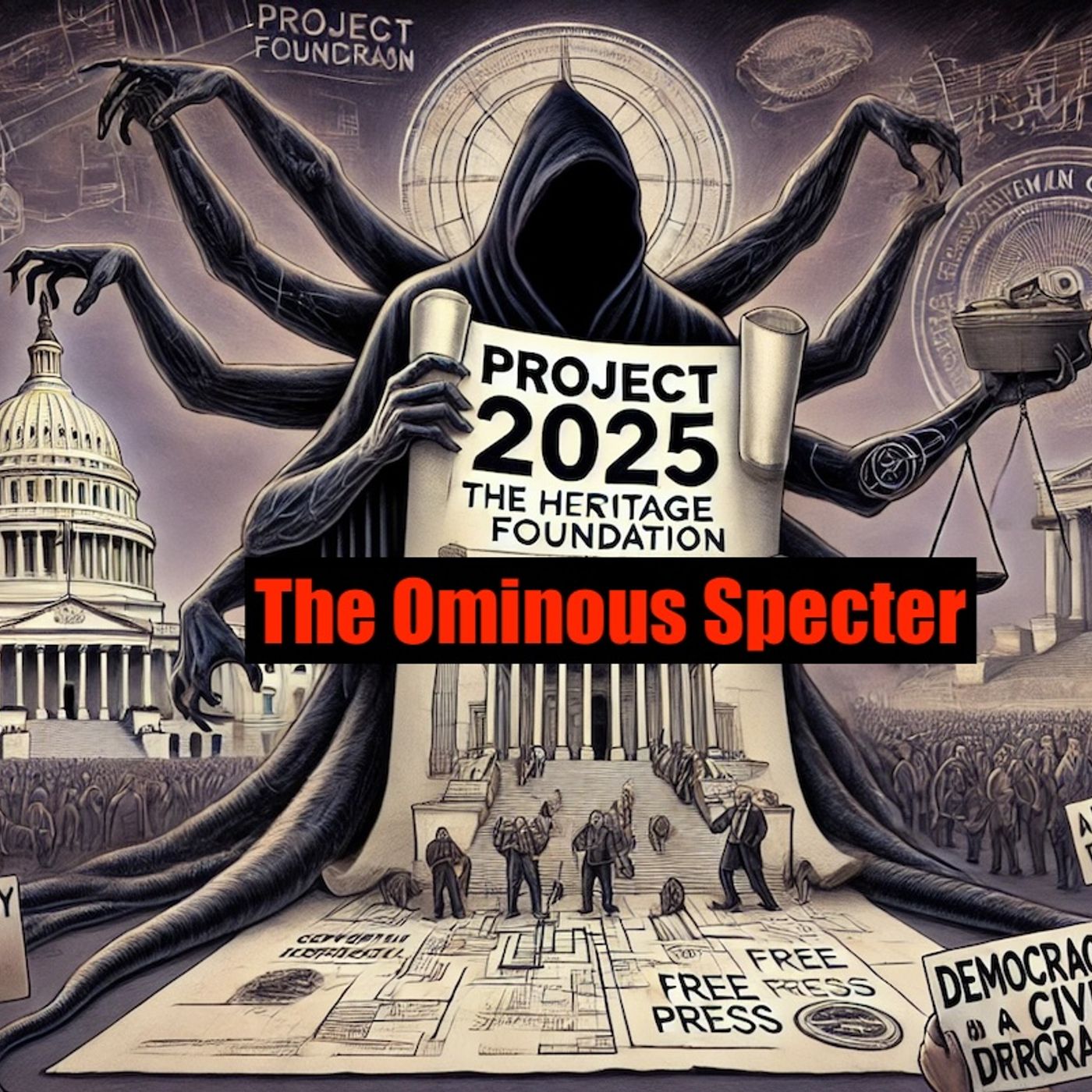
Radical Restructuring Ahead: The Ambitious and Controversial Project 2025 episode artwork

EPISODE · Feb 21, 2025 · 8 MIN

Radical Restructuring Ahead: The Ambitious and Controversial Project 2025

from Project 2025: The Ominous Specter · host Inception Point AI

As I delved into the intricacies of Project 2025, I couldn't help but feel a sense of awe at the sheer scope and ambition of this initiative. Spearheaded by the Heritage Foundation, a conservative think tank with deep ties to the Trump administration, Project 2025 is more than just a policy guide; it's a comprehensive blueprint for a radical restructuring of the federal government. At its core, Project 2025 is a 900-page manual titled "Mandate For Leadership," authored by former Trump administration officials and other conservative stalwarts. This document outlines a vision for the next Republican president to implement sweeping changes across nearly every aspect of American life. From the Department of Energy to the Environmental Protection Agency, and from the Department of Justice to the Department of Education, no federal agency is left untouched. One of the most striking aspects of Project 2025 is its focus on prioritizing fundamental research over practical applications. For instance, the Department of Energy would be reoriented to focus on basic research that the private sector wouldn't otherwise undertake, with many current programs aimed at energy technology development and climate change being eliminated. As the report suggests, many of these programs "act as subsidies to the private sector for government-favored resources"[2]. The Environmental Protection Agency (EPA) is another target for significant overhaul. Project 2025 proposes that the EPA should not use "unrealistic" projections of climate change impacts, such as the RCP 8.5 emissions scenario, and that any science activity must have clear congressional authorization. This move is part of a broader effort to subject EPA research to closer oversight by political appointees, rather than scientists[2]. The project's approach to science policy is not just about reorienting research priorities but also about tightening research security. It proposes restricting academic and technology exchanges with countries labeled as adversaries, primarily China. This measure is designed to prevent what the authors see as the misuse of American research for foreign gain[2]. Beyond science policy, Project 2025 envisions a federal government where executive power is centralized and expanded. The plan advocates for the president to have direct control over the entire executive branch, eliminating the independence of agencies like the Department of Justice, the Federal Bureau of Investigation, and the Federal Trade Commission. This is based on a controversial interpretation of the unitary executive theory, which aims to centralize greater control in the White House. As Kevin Roberts, President of the Heritage Foundation, put it, "all federal employees should answer to the president"[3]. The Department of Justice is particularly targeted for reform. Project 2025 views the DOJ as a "bloated bureaucracy" infatuated with a "radical liberal agenda" and suggests it must be thoroughly reformed and clos This content was created in partnership and with the help of Artificial Intelligence AI.

As I delved into the intricacies of Project 2025, I couldn't help but feel a sense of awe at the sheer scope and ambition of this initiative. Spearheaded by the Heritage Foundation, a conservative think tank with deep ties to the Trump administration, Project 2025 is more than just a policy guide; it's a comprehensive blueprint for a radical restructuring of the federal government. At its core, Project 2025 is a 900-page manual titled "Mandate For Leadership," authored by former Trump administration officials and other conservative stalwarts. This document outlines a vision for the next Republican president to implement sweeping changes across nearly every aspect of American life. From the Department of Energy to the Environmental Protection Agency, and from the Department of Justice to the Department of Education, no federal agency is left untouched. One of the most striking aspects of Project 2025 is its focus on prioritizing fundamental research over practical applications. For instance, the Department of Energy would be reoriented to focus on basic research that the private sector wouldn't otherwise undertake, with many current programs aimed at energy technology development and climate change being eliminated. As the report suggests, many of these programs "act as subsidies to the private sector for government-favored resources"[2]. The Environmental Protection Agency (EPA) is another target for significant overhaul. Project 2025 proposes that the EPA should not use "unrealistic" projections of climate change impacts, such as the RCP 8.5 emissions scenario, and that any science activity must have clear congressional authorization. This move is part of a broader effort to subject EPA research to closer oversight by political appointees, rather than scientists[2]. The project's approach to science policy is not just about reorienting research priorities but also about tightening research security. It proposes restricting academic and technology exchanges with countries labeled as adversaries, primarily China. This measure is designed to prevent what the authors see as the misuse of American research for foreign gain[2]. Beyond science policy, Project 2025 envisions a federal government where executive power is centralized and expanded. The plan advocates for the president to have direct control over the entire executive branch, eliminating the independence of agencies like the Department of Justice, the Federal Bureau of Investigation, and the Federal Trade Commission. This is based on a controversial interpretation of the unitary executive theory, which aims to centralize greater control in the White House. As Kevin Roberts, President of the Heritage Foundation, put it, "all federal employees should answer to the president"[3]. The Department of Justice is particularly targeted for reform. Project 2025 views the DOJ as a "bloated bureaucracy" infatuated with a "radical liberal agenda" and suggests it must be thoroughly reformed and clos This content was created in partnership and with the help of Artificial Intelligence AI.

NOW PLAYING

Radical Restructuring Ahead: The Ambitious and Controversial Project 2025

0:00 8:43

No transcript for this episode yet

We transcribe on demand. Request one and we'll notify you when it's ready — usually under 10 minutes.

Frequently Asked Questions

How long is this episode of Project 2025: The Ominous Specter?

This episode is 8 minutes long.

When was this Project 2025: The Ominous Specter episode published?

This episode was published on February 21, 2025.

What is this episode about?

As I delved into the intricacies of Project 2025, I couldn't help but feel a sense of awe at the sheer scope and ambition of this initiative. Spearheaded by the Heritage Foundation, a conservative think tank with deep ties to the Trump...

Can I download this Project 2025: The Ominous Specter episode?

Yes, you can download this episode by clicking the download button on the episode player, or subscribe to the podcast in your preferred podcast app for automatic downloads.
URL copied to clipboard!