
EPISODE · Feb 18, 2025 · 7 MIN
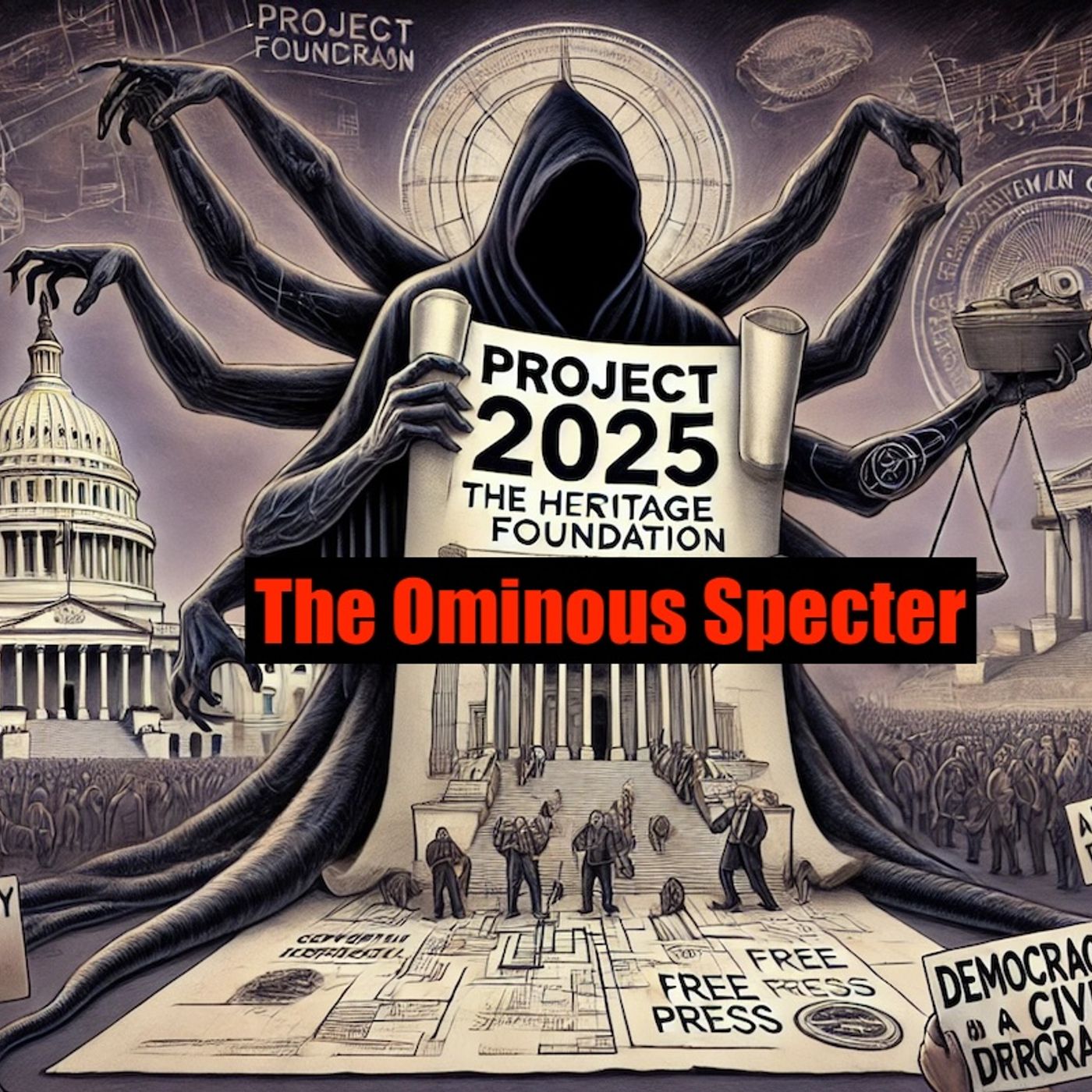
Radical Restructuring Unveiled: Project 2025's Sweeping Vision for the Future of American Governance
from Project 2025: The Ominous Specter · host Inception Point AI
As I delved into the intricacies of Project 2025, I couldn't help but feel a sense of unease about the profound implications this initiative could have on the fabric of American governance. Spearheaded by the Heritage Foundation, a conservative think tank with deep ties to the Trump administration, Project 2025 is more than just a policy guide; it's a comprehensive blueprint for a radical restructuring of the federal government. At its core, Project 2025 is a four-pillared initiative: a detailed policy guide, a database of potential personnel for the next administration, a training program for these candidates, and a playbook for actions to be taken within the first 180 days in office. Led by former Trump administration officials Paul Dans and Spencer Chretien, this project has drawn significant attention for its sweeping proposals that align closely with Trump's past policies and current campaign promises[4]. One of the most striking aspects of Project 2025 is its ambition to consolidate executive power. The project advocates for placing the entire executive branch under direct presidential control, eliminating the independence of agencies like the Department of Justice (DOJ), the Federal Bureau of Investigation (FBI), and the Federal Trade Commission (FTC). This vision is rooted in the unitary executive theory, which aims to centralize greater control over the government in the White House. As Kevin Roberts, the Heritage Foundation President, put it, "all federal employees should answer to the president"[2]. The proposed changes to federal agencies are far-reaching. Project 2025 suggests merging the Bureau of Economic Analysis, the Census Bureau, and the Bureau of Labor Statistics into a single organization, aligning its mission with conservative principles. It recommends abolishing the Consumer Financial Protection Bureau and shrinking the role of the National Labor Relations Board, which protects employees' ability to organize and fight unfair labor practices. The project also calls for the elimination of the Federal Trade Commission, a move that would significantly undermine antitrust enforcement[2]. In the realm of education, Project 2025 envisions a significant reduction of the federal government's role. It proposes closing the Department of Education and giving states control over education funding and policy. The project advocates for public funds to be available as school vouchers, even for parents sending their children to private or religious schools, and suggests cutting funding for free school meals and ending the Head Start program. This shift is justified by the project's backers as a move to treat education as a private rather than a public good[2]. The project's stance on environmental issues is equally contentious. It seeks to downsize the Environmental Protection Agency (EPA), close the EPA's Office of Environmental Justice and External Civil Rights, and reverse a 2009 EPA finding that carbon dioxide emissions are harmful This content was created in partnership and with the help of Artificial Intelligence AI.
Embed this episode
Ready to play
Radical Restructuring Unveiled: Project 2025's Sweeping Vision for the Future of American Governance
No transcript for this episode yet
Similar Episodes
No similar episodes found.
Similar Podcasts
No similar podcasts found.