
EPISODE · Feb 25, 2025 · 7 MIN
Radical Transformation Ahead: Examining the Divisive Agenda of Project 2025
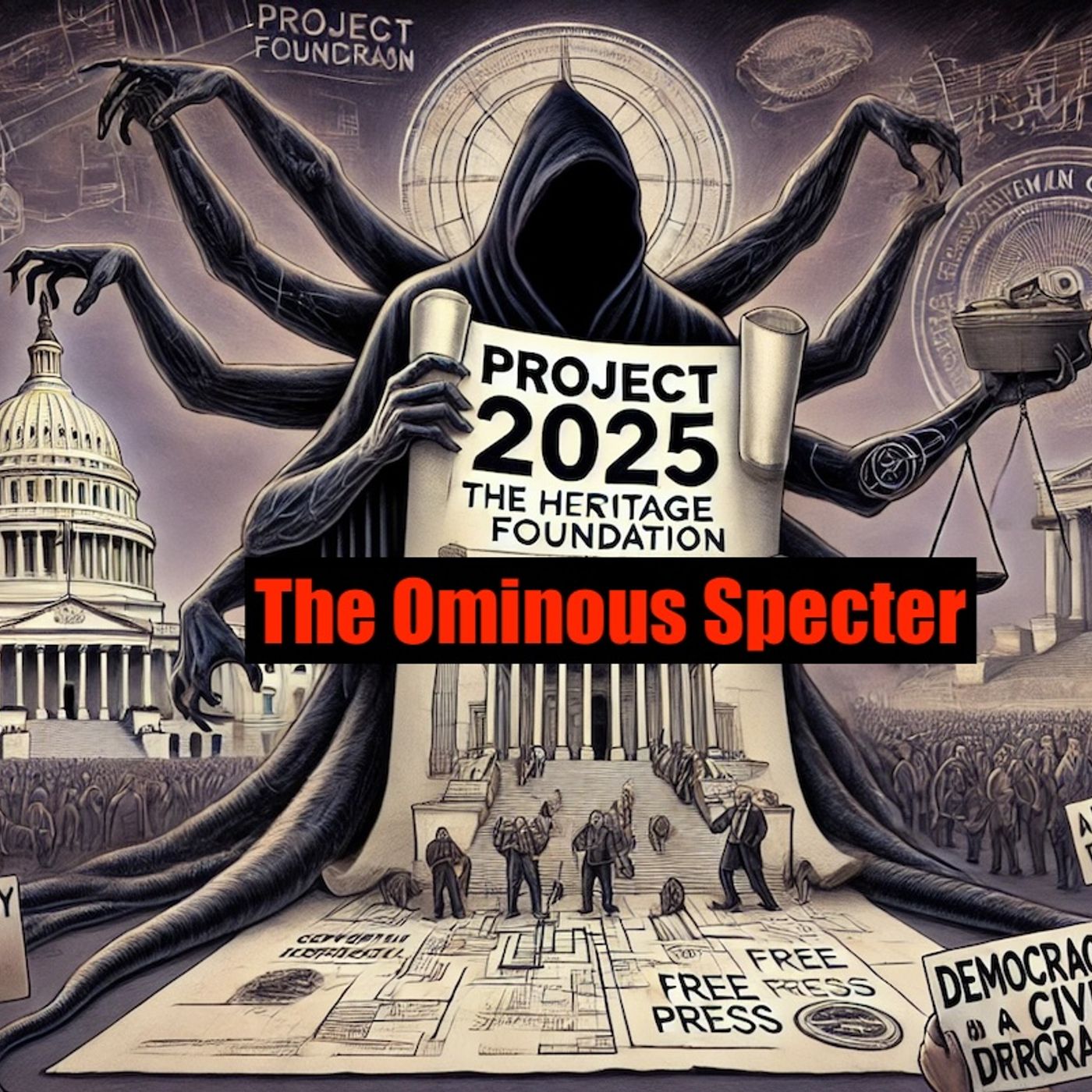
from Project 2025: The Ominous Specter · host Inception Point AI
As I delved into the intricacies of Project 2025, I found myself navigating a complex web of policy proposals, ideological convictions, and far-reaching implications for American governance. This initiative, spearheaded by the Heritage Foundation and involving over 100 conservative groups, is more than just a policy guide; it is a blueprint for a radical transformation of the federal government. At its core, Project 2025 is a 900-plus page "Mandate for Leadership" authored by former Trump administration officials and other conservative stalwarts. The project is built around four pillars: a policy guide for the next presidential administration, a database of potential personnel, training for these candidates, and a playbook of actions to be taken within the first 180 days in office[4]. One of the most striking aspects of Project 2025 is its vision for the redistribution of power within the federal government. The project advocates for a significant expansion of presidential powers, aiming to place the entire executive branch under direct presidential control. This includes eliminating the independence of agencies such as the Department of Justice (DOJ), the Federal Bureau of Investigation (FBI), and the Federal Communications Commission (FCC). According to Kevin Roberts, president of the Heritage Foundation, all federal employees should answer directly to the president, reflecting a unitary executive theory that centralizes greater control in the White House[2]. This centralization of power is not limited to administrative restructuring. Project 2025 also proposes sweeping reforms in various federal agencies. For instance, the Department of Education is slated for dismantling, a move that would gut federal education funding and deny critical resources to vulnerable students. The National Education Association has warned that such changes would devastate public education, sanctioning discrimination against LGBTQ+ students and undermining the very fabric of the education system[3]. In the realm of disaster response, Project 2025 suggests a drastic shift in the role of the Federal Emergency Management Agency (FEMA). The proposal recommends reforming FEMA emergency spending to shift the majority of preparedness and response costs to states and localities, rather than the federal government. This aligns with Trump's recent actions, where he established a review council to advise on FEMA's capabilities and suggested that states should take over disaster response management. The project's authors argue that FEMA is "overtasked" and "overcompensates for the lack of state and local preparedness," leading to deep debt and an unsustainable model[1]. The project's stance on law enforcement is equally contentious. It calls for a thorough reform of the DOJ, criticizing it as a "bloated bureaucracy" infatuated with a "radical liberal agenda." The proposal suggests that the DOJ should combat "affirmative discrimination" or "anti-white racism," and that the C This content was created in partnership and with the help of Artificial Intelligence AI.
Embed this episode
Ready to play
Radical Transformation Ahead: Examining the Divisive Agenda of Project 2025
No transcript for this episode yet
Similar Episodes
No similar episodes found.
Similar Podcasts
No similar podcasts found.