
EPISODE · Apr 1, 2025 · 7 MIN
Radical Transformation Ahead: Project 2025's Blueprint for Reshaping American Governance
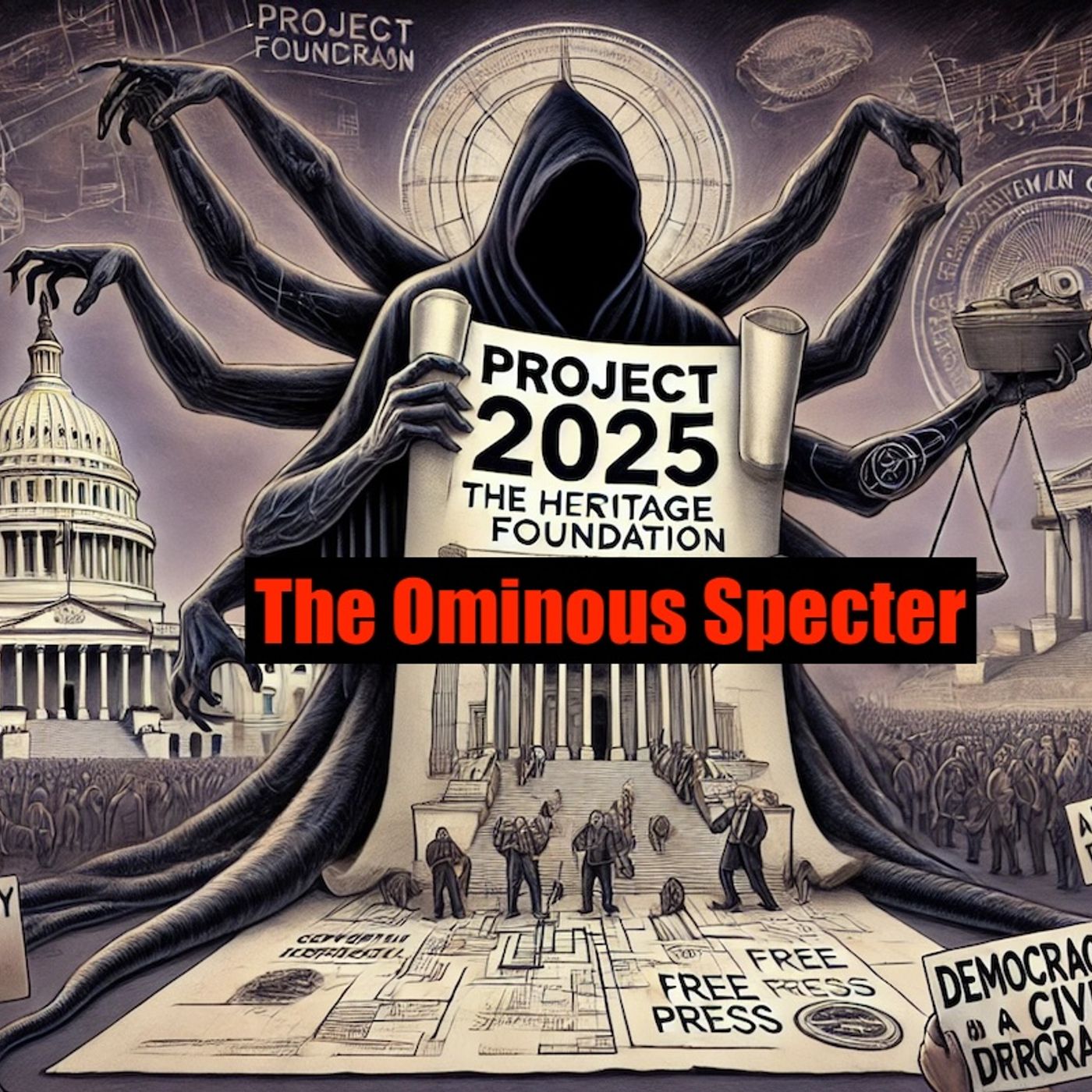
from Project 2025: The Ominous Specter · host Inception Point AI
As I delve into the intricacies of Project 2025, a comprehensive and contentious presidential transition initiative, it becomes clear that this is more than just a policy guide – it's a blueprint for a radical transformation of American governance. Project 2025, spearheaded by the Heritage Foundation, is a multi-faceted plan designed to equip the next conservative president with a detailed policy agenda, a database of potential personnel, training programs, and a playbook for the first 180 days in office. The project is led by former Trump administration officials, including Paul Dans and Spencer Chretien, which has led critics to tie it closely to Trump's policies and campaign promises, despite his public denials of involvement[2][3]. At its core, Project 2025 aims to centralize power in the executive branch, a move that critics argue could significantly erode the system of checks and balances. One of the most alarming proposals involves reissuing Trump’s Schedule F executive order, which would allow the president to dismiss federal employees deemed 'non-performing' or insufficiently loyal. This measure targets the vast federal workforce of approximately 3.5 million employees, potentially disrupting government operations and exacerbating hardships for communities reliant on federal support[1]. The project also proposes sweeping reforms to federal agencies, including a drastic overhaul of the Department of Homeland Security (DHS). Project 2025 suggests transferring the custody of immigrant children from Health and Human Services (HHS) to DHS, prioritizing enforcement over welfare. This change could expand detention centers and worsen the safety and psychological well-being of vulnerable immigrant children. Additionally, the repeal of parts of the Trafficking Victims Protection Reauthorization Act (TVPRA) would facilitate large-scale detention center use across the country[1]. In the realm of reproductive rights, Project 2025's policies are equally concerning. The initiative aligns with recent legal challenges, such as the case involving the FDA's approval of mifepristone, which set a precedent for limiting access to abortion medication. These legal strategies serve as a blueprint for future restrictions on reproductive rights, signaling a potential future where Project 2025’s goals are realized through similar tactics[1]. The project's stance on diversity, equity, and inclusion (DEI) practices is another contentious area. Project 2025 calls for the deletion of terms like DEI, abortion, and gender equality from federal rules, agency regulations, and legislation. This aligns with Trump's recent executive order ending all DEI programs within the federal government, which he claimed could violate federal civil rights laws and exclude Americans from opportunities based on their race or sex[3]. Project 2025 also outlines significant changes to disaster response and emergency funding. The plan proposes reforming FEMA emergency spending to shift th This content was created in partnership and with the help of Artificial Intelligence AI.
Embed this episode
Ready to play
Radical Transformation Ahead: Project 2025's Blueprint for Reshaping American Governance
No transcript for this episode yet
Similar Episodes
No similar episodes found.
Similar Podcasts
No similar podcasts found.