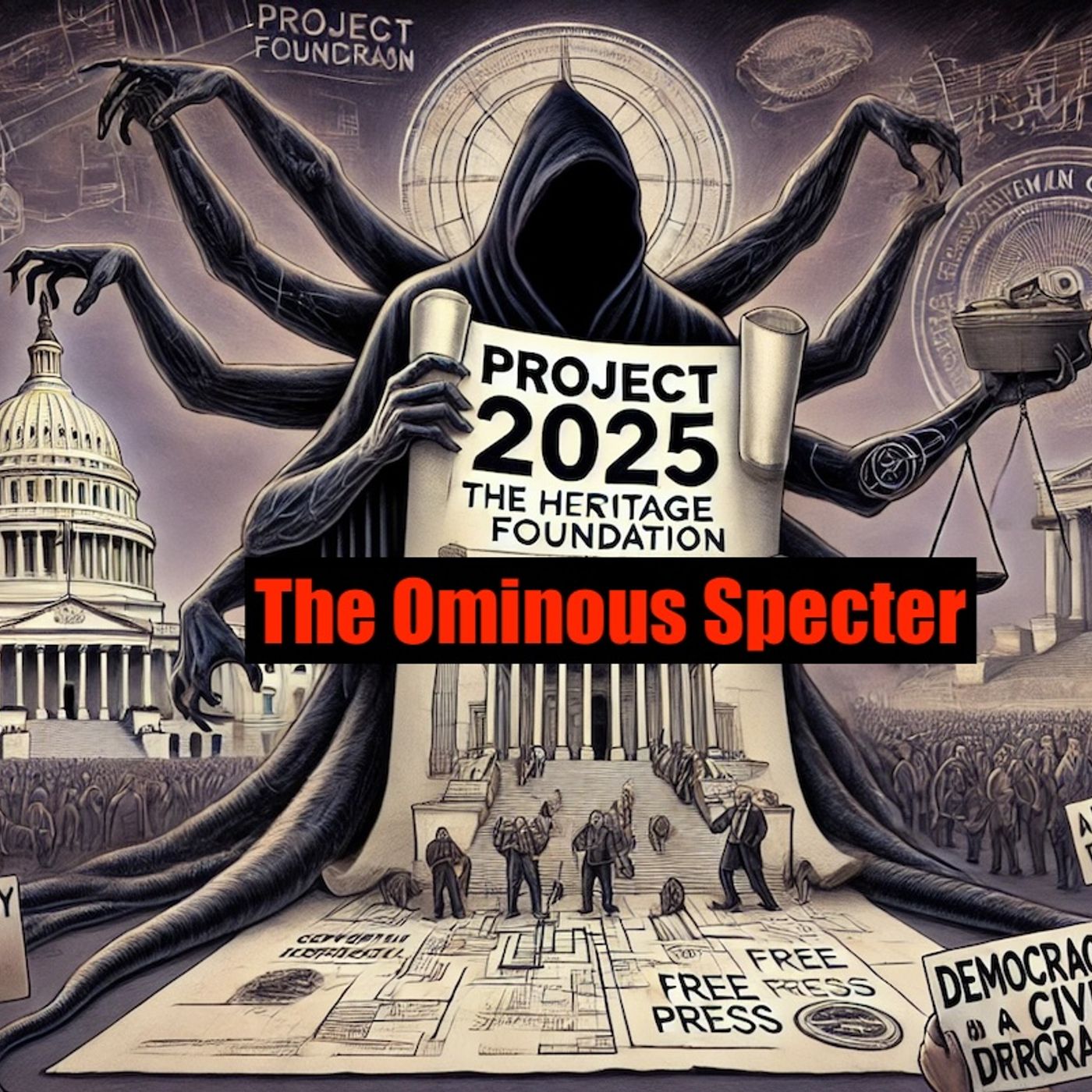
Radical Transformation or Democratic Peril? Examining the Controversial Heritage Foundation's Project 2025 episode artwork

EPISODE · Dec 29, 2024 · 7 MIN

Radical Transformation or Democratic Peril? Examining the Controversial Heritage Foundation's Project 2025

from Project 2025: The Ominous Specter · host Inception Point AI

As I delve into the intricacies of Project 2025, a comprehensive policy initiative crafted by the Heritage Foundation, I am struck by the sheer scope and ambition of its proposals. This 900-page blueprint, released in April 2022, outlines a radical vision for the future of American governance, one that is deeply intertwined with the conservative ideology and, notably, the campaign of former President Donald Trump. At its core, Project 2025 is a manifesto for sweeping changes to economic, social, and governmental policies. It envisions a federal government transformed by partisan control, where agencies like the Department of Justice, Federal Bureau of Investigation, Department of Commerce, Federal Communications Commission, and Federal Trade Commission would be reshaped to align with conservative values. The project proposes dismantling the Department of Homeland Security and abolishing the Department of Education, transferring or terminating its programs in the process[1]. One of the most striking aspects of Project 2025 is its approach to healthcare and social welfare. The plan calls for cutting Medicare and Medicaid, and it urges the government to explicitly reject abortion as healthcare. It also seeks to eliminate coverage of emergency contraception and to use the Comstock Act to prosecute those who send and receive contraceptives and abortion pills. This stance is part of a broader agenda that aims to redefine the role of government in personal and family matters, reflecting a conservative ethos that prioritizes traditional values over individual freedoms[1]. The project's energy and climate policies are equally contentious. It advocates for reducing environmental and climate change regulations to favor fossil fuels, a move that would reverse many of the gains made in recent years towards cleaner energy. For instance, the plan suggests repealing the Inflation Reduction Act, which allocates $370 billion for clean technology, and closing key offices at the Department of Energy focused on climate change mitigation. Diana Furchtgott-Roth, the Heritage Foundation's energy and climate director, has even suggested that the EPA should support increased consumption of natural gas, despite concerns from climatologists about the potential for increased methane leaks[1][2]. Project 2025 also outlines significant changes to science policy, prioritizing fundamental research over applied technology development. The Department of Energy, for example, would focus on research that the private sector would not otherwise conduct, arguing that current programs often act as subsidies for government-favored resources. The Environmental Protection Agency (EPA) would be subject to stricter oversight by political appointees, with a focus on managerial skills over scientific qualifications. This shift could politicize the EPA's research activities, making them more susceptible to partisan influence[2]. The project's approach to civil service and government bureau This content was created in partnership and with the help of Artificial Intelligence AI.

As I delve into the intricacies of Project 2025, a comprehensive policy initiative crafted by the Heritage Foundation, I am struck by the sheer scope and ambition of its proposals. This 900-page blueprint, released in April 2022, outlines a radical vision for the future of American governance, one that is deeply intertwined with the conservative ideology and, notably, the campaign of former President Donald Trump. At its core, Project 2025 is a manifesto for sweeping changes to economic, social, and governmental policies. It envisions a federal government transformed by partisan control, where agencies like the Department of Justice, Federal Bureau of Investigation, Department of Commerce, Federal Communications Commission, and Federal Trade Commission would be reshaped to align with conservative values. The project proposes dismantling the Department of Homeland Security and abolishing the Department of Education, transferring or terminating its programs in the process[1]. One of the most striking aspects of Project 2025 is its approach to healthcare and social welfare. The plan calls for cutting Medicare and Medicaid, and it urges the government to explicitly reject abortion as healthcare. It also seeks to eliminate coverage of emergency contraception and to use the Comstock Act to prosecute those who send and receive contraceptives and abortion pills. This stance is part of a broader agenda that aims to redefine the role of government in personal and family matters, reflecting a conservative ethos that prioritizes traditional values over individual freedoms[1]. The project's energy and climate policies are equally contentious. It advocates for reducing environmental and climate change regulations to favor fossil fuels, a move that would reverse many of the gains made in recent years towards cleaner energy. For instance, the plan suggests repealing the Inflation Reduction Act, which allocates $370 billion for clean technology, and closing key offices at the Department of Energy focused on climate change mitigation. Diana Furchtgott-Roth, the Heritage Foundation's energy and climate director, has even suggested that the EPA should support increased consumption of natural gas, despite concerns from climatologists about the potential for increased methane leaks[1][2]. Project 2025 also outlines significant changes to science policy, prioritizing fundamental research over applied technology development. The Department of Energy, for example, would focus on research that the private sector would not otherwise conduct, arguing that current programs often act as subsidies for government-favored resources. The Environmental Protection Agency (EPA) would be subject to stricter oversight by political appointees, with a focus on managerial skills over scientific qualifications. This shift could politicize the EPA's research activities, making them more susceptible to partisan influence[2]. The project's approach to civil service and government bureau This content was created in partnership and with the help of Artificial Intelligence AI.

NOW PLAYING

Radical Transformation or Democratic Peril? Examining the Controversial Heritage Foundation's Project 2025

0:00 7:45

No transcript for this episode yet

We transcribe on demand. Request one and we'll notify you when it's ready — usually under 10 minutes.

Frequently Asked Questions

How long is this episode of Project 2025: The Ominous Specter?

This episode is 7 minutes long.

When was this Project 2025: The Ominous Specter episode published?

This episode was published on December 29, 2024.

What is this episode about?

As I delve into the intricacies of Project 2025, a comprehensive policy initiative crafted by the Heritage Foundation, I am struck by the sheer scope and ambition of its proposals. This 900-page blueprint, released in April 2022, outlines a radical...

Can I download this Project 2025: The Ominous Specter episode?

Yes, you can download this episode by clicking the download button on the episode player, or subscribe to the podcast in your preferred podcast app for automatic downloads.
URL copied to clipboard!