
EPISODE · Feb 5, 2021 · 44 MIN
Reading Exodus: When Does a Multitude Become a People? (Leon Kass)
from The Biblical Mind
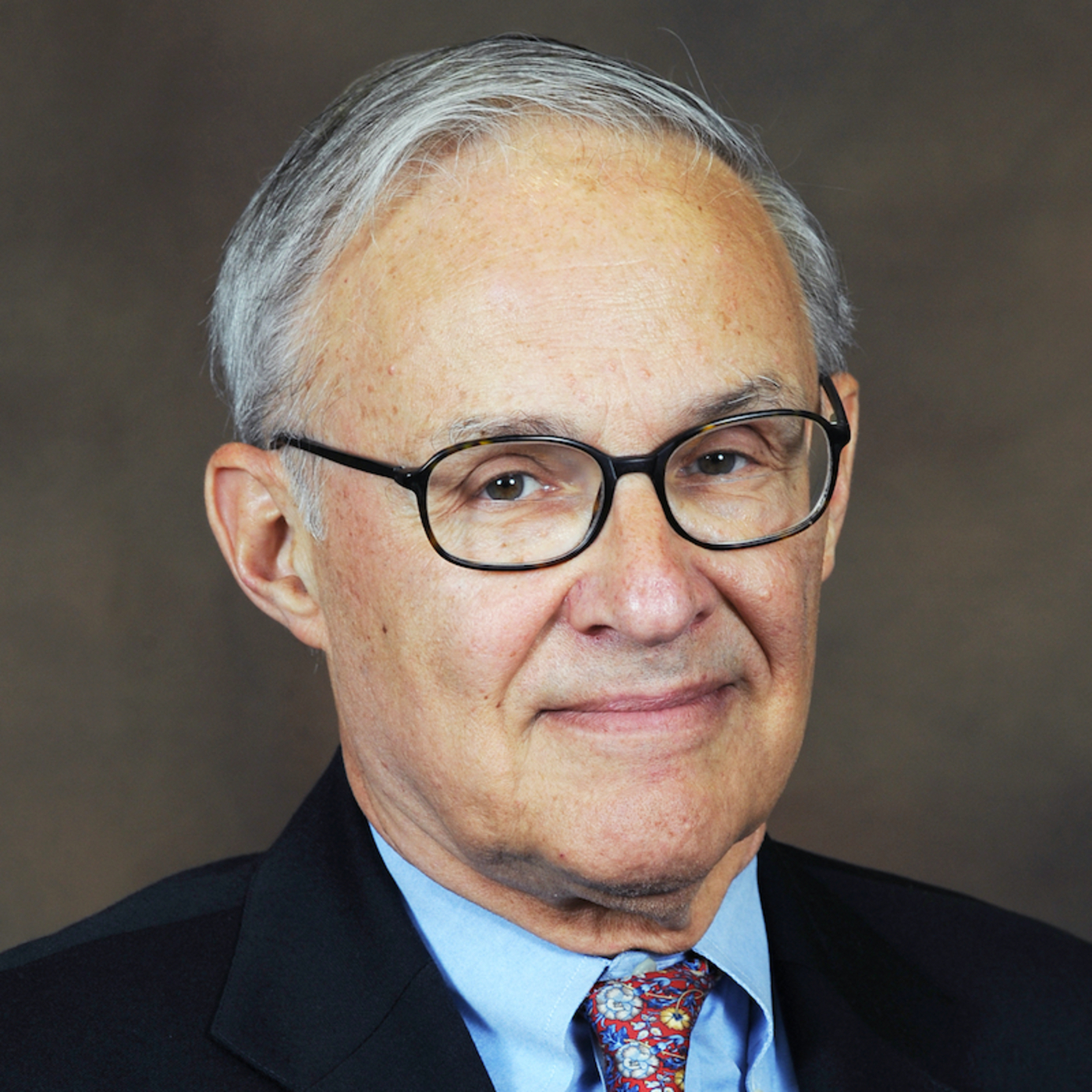
How should we read the book of Exodus? Dr. Leon R. Kass discusses his answer to this question from his recent book, Founding God's Nation: Reading Exodus. Dr. Kass is the Professor Emeritus in the Committee on Social Thought and the College at the University of Chicago, and formerly served as the Chairman of the President's Council on Bioethics under George W. Bush. He has published a host of works in medicine, bioethics, and most recently, biblical studies. Dr. Kass believes that reading Exodus should start with humility and curiosity—perhaps the author of Exodus knows something we don't. From there, we can begin to see Exodus for what it is: a book that not only recounts the story of Israel, but also reveals themes and principles that apply to any person or nation. Specifically, he describes the difference between a multitude and a people, what Exodus has to say about technology, and why God chose a lowly slave people to be His covenantal servants. Show notes: 0:00 Reading with open eyes 4:20 Learning from the great texts 6:55 Genesis, Exodus, technology, and bioethics 13:28 The three things a people needs 19:50 The covenantal foundation of Israel 24:49 Why God started with a lowly people 30:10 Slavery in ancient Israel 35:19 Epistemology in Exodus Learn more about Dr. Kass and his work. Show notes by Micah Long. Credits for the music used in TBM podcast can be found at: hebraicthought.org/credits.See Privacy Policy at https://art19.com/privacy and California Privacy Notice at https://art19.com/privacy#do-not-sell-my-info.
Embed this episode
NOW PLAYING
Reading Exodus: When Does a Multitude Become a People? (Leon Kass)
No transcript for this episode yet
Similar Episodes
No similar episodes found.
Similar Podcasts
No similar podcasts found.