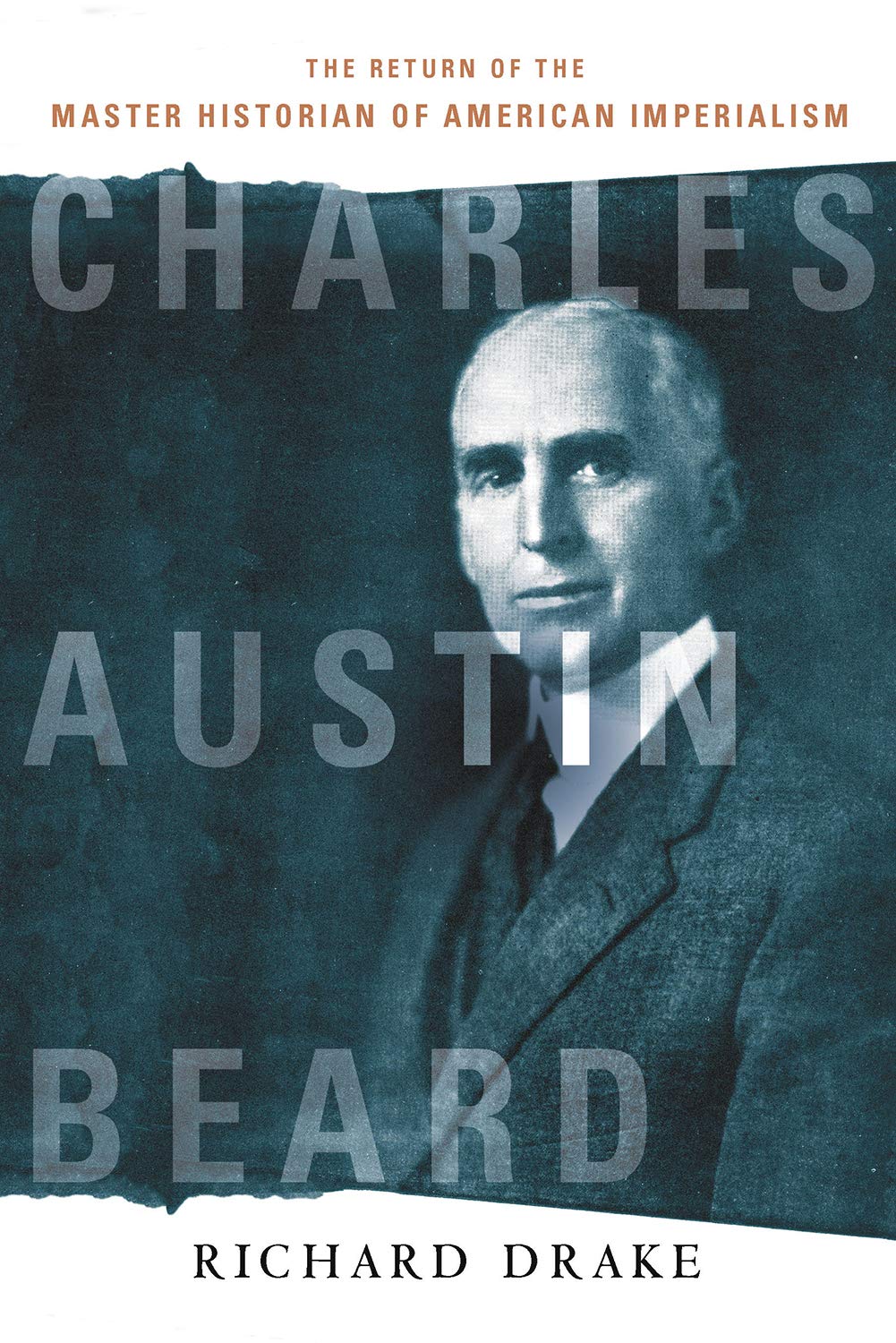
Reevaluating the Forgotten Historian Charles Austin Beard w/ Dr. Richard Drake episode artwork

EPISODE · Dec 2, 2019 · 0 MIN

Reevaluating the Forgotten Historian Charles Austin Beard w/ Dr. Richard Drake

from Parallax Views w/ J.G. Michael · host J.G.

On this edition of Parallax Views, the historian Charles Austin Beard is not widely discussed today, but in the early 20th century he was a juggernaut amongst public intellectuals. Along with his wife Mary Beard, Charles Beard is one of the forebears of the progressive school of historical interpretation. He is perhaps best know for 1913 book An Economic Interpretation of the Constitution of the United States, which provocatively re-evaluated the founding fathers as being driven primarily by material factors rather than ideals. Additionally Bear was a staunch anti-imperialist. So much so, in fact, that he went on to oppose U.S. intervention into WWII. Due to his stance on U.S. involvement in WWII at the time Beard fell out of favor with historians in the latter half of the 20th century. On this edition of the program Dr. Richard Drake, the Lucille Spear Research Chair in Politics and History at University of Montana, joins us to discuss his reevaluating this forgotten figure in his new book Charles Austin Beard: The Return of the Master Historian of American Imperialism.   We begin the conversation by discussing Richard's adjacent research into the great poet Robinson Jeffers, whom shares a great deal in common with Beard. From there we delve into how Richard became interested in figures like Beard and Jeffers, which he says originated with his historical research into European history and the Italian Red Brigades. We then delve into the concept of America as Empire, what it means, and how it relates to Beard's work. After laying that groundwork, Richard and I begin delving into our main subject, the historian Charles Austin Beard, by explaining how Richard's new book relates to his previous work The Education of an Anti-Imperialist: Robert La Follette and U.S. Expansion. Additionally, Richard fills listeners in on how Beard had a strong intellectual collaboration with his wife Mary Ritter Beard, a historian in her on own right who chronicled American women's history, that led to the influential two volume The Rise of American Civilization. Early 20th Century Wisconsin Senator Robert La Follette Charles Beard's wife, Mary Ritter Beard, was an influential historian her on write often credited as a founding figure for the field of American women's history The Rise of American Civilization by Charles and Mary Beard was influential to historians in the first half of the 20th century Richard and I then dig into how Beard became more staunchly anti-imperialist after WWI. Additionally we talk a bit about Beard's radical reinterpretation of the United States Constitutions and his influence on latter 20th century public intellectuals like Gore Vidal and Howard Zinn as well as the Wisconsin School of American diplomatic history as championed by William Appleman Williams. More broadly Richard explains just how much of a revered public intellectual Beard was in his own time and the values that drove his thought. The title of Gore Vidal's Perpetual War for Perpetual Peace is a reference to Charles Austin Beard  We close out the show by discussing the controversy surrounding Beard's opposition to America's entry into WWII. During this portion of the conversation Richard notes how Beard became increasingly critical of FDR both domestically (Beard criticized the New Deal as not doing enough) and in regards to foreign policy. Despite this, Richard points out that Beard was firmly opposed to Adolf Hitler and viewed the notorious Fuhrer of the Third Reich as monstrous. Nonetheless, Beard ultimately believed that U.S. entry into WWII would lead to a disastorous. expansion of American empire and militarism. Richard says that Beard's analyses of these matters are not infallible, but argues that there is still something to be gained from reevaluating Beard. Additionally, Richard and I briefly touch open how Beard, in contrast to some of his contemporaries (most notably Harry Elmer Barnes), refused to dabble in or promote anti-Semitism and in fact had many pro-semitic tendencies. We close out the conversation with Richard's comments on the present and why he believes it is important to reconsider Charles Austin Beard in the 21st centur CHARLES AUSTIN BEARD:THE RETURN OF THE MASTER HISTORIAN OF AMERICAN IMPERIALISM BY RICHARD DRAKE AVAILABLE NOW FROM CORNELL UNIVERSITY PRESS SUPPORT PARALLAX VIEWS ON PATREON! WHERE YOU CAN HEAR... PARALLAX VIEWS THE WEEK THAT WAS CURRENT EVENTS PROGRAM

On this edition of Parallax Views, the historian Charles Austin Beard is not widely discussed today, but in the early 20th century he was a juggernaut amongst public intellectuals. Along with his wife Mary Beard, Charles Beard is one of the forebears of the progressive school of historical interpretation. He is perhaps best know for 1913 book An Economic Interpretation of the Constitution of the United States, which provocatively re-evaluated the founding fathers as being driven primarily by material factors rather than ideals. Additionally Bear was a staunch anti-imperialist. So much so, in fact, that he went on to oppose U.S. intervention into WWII. Due to his stance on U.S. involvement in WWII at the time Beard fell out of favor with historians in the latter half of the 20th century. On this edition of the program Dr. Richard Drake, the Lucille Spear Research Chair in Politics and History at University of Montana, joins us to discuss his reevaluating this forgotten figure in his new book Charles Austin Beard: The Return of the Master Historian of American Imperialism.   We begin the conversation by discussing Richard's adjacent research into the great poet Robinson Jeffers, whom shares a great deal in common with Beard. From there we delve into how Richard became interested in figures like Beard and Jeffers, which he says originated with his historical research into European history and the Italian Red Brigades. We then delve into the concept of America as Empire, what it means, and how it relates to Beard's work. After laying that groundwork, Richard and I begin delving into our main subject, the historian Charles Austin Beard, by explaining how Richard's new book relates to his previous work The Education of an Anti-Imperialist: Robert La Follette and U.S. Expansion. Additionally, Richard fills listeners in on how Beard had a strong intellectual collaboration with his wife Mary Ritter Beard, a historian in her on own right who chronicled American women's history, that led to the influential two volume The Rise of American Civilization. Early 20th Century Wisconsin Senator Robert La FolletteCharles Beard's wife, Mary Ritter Beard, was an influential historian her on write often credited as a founding figure for the field of American women's historyThe Rise of American Civilization by Charles and Mary Beard was influential to historians in the first half of the 20th century Richard and I then dig into how Beard became more staunchly anti-imperialist after WWI. Additionally we talk a bit about Beard's radical reinterpretation of the United States Constitutions and his influence on latter 20th century public intellectuals like Gore Vidal and Howard Zinn as well as the Wisconsin School of American diplomatic history as championed by William Appleman Williams. More broadly Richard explains just how much of a revered public intellectual Beard was in his own time and the values that drove his thought. The title of Gore Vidal's Perpetual War for Perpetual Peace is a reference to Charles Austin Beard  We close out the show by discussing the controversy surrounding Beard's opposition to America's entry into WWII. During this portion of the conversation Richard notes how Beard became increasingly critical of FDR both domestically (Beard criticized the New Deal as not doing enough) and in regards to foreign policy. Despite this, Richard points out that Beard was firmly opposed to Adolf Hitler and viewed the notorious Fuhrer of the Third Reich as monstrous. Nonetheless, Beard ultimately believed that U.S. entry into WWII would lead to a disastorous. expansion of American empire and militarism. Richard says that Beard's analyses of these matters are not infallible, but argues that there is still something to be gained from reevaluating Beard. Additionally, Richard and I briefly touch open how Beard, in contrast to some of his contemporaries (most notably Harry Elmer Barnes), refused to dabble in or promote anti-Semitism and

NOW PLAYING

Reevaluating the Forgotten Historian Charles Austin Beard w/ Dr. Richard Drake

0:00 0:45

No transcript for this episode yet

We transcribe on demand. Request one and we'll notify you when it's ready — usually under 10 minutes.

Undeniable w/ Braxton Curtis Braxton Curtis The official Podcast of Braxton Curtis.A Father, Husband, and Business Owner just trying to figure it all out. Explicit Creativity Threads Life w/ Mr Benja Mr Benja Welcome creatives! These are discussions, thoughts, case studies, interviews, and lessons about how our creativity relates to life. The host, Mr Benja, is a former video game programmer / designer for Rockstar Games, Sony Santa Monica, The 3DO Company, and others, as well as a fine artist. -- Be sure to check out the website for more. Explicit Digital Tea Party W/ Rebekah and Musa digitalteapartypod Welcome to Digital Tea Party with Rebekah and Musa, where we pour a steaming cup of internet drama and sip on the chaos that comes with being chronically online. From TikTok trends to the latest social media meltdowns, we break it all down with unfiltered commentary, a sprinkle of humor, and way too much time on our hands. Join us as we navigate the digital overload and yap about everything the algorithm throws our way. Catch us on YouTube, Spotify, Apple Podcasts, and TikTok—always under Digital Tea Party. Let’s spill the tea, shall we? Explicit The Calculus of IT Nathan McBride & Michael Crispin An exploration into the intricacies of creating, leading, and surviving IT in a corporation.  Every week, Mike and I discuss new ways of thinking about the problems that impact IT Leaders.  Additionally, we will explore today's technological advances and keep it in a fun, easy-listening format while having a few cocktails with friends.  Stay current on all Calculus of IT happenings by visiting our website: www.thecoit.us. To watch the podcast recordings, visit our YouTube page at https://www.youtube.com/@thecalculusofit. Explicit

Frequently Asked Questions

How long is this episode of Parallax Views w/ J.G. Michael?

This episode is 0 minutes long.

When was this Parallax Views w/ J.G. Michael episode published?

This episode was published on December 2, 2019.

What is this episode about?

On this edition of Parallax Views, the historian Charles Austin Beard is not widely discussed today, but in the early 20th century he was a juggernaut amongst public intellectuals. Along with his wife Mary Beard, Charles Beard is one of the...

Can I download this Parallax Views w/ J.G. Michael episode?

Yes, you can download this episode by clicking the download button on the episode player, or subscribe to the podcast in your preferred podcast app for automatic downloads.
URL copied to clipboard!