
EPISODE · Jun 27, 2022 · 1 MIN
Reference Magnets
from The 21st Century Monads · host The 21st Century Monads
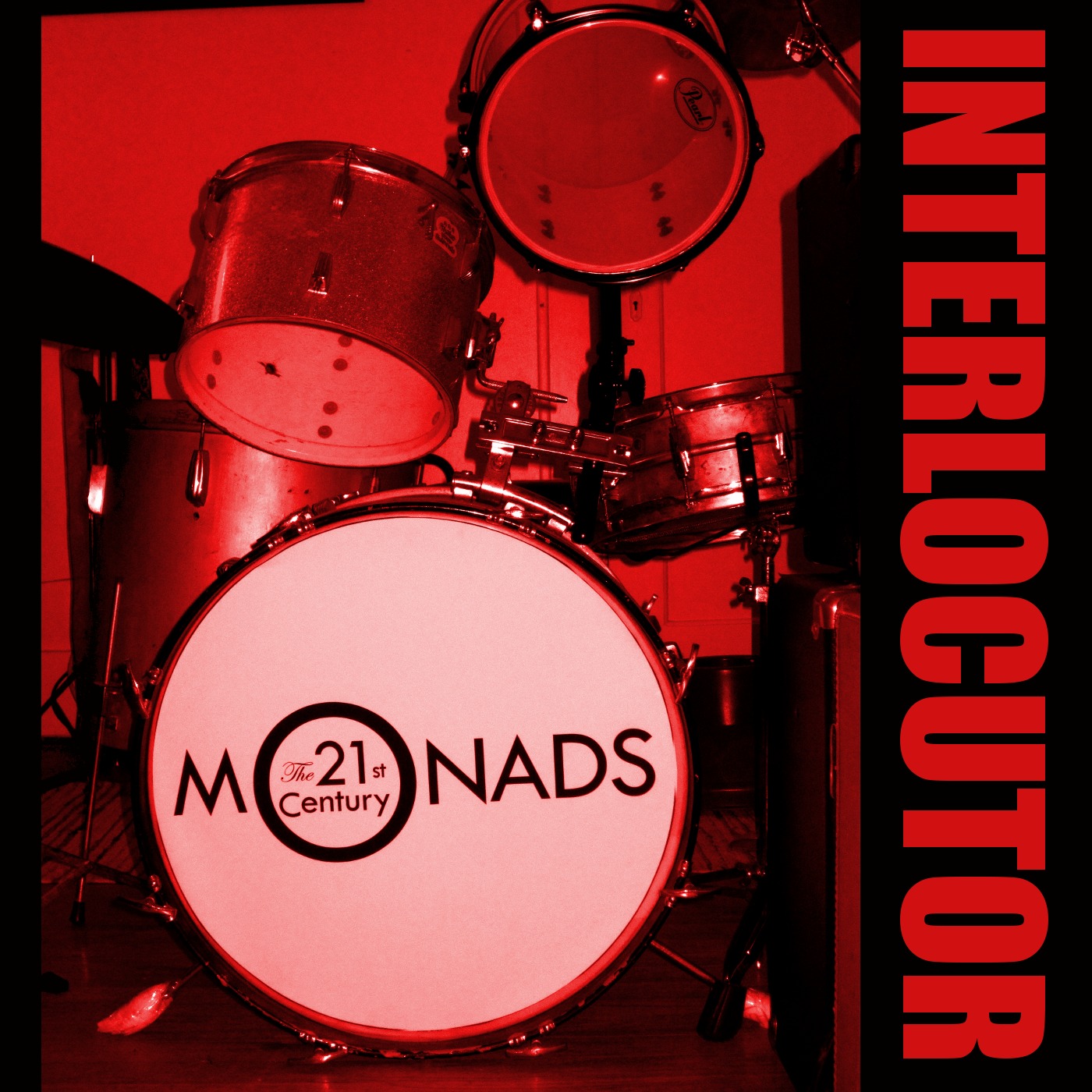
Can we get these works to stick? Lyrics written by Kris McDaniel Kris McDaniel: vocals, keyboards, drum programming Ben Bradley: vocals Cover art by Carrie Jenkins The word “red” refers to the color red rather than the color blue; the name “Kris” refers to the Mereological Bastard rather than the Lazy Monad. But what makes it the case that a word refers to the thing that it in fact refers to? How the word is used is a large part of the story, but it also seems like it can’t be all of it. To see why, let’s consider the word “plus” as used in the sentence “two plus three equals five”. There are infinitely many possible sentences in which the word “plus” appears, but some of them are so lengthy that the human race will expire before anyone is able to finish uttering one of them. Consider now a mathematical function called “quus” that behaves indistinguishably from plus up to the point in which the numerical expressions are to lengthy to ever be uttered–and at that point, this function always yields the answer five. (That is, for any numbers n and m such that n and m have numerical expressions that can be uttered prior to the extinction of the human race, n quus m = n plus m. But if n or m cannot be uttered prior to the extinction of the human race, n quus m = 5. Why does “plus” mean plus rather than quus? Both functions fit equally well with how we use the word “plus” because the difference between them shows up only in sentences that are too long for any of us to ever use. So if facts about how we use “plus” are not sufficient to explain why “plus” refers to plus rather the quus, what other facts are needed? Perhaps plus is simply more eligible to be meant! This is the core idea of a reference magnet: when two objects both equally fit use, but one of them is more inherently eligible to be meant, the more eligible one is the one that is meant. Like a magnet, the eligible referent attracts the word. But reference magnets, how do they work? Copyright 2022 © The 21st Century Monads
What this episode covers
Can we get these works to stick? Lyrics written by Kris McDaniel Kris McDaniel: vocals, keyboards, drum programming Ben Bradley: vocals Cover art by Carrie Jenkins The word “red” refers to the color red rather than the color blue; the name “Kris” refers to the Mereological Bastard rather than the Lazy Monad. But what makes it the case that a word refers to the thing that it in fact refers to? How the word is used is a large part of the story, but it also seems like it can’t be all of it. To see why, let’s consider the word “plus” as used in the sentence “two plus three equals five”. There are infinitely many possible sentences in which the word “plus” appears, but some of them are so lengthy that the human race will expire before anyone is able to finish uttering one of them. Consider now a mathematical function called “quus” that behaves indistinguishably from plus up to the point in which the numerical expressions are to lengthy to ever be uttered–and at that point, this function always yields the answer five. (That is, for any numbers n and m such that n and m have numerical expressions that can be uttered prior to the extinction of the human race, n quus m = n plus m. But if n or m cannot be uttered prior to the extinction of the human race, n quus m = 5. Why does “plus” mean plus rather than quus? Both functions fit equally well with how we use the word “plus” because the difference between them shows up only in sentences that are too long for any of us to ever use. So if facts about how we use “plus” are not sufficient to explain why “plus” refers to plus rather the quus, what other facts are needed? Perhaps plus is simply more eligible to be meant! This is the core idea of a reference magnet: when two objects both equally fit use, but one of them is more inherently eligible to be meant, the more eligible one is the one that is meant. Like a magnet, the eligible referent attracts the word. But reference magnets, how do they work? Copyright 2022 © The 21st Century Monads
NOW PLAYING
Reference Magnets
No transcript for this episode yet
Similar Episodes
Mar 26, 2026 ·1m
Mar 19, 2026 ·34m
Feb 18, 2026 ·11m
Feb 11, 2026 ·45m