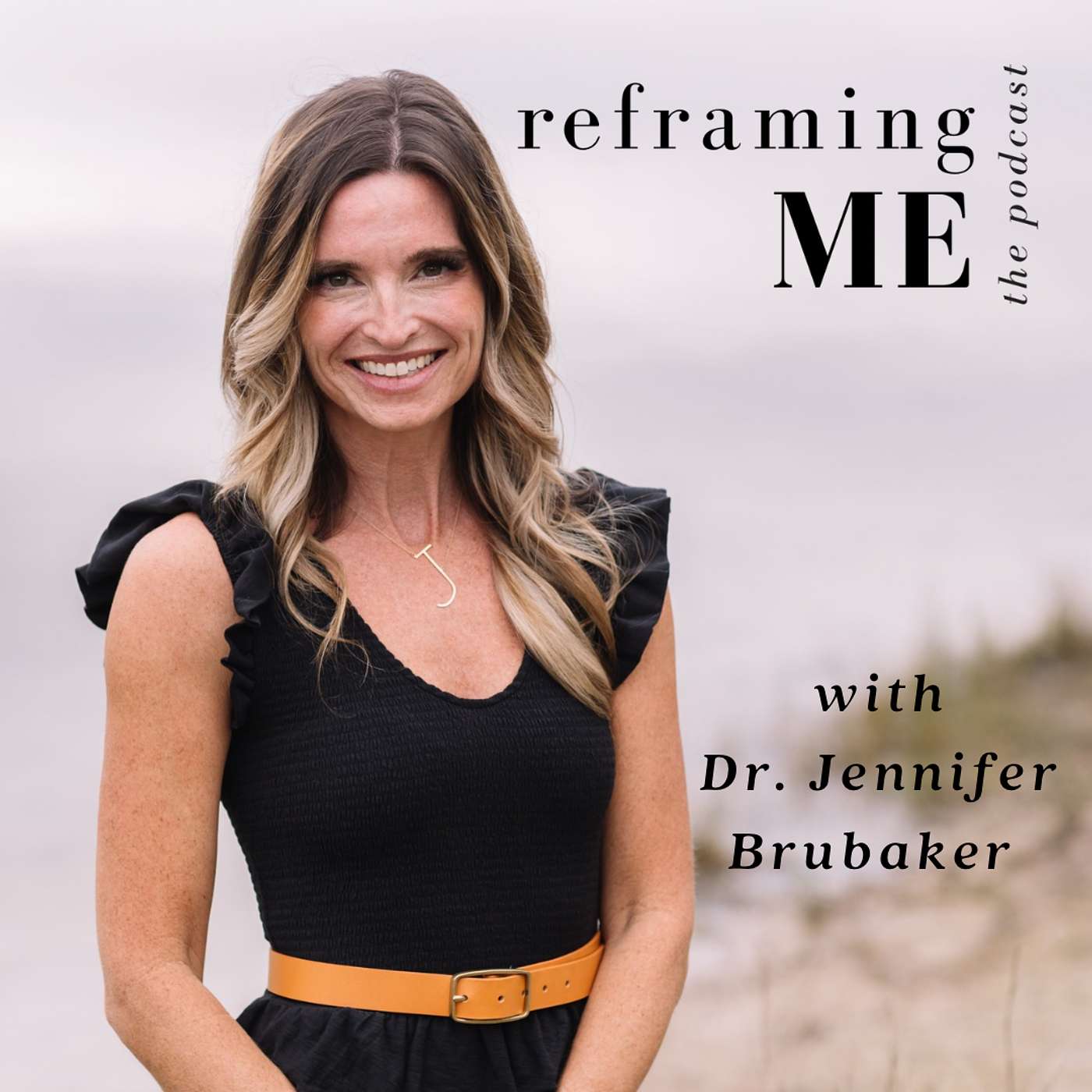
Reframing the Conversation Part 2: How Did We Get Here???

EPISODE · Sep 27, 2024 · 34 MIN

Reframing the Conversation Part 2: How Did We Get Here???

from Reframing Me - Self-Development & Parenting Teens for Midlife Moms · host Jennifer Brubaker

Send us Fan MailThank you for being here for this important and timely conversation! Part 2 explores the growing political polarization in society and its impact on family relationships, emphasizing the importance of understanding how political divisions have intensified. It traces the evolution of media, from traditional gatekeepers like newspapers and radio to the rise of social media, which has exacerbated political dissension by creating echo chambers and spreading misinformation. The episode explains how platforms like Facebook and Twitter have deepened societal divisions by reinforcing users' pre-existing beliefs, leading to selective exposure, perception, and retention of information.It also highlights the role of cognitive biases, such as confirmation bias, in shaping political opinions and creating a fragmented society. Historical examples, such as the 1828 U.S. election, are used to demonstrate that political negativity is not new but has intensified due to the evolving media landscape. The discussion outlines the "perfect storm" of modern factors, including the media environment, the COVID-19 pandemic, civil unrest, and political events like the 2020 U.S. election, which have led to unprecedented political dissension and strained family dynamics. Theories like Social Judgment Theory and Cognitive Dissonance are introduced to explain how people become entrenched in their political views, often rejecting contradictory information that threatens their core identity.By understanding these factors, individuals can improve their communication strategies and work toward healthier discussions in their families, focusing on empathy, active listening, and reframing conversations to reduce polarization.Dr. Jennifer Brubaker is a professor of Communication Studies at the University of North Carolina Wilmington, and teaches and publishes in both Family Communication and Political Communication. “Reframing the Conversation” is a six-part series that focuses on addressing the challenges that families face in communicating across political divides. It explores the psychology behind political polarization and examines how society has reached this point of division. The series emphasizes using strategies like empathy, active listening, and finding common ground to foster healthier conversations and mend complicated relationships. By reframing the way political and family discussions are approached, individuals can work towards reconnecting despite their differences and strengthening their relationships.Thank you for listening and being part of this community! Let's get social. Follow me on Facebook,  on Twitter @reframing_me, on Instagram @reframingme and on TikTok @reframingmeI hope you enjoyed the episode! Please leave a review, catch up on any missed episodes, and be sure to follow the show, so you don't miss new content! 

NOW PLAYING

Reframing the Conversation Part 2: How Did We Get Here???

0:00 34:34

No transcript for this episode yet

We transcribe on demand. Request one and we'll notify you when it's ready — usually under 10 minutes.

Photo Breakdown Scott Wyden Kivowitz Photo Breakdown is a podcast in which we explore the world of photography with a trusted guide, host Scott Wyden Kivowitz. His expertise and passion bring the industry to life as we explore the stories, trends, and ideas shaping it today. Join us as we dissect everything from incredible photographs and creative techniques to the latest gear releases and hot topics in the photography community.In each episode, we break down what’s happening behind the scenes - whether it’s making a powerful image, a candid discussion on industry trends, or a reflection on the tools and technology changing how we make photographs. You’ll get insights, expert opinions, and a fresh perspective on what’s top of mind for photographers right now.Anticipate short, engaging episodes brimming with ideas and inspiration. Be part of the conversation by sharing your thoughts, voice notes, and comments. Your participation is what makes our community vibrant and dynamic.It’s more than just photography - everyth The Last Outlaws Impact Studios at UTS In a History Lab season like no other, we're pulling on the threads of one of Australia's great misunderstood histories, moving beyond the myths to learn what the Aboriginal brothers Jimmy and Joe Governor faced in both life and death.Australia's budding Federation is the background setting to this remarkable story, that sees the Governor brothers tied to the inauguration of a 'new' nation and Australia's dark history of frontier violence, racial injustice and the global trade and defilement of Aboriginal ancestral remains. This Impact Studios production is a collaboration with the Governor family, UTS Faculty of Law and Jumbunna Institute for Indigenous Education and Research.The Last Outlaws teamKatherine Biber - UTS Law Professor and Chief InvestigatorAunty Loretta Parsley - Great-granddaughter of Jimmy Governor and the Governor Family Historian Leroy Parsons - Governor descendant, Narrator and Co-WriterKaitlyn Sawrey - Host, Writer and Senior ProducerFrank Lopez - Writer, Managing Next Generation Energy Systems Cambridge University Background Stakeholders working with energy systems have to make complex decisions formulated from risk-based assessments about the future. The move towards more renewables in our energy systems complicates matters even further, requiring the development of an integrated power grid and continuous and steady transformation of the UK power system. Network flows must be managed reliably under uncertain demands, uncertain supply, emerging network technologies and possible failures and, further, prices in related markets can be highly volatile. Mathematicians working with engineers and economists, can make significant contributions to address such issues, by helping to develop fit-for-purpose models for next generation energy systems. These interdisciplinary approaches are looking to address a range of associated problems, including modelling, prediction, simulation, control, market and mechanism design and optimisation. This knowledge exchange workshop was part of the four months Res WSJ Free for All with Jason Gay Jason Gay, The Wall Street Journal In his unique style, Jason Gay from The Wall Street Journal discusses the current events and news you need to be informed on sports, culture and life. Enjoy these timely and engaging stories in our WSJ Free for All podcast.
URL copied to clipboard!