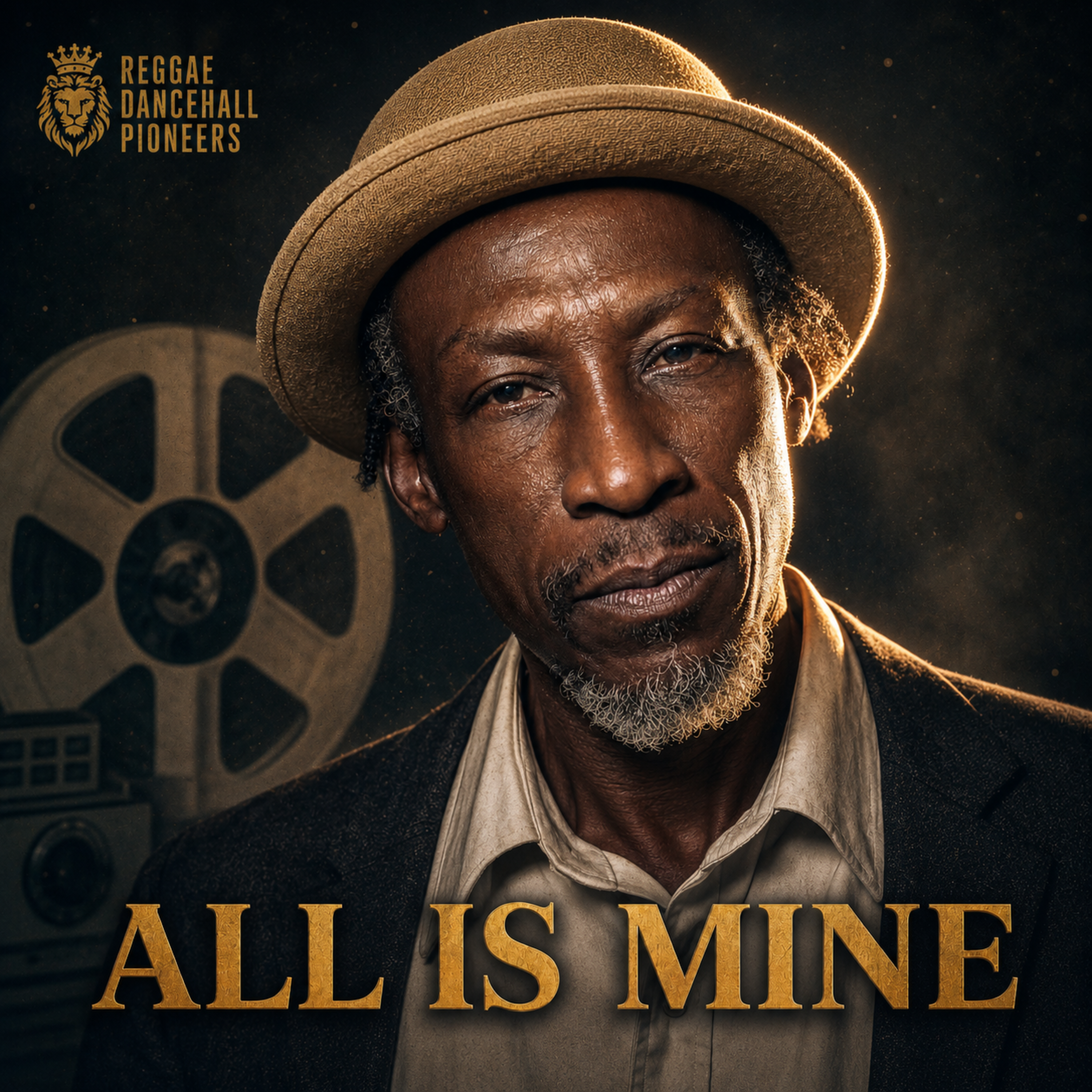
REGGAE DANCEHALL PIONEERS: Alton Ellis — All Is Mine | Part 1 | The Sentence That Defined the Rocksteady Era episode artwork

EPISODE · May 24, 2026 · 2 MIN

REGGAE DANCEHALL PIONEERS: Alton Ellis — All Is Mine | Part 1 | The Sentence That Defined the Rocksteady Era

from History of the Caribbeans | Exploring Resilience and Culture · host history experts | Joe & Kevin

Alton Ellis — the Godfather of Rocksteady — spent eighteen months walking the streets of Kingston after one sentence broke him: "All is mine." This is Part 1 of his story, and the words a Jamaican producer allegedly said when an artist asked where the money was. Born in Trenchtown, Kingston on September 1, 1938, Alton Nehemiah Ellis grew up in a yard full of music before Jamaica had its own popular sound. The independence flag was still twenty-four years away. The sound systems had not yet been built into mobile cathedrals. Studio One, Treasure Isle, and Federal were not yet what they were about to become. And the boy who would invent rocksteady was, in those early years, a dancer first — moving before he sang. In this episode of Reggae Dancehall Pioneers, we trace Alton Ellis from the Vere Johns Opportunity Hour at the Majestic Theatre, through his sister Hortense Ellis taking the early spotlight, to the Saturday night in 1955 when a young Dennis Alcapone walked into the Majestic and witnessed the moment the Ellis name began to change Jamaican music forever. This is the story of a singer whose voice helped invent a whole genre of music — and who spent the rest of his life trying to be paid for it. WHAT YOU'LL HEAR IN PART 1 — The sentence that defined Alton Ellis's life: "All is mine"— Trenchtown, Kingston, 1938 — the Jamaica before Jamaican music had a name— The Ellis family yard and the rise of his sister Hortense Ellis— Vere Johns Opportunity Hour at the Majestic Theatre— The Saturday night in 1955 that changed everything— How a dancer became the Godfather of Rocksteady— The eighteen months Alton Ellis walked the streets after leaving Coxsone Dodd— Studio One, Treasure Isle, and the golden age of Jamaican music ABOUT THE SHOW Reggae Dancehall Pioneers tells the untold stories behind the voices that built Jamaican music — from the rocksteady era through roots reggae, dub, dancehall, and the sound that conquered the world from a single island. The producers, the singers, the betrayals, the breakthroughs, and the legacies that survived them. New episodes release regularly. Follow the show on your favorite podcast app so you never miss a pioneer's story. If this episode moved you, the single most helpful thing you can do is leave a rating and review on Apple Podcasts or Spotify. It tells the algorithm to put these stories in front of the next listener who needs to hear them. Next episode — Alton Ellis Part 2: the rocksteady years, the betrayal, and the eighteen months on the street.

Alton Ellis — the Godfather of Rocksteady — spent eighteen months walking the streets of Kingston after one sentence broke him: "All is mine." This is Part 1 of his story, and the words a Jamaican producer allegedly said when an artist asked where the money was. Born in Trenchtown, Kingston on September 1, 1938, Alton Nehemiah Ellis grew up in a yard full of music before Jamaica had its own popular sound. The independence flag was still twenty-four years away. The sound systems had not yet been built into mobile cathedrals. Studio One, Treasure Isle, and Federal were not yet what they were about to become. And the boy who would invent rocksteady was, in those early years, a dancer first — moving before he sang. In this episode of Reggae Dancehall Pioneers, we trace Alton Ellis from the Vere Johns Opportunity Hour at the Majestic Theatre, through his sister Hortense Ellis taking the early spotlight, to the Saturday night in 1955 when a young Dennis Alcapone walked into the Majestic and witnessed the moment the Ellis name began to change Jamaican music forever. This is the story of a singer whose voice helped invent a whole genre of music — and who spent the rest of his life trying to be paid for it. WHAT YOU'LL HEAR IN PART 1 — The sentence that defined Alton Ellis's life: "All is mine"— Trenchtown, Kingston, 1938 — the Jamaica before Jamaican music had a name— The Ellis family yard and the rise of his sister Hortense Ellis— Vere Johns Opportunity Hour at the Majestic Theatre— The Saturday night in 1955 that changed everything— How a dancer became the Godfather of Rocksteady— The eighteen months Alton Ellis walked the streets after leaving Coxsone Dodd— Studio One, Treasure Isle, and the golden age of Jamaican music ABOUT THE SHOW Reggae Dancehall Pioneers tells the untold stories behind the voices that built Jamaican music — from the rocksteady era through roots reggae, dub, dancehall, and the sound that conquered the world from a single island. The producers, the singers, the betrayals, the breakthroughs, and the legacies that survived them. New episodes release regularly. Follow the show on your favorite podcast app so you never miss a pioneer's story. If this episode moved you, the single most helpful thing you can do is leave a rating and review on Apple Podcasts or Spotify. It tells the algorithm to put these stories in front of the next listener who needs to hear them. Next episode — Alton Ellis Part 2: the rocksteady years, the betrayal, and the eighteen months on the street.

NOW PLAYING

REGGAE DANCEHALL PIONEERS: Alton Ellis — All Is Mine | Part 1 | The Sentence That Defined the Rocksteady Era

0:00 2:32

No transcript for this episode yet

We transcribe on demand. Request one and we'll notify you when it's ready — usually under 10 minutes.

Frequently Asked Questions

How long is this episode of History of the Caribbeans | Exploring Resilience and Culture?

This episode is 2 minutes long.

When was this History of the Caribbeans | Exploring Resilience and Culture episode published?

This episode was published on May 24, 2026.

What is this episode about?

Alton Ellis — the Godfather of Rocksteady — spent eighteen months walking the streets of Kingston after one sentence broke him: "All is mine." This is Part 1 of his story, and the words a Jamaican producer allegedly said when an artist asked where...

Can I download this History of the Caribbeans | Exploring Resilience and Culture episode?

Yes, you can download this episode by clicking the download button on the episode player, or subscribe to the podcast in your preferred podcast app for automatic downloads.
URL copied to clipboard!