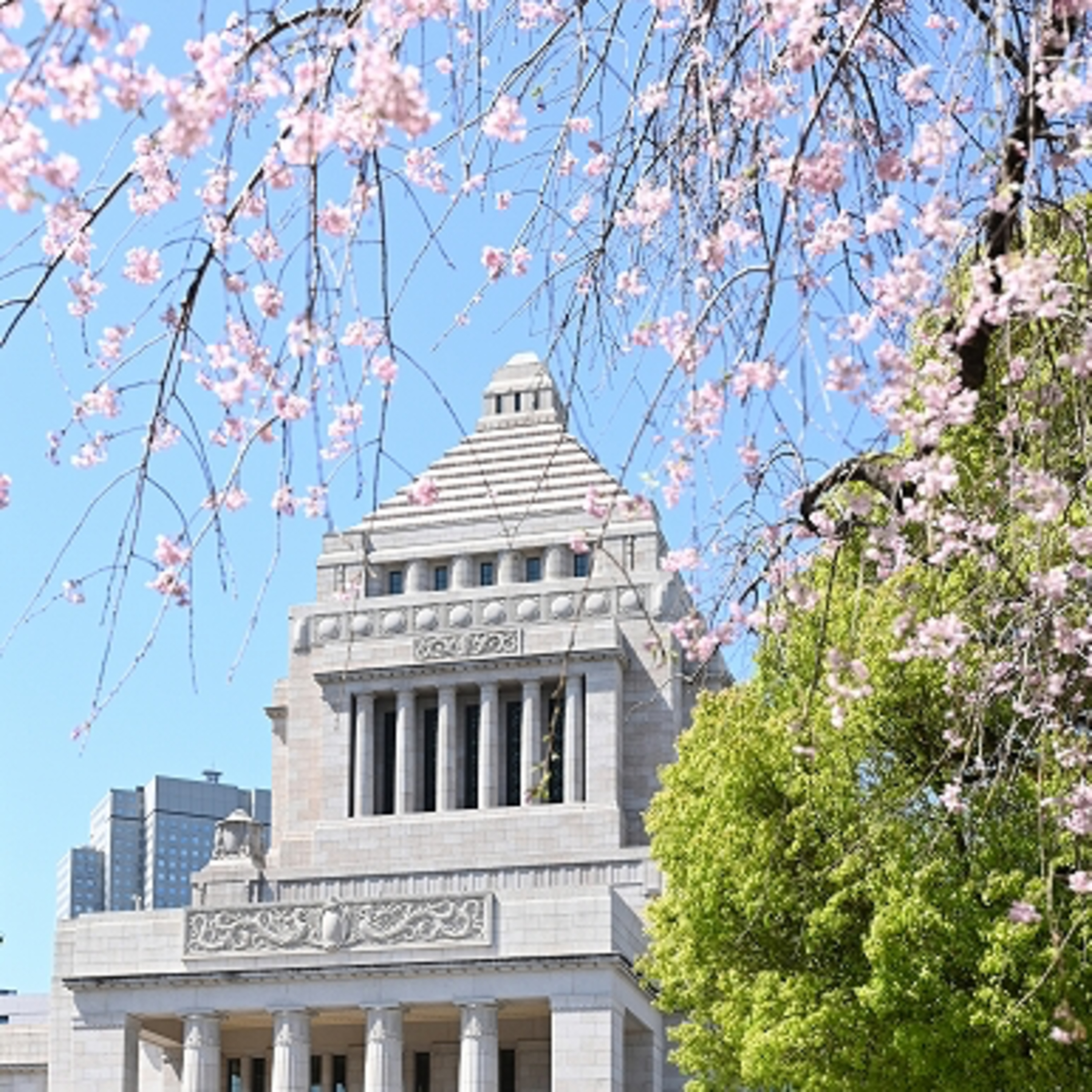
Regime Change: 2009 Japanese general election
from Democratic Party Channel (DPC) Hosted by Yu-ai Research Center
The 45th House of Representatives general election, held on August 30, 2009, marked a historic turning point in Japanese politics by ending the Liberal Democratic Party’s (LDP) nearly 54-year dominance that had continued since 1955. In this election, the Democratic Party of Japan (DPJ), led by Yukio Hatoyama, achieved a landslide victory by securing 308 seats in the 480-seat chamber, while the LDP, led by Prime Minister Taro Aso, suffered a devastating defeat, dropping from 300 seats to just 119. This outcome resulted in the first change of government through a general election under the current constitution and demonstrated that a transition of power between two major parties was possible in Japan. The political environment leading up to the election was defined by public dissatisfaction with the LDP following the rapid succession and “tossing away” of power by the administrations of Shinzo Abe and Yasuo Fukuda. These issues, combined with a “twisted Diet” where the opposition controlled the House of Councillors and economic anxiety following the global financial crisis, significantly eroded support for the LDP-Komeito coalition. The DPJ campaigned on the slogan “People’s lives first” and promised to break the power of the bureaucracy and eliminate wasteful spending, contrasting their manifesto with the LDP’s platform, which was criticized for lacking clear fiscal planning. The LDP attempted a “negative campaign” focused on criticizing the DPJ’s policies, but this was widely perceived by voters and the media as excessive and ineffective. Election day saw a record-high voter turnout of 69.28% for the single-seat constituency portion since the current electoral system was introduced, with a record 13.98 million people participating in early voting. The DPJ’s success was partly driven by the “Ozawa Children,” a group of new candidates recruited by then-Deputy President Ichiro Ozawa who successfully unseated many LDP veterans in single-seat districts. Numerous high-profile LDP figures, including former Prime Minister Toshiki Kaifu and various active cabinet members, lost their seats in the landslide. Meanwhile, the Komeito party also suffered its worst defeat since the introduction of the current system, with all its candidates in single-seat constituencies, including party leader Akihiro Ota, losing their races. Following the election, the DPJ moved quickly to form a coalition government with the Social Democratic Party (SDP) and the People’s New Party (PNP). Yukio Hatoyama was officially named Prime Minister on September 16, 2009, succeeding Taro Aso, who resigned as LDP president to take responsibility for the defeat. This transition of power drew intense international interest, as evidenced by a packed audience of foreign journalists and diplomats who viewed the birth of the Hatoyama administration as a sign of a new political era for Japan. While some critics noted that media coverage of policy debates was somewhat overshadowed by high-profile celebrity drug scandals during the campaign period, the election’s outcome solidified a clear public mandate for political change.
Embed this episode
No transcript yet.