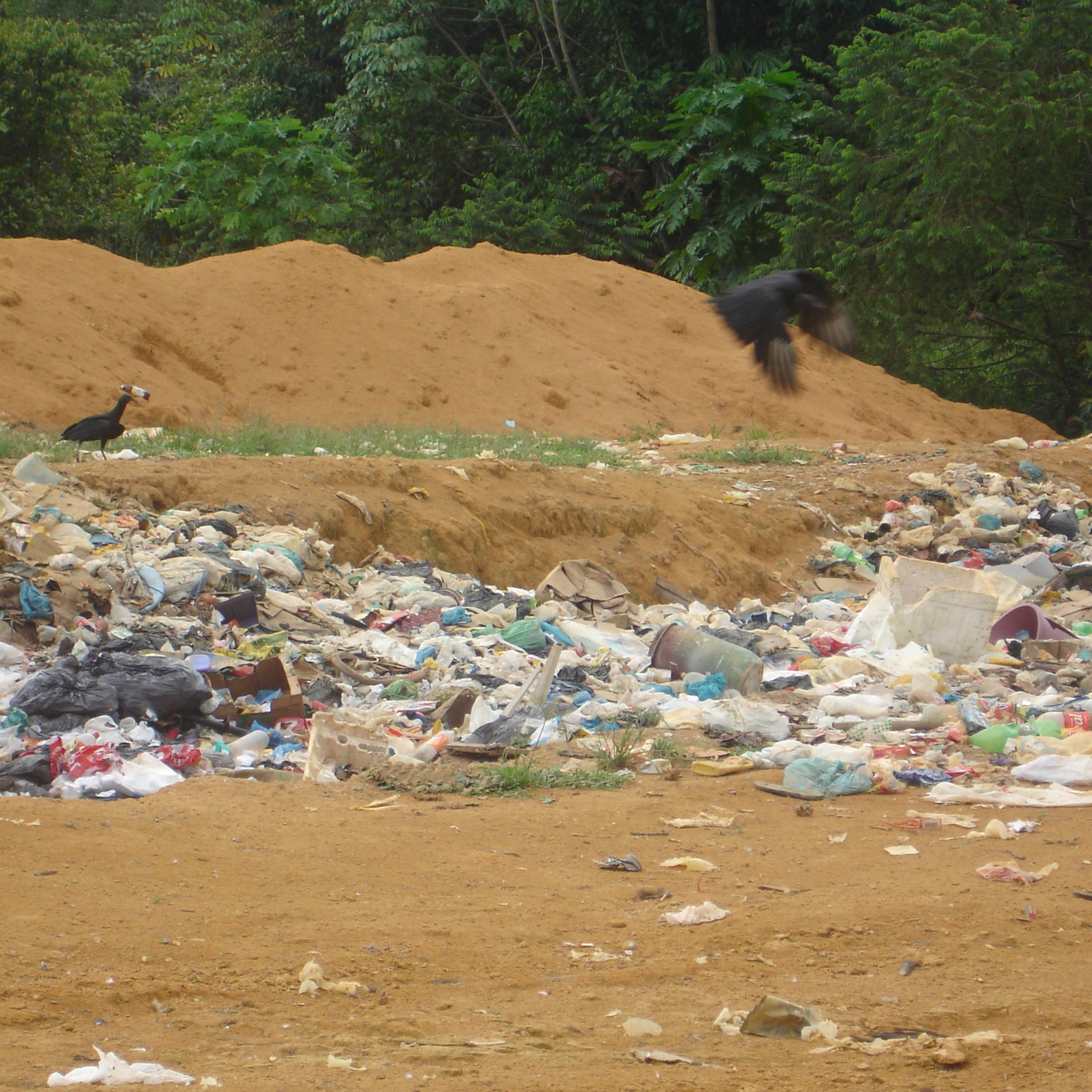
Rejeito, resíduo e lixo.
from Podcasts de Ecologia/Composições musicais/NaturezaEcology Podcasts/Musical Compositions/Nature Hosted by multimidiavillage
Lixo, resíduo e rejeito são palavras normalmente usadas como sinônimos. Porém existem diferenças entre elas. Saber diferenciar três simples palavras pode mudar a visão que do seu dia a dia sobre sustentabilidade ambiental. Você pode estar jogando dinheiro fora se não souber a diferença entre lixo, resíduo e rejeito. No mercado, há fornecedores e compradores dos mais diversos tipos de materiais nos dias de hoje, e aquele seu co-produto, pode ser muito valioso para outra organização. A palavra lixo vem do latim lix que significa “cinza”. De acordo com o dicionário, lixo significa tudo aquilo que não se quer mais e se joga fora, sendo consideradas coisas inúteis, velhas e sem valor. A Associação Brasileira de Normas Técnicas (ABNT) define o lixo como os restos das atividades humanas, considerados pelos geradores como inúteis, indesejáveis ou descartáveis, podendo se apresentar no estado sólido e líquido, desde que não seja passível de tratamento. O termo lixo no âmbito técnico não é utilizado e com todo conhecimento e tecnologia disponíveis hoje, grande parte do que é gerada em processos produtivos e afins pode ser de alguma forma reaproveitada ou reciclada, sendo considerado como resíduo e, quando isso não é possível, considera-se como rejeito. A definição de lixo tem haver com tudo aquilo que não apresenta nenhuma serventia para quem o descarta. Por outro lado, o que não serve para você pode se tornar para o outro, matéria-prima de um novo produto ou processo, ou seja, resíduo sólido. Resíduo então é tudo aquilo que pode ser reutilizado e reciclado e, para isto, este material precisa ser separado por tipo, o que permite a sua destinação para outros fins. Podem ser encontrados nas formas sólida (resíduos sólidos), líquida (efluentes) e gasosa (gases e vapores). O rejeito é um tipo específico de resíduo, onde quando todas as possibilidades de reaproveitamento ou reciclagem já tiverem sido esgotadas e não houver solução final para o item ou parte dele e, portanto, as únicas destinações plausíveis são encaminhá-lo para um aterro sanitário licenciado ambientalmente ou incineração, que devem ser feitas de modo que não prejudique o meio ambiente. Um sistema de gestão ambiental nas empresas, com a adoção da norma internacional ISO 14001, foi projetada para ajudar na adequação de responsabilidades ambientais aos seus processos internos e dar continuidade ao crescimento das empresas, mantendo-as bem-sucedidas comercialmente. Garbage, residuum and waste are words commonly used interchangeably. However, there are differences between them. Knowing how to differentiate between three simple words can change your day-to-day view on environmental sustainability. You may be throwing money away if you don't know the difference between garbage, waste and waste. The Brazilian Association of Technical Standards (ABNT) defines garbage as the remains of human activities, considered by the generators as useless, undesirable or disposable, and can be presented in solid and liquid state, as long as it is not subject to treatment. The definition of garbage has to do with everything that does not serve any purpose for those who discard it. Waste is a specific type of waste, where when all possibilities for reuse or recycling have already been exhausted and there is no final solution for the item or part of it, and therefore, the only plausible destinations are to send it to a licensed landfill. An environmental management system in companies, with the adoption of the international standard ISO 14001, was designed to help in adapting environmental responsibilities to their internal processes and to continue the growth of companies, keeping them commercially successful. Fontes (textos) - créditos: https://www.vgresiduos.com.br/blog/blogdiferenca-entre-lixo-residuo-rejeito/ https://www.ecycle.com.br/residuo-e-rejeito/
Embed this episode
No transcript yet.