Reporter explains 'colossally dumb' reason Trump is uniquely 'terrible’
from Systemic Error Podcast Hosted by Paulo Santos
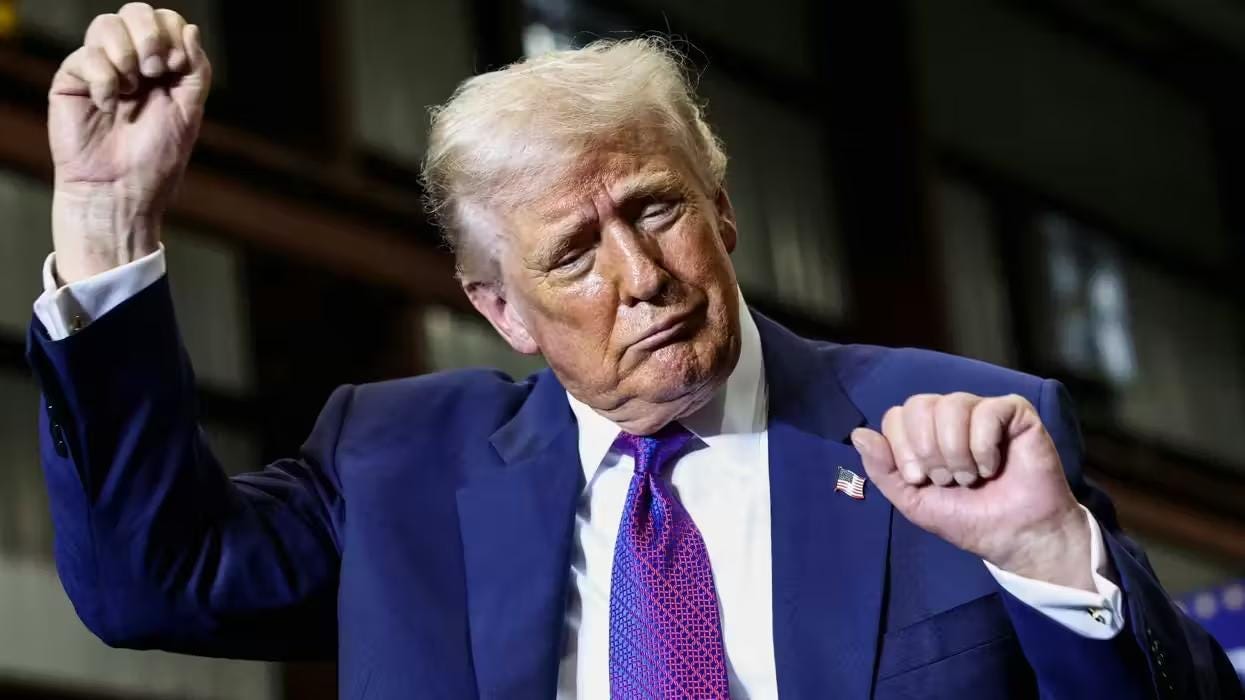
President Donald Trump gestures at the end of an event during a visit to Coosa Steel Corporation, in Rome, Georgia. REUTERS Kevin Lamarque Trump Didn’t Inherit This Damage. He Chose It. The Exception to the Rule Presidents routinely receive too much credit for prosperity and too much blame for hardship. That familiar caution does not absolve Donald Trump. The reporting describes tariffs, trade wars, and war with Iran contributing directly to higher costs after the United States had achieved a post-pandemic soft landing. In this case, presidential responsibility is not electoral folklore. It follows from decisions made by the president himself. Power Was the Instrument Trump holds the institutional power that matters here: the presidency, including its enormous authority over trade and foreign policy. The consequences cited in the reporting—more expensive fuel, air travel, and homeowner insurance—are tied not merely to conditions occurring during his tenure, but to unilateral moves attributed to him. Help fuel the work. Independent analysis doesn’t fund itself:☕ Buy us a coffee That distinction destroys the standard alibi. Trump was not a spectator trapped by an unruly economy. He used presidential power to disrupt it. Sabotage Disguised as Management Trump campaigned in 2024 on lowering prices. His administration then pursued policies that, according to the source, contributed directly to inflation. Tariffs raise the cost of imported goods and inputs. Trade wars spread those costs across supply chains. War destabilizes energy markets and multiplies uncertainty. None of this is mysterious. Calling the result “economic malpractice” is accurate but incomplete. Malpractice can imply bungling inside an otherwise legitimate project. Here, the political project itself relies on displays of domination—punitive trade barriers, confrontation abroad, executive action marketed as personal strength. The damage is not detached from the governing style. It is produced by it. The Inheritance He Could Not Leave Alone Former White House economist Aaron Sojourner’s indictment is especially sharp because it identifies the road not taken. The economy Trump inherited had emerged from the COVID-19 shock with what Sojourner described as a successful soft landing and international admiration. Trump could have claimed credit for trends already underway, as presidents habitually do. Instead, he intervened. The source’s “swerve toward the ditch” metaphor captures the agency involved: there was a stable course, concentrated power in the driver’s hands, and a deliberate turn. Whether the motive was ideology, vanity, or political theater is inference. The decision and its consequences are the material facts presented. The Misdirection Is Built In Economic coverage often hides power behind weather-report language: prices “rise,” markets “react,” consumers “feel pressure.” That grammar makes decisions disappear. It encourages the public to treat higher bills as an atmospheric event rather than the downstream result of tariffs, military escalation, and executive choices. The source article recognizes Trump’s unusual responsibility, but it weakens its own case by leaning on a reporter’s insults and astonishment. “Colossally dumb” may be emotionally satisfying; it is analytically smaller than the story. The central problem is not that Trump violated the expectations of competent technocracy. It is that immense institutional authority allowed one president’s chosen confrontations to become millions of other people’s unavoidable expenses. The Politics of Making Others Pay This episode reveals a larger pattern: authoritarian politics concentrates agency at the top while dispersing consequences downward. The leader announces strength. Households absorb the bill. Businesses pass on costs. Workers face instability. Then propaganda recasts the pain as proof that still more aggression is required. Trump’s responsibility matters because accountability becomes useless when political analysis treats every outcome as either fate or generalized dysfunction. Power is specific. Decisions have authors. When a president inherits economic stability and uses unilateral authority to make ordinary life more expensive, the systemic error is not public anger directed at the White House. It is a political culture trained to obscure who had the power to choose otherwise. Thanks to Alter Net Source: Reporter explains ‘colossally dumb’ reason Trump is uniquely ‘terrible’ Systemic Error is a reader-supported publication. To receive new posts and support my work, consider becoming a free or paid subscriber. We warned them.We told them.We shouted from the rooftops.We plead.We begged.They didn’t listen.Now, we all will suffer.Y’all know what to do, right?VOTE BLUE! 💙Vote as if your life — nay, our country — depend on it.Because, this time, and every time, it does. This is a public episode. If you would like to discuss this with other subscribers or get access to bonus episodes, visit paulstsmith.substack.com
Embed this episode
No transcript yet.