
EPISODE · Dec 2, 2024
Restoring the land through plugging and partnerships: tackling orphaned wells in Wyoming
from On the Ground · host Bureau of Land Management
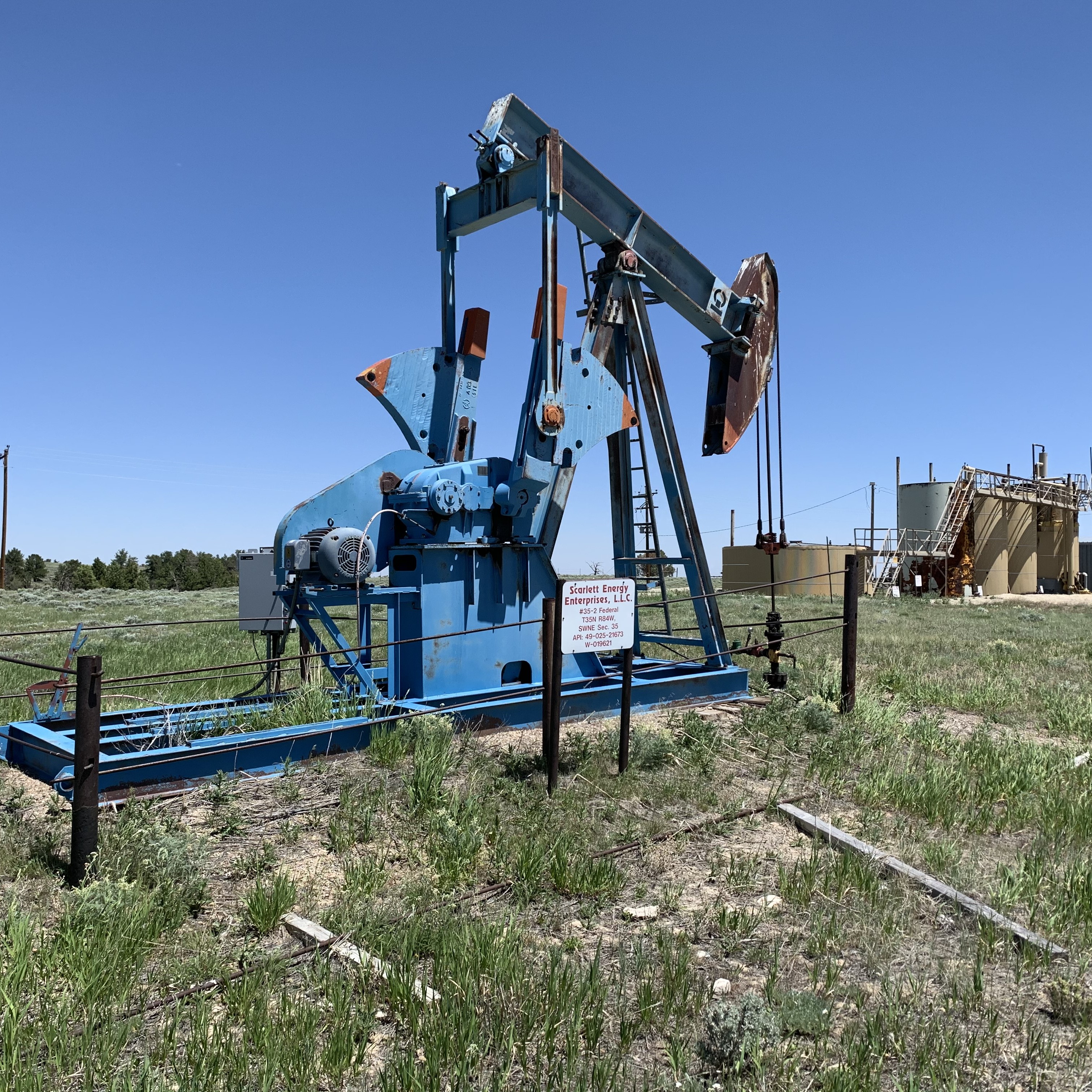
The BLM's onshore oil and gas program manages oil and natural gas extraction nationwide, bringing in billions of dollars to the U.S. Treasury from productive wells. But what happens if the wells we manage are no longer productive or maintained? This is the question that the Federal Orphaned Well Program is designed to answer. The program seeks to remediate orphaned wells on Federal Lands, as well as support efforts to do so from State and Tribal entities’ plugging programs.Orphaned wells are oil and gas wells that no longer have a responsible operator to plug and reclaim the surrounding land. When no responsible party exists, the BLM steps in to secure funding and resources to plug the wells, using funds from operators' bonds and legislative programs to contract and clean up abandoned project sites. In these cases, the BLM works with operators to ensure idle wells are either brought back into production or plugged before they become orphaned.Left unattended and unplugged, inactive oil and gas wells are environmental hazards that jeopardize public health and safety, as well as pose risks to wildlife. Emissions of noxious gases such as methane threaten to contaminate groundwater; unattended drill sites can lead to flooding and sinkholes. To prevent these dangers, the BLM works with contractors to identify, prioritize and plug orphaned wells.According to the U.S. Environmental Protection Agency, oil and gas well plugging is a multi-step process. Before the actual plugging can begin, specialists must inspect and prepare the site, removing any existing infrastructure and production tubing. Teams then pump strong plugging materials with low permeability, such as cement, deep into the inactive wells. The placement of underground plugs at the oil and gas production zones and water aquifers seals off emissions and prevents contamination. Assuming the plug passes necessary pressure tests, and no adjustments are needed, the well is then capped, and reclamation activities begin.Reclamation aims to restore the project site to match its surrounding environment, bringing it to a condition equal to or closely approximating that which existed before the land was disturbed. Through ecosystem restoration, including restoration of any natural vegetation, hydrology, and wildlife habitats affected by surface disturbances from construction and operating activities at an oil and gas site, the BLM can ensure that any effects of oil and gas development on the land and on other resources and uses are not permanent.Plugged and reclaimed orphan well sites have the potential to provide healthy wildlife habitat, recreation opportunities and more. The Orphaned Wells program underscores the importance of responsible land stewardship and the BLM's commitment to environmental restoration. The Department’s Orphaned Wells Program Office’s newly released Strategic Plan, Fiscal Years 2025-2030 communicates how we can serve the orphaned wells community and ensure success in transforming a legacy of environmental pollution into a legacy of environmental stewardship.
Embed this episode
What this episode covers
Orphaned wells are oil and gas wells that no longer have a responsible operator to plug and reclaim the surrounding land. When no responsible party exists, the BLM steps in to secure funding and resources to plug the wells, using funds from operators' bonds and legislative programs to contract and clean up abandoned project sites. In these cases, the BLM works with operators to ensure idle wells are either brought back into production or plugged before they become orphaned.
Ready to play
Restoring the land through plugging and partnerships: tackling orphaned wells in Wyoming
No transcript for this episode yet
Similar Episodes
No similar episodes found.
Similar Podcasts
No similar podcasts found.