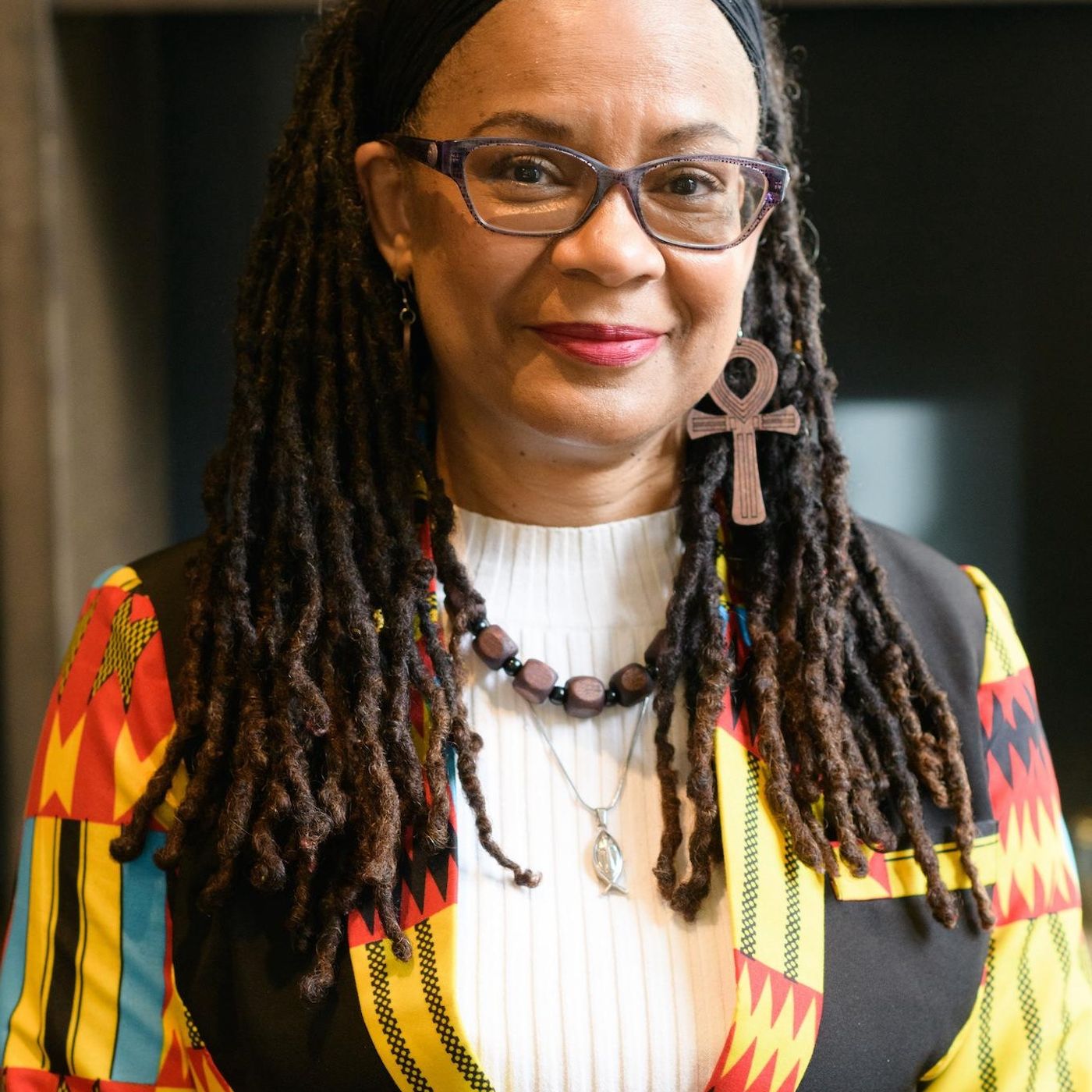
Rethinking Dehumanization:  Justice Is More Than Changing Laws—It Is Restoring Moral Vision episode artwork

EPISODE · Jul 1, 2026 · 57 MIN

Rethinking Dehumanization: Justice Is More Than Changing Laws—It Is Restoring Moral Vision

from The Transformation Network™ · host The Transformation Network™

FROM MEMORY TO VISION. In our last episode discussing Martyrs Day July 5, 2026, we remembered people whose lives were taken because someone decided they were worth less than others. We remembered Black martyrs. Indigenous martyrs. White allies. Men. Women. Children. But remembrance raises another question: How does a society arrive at the point where some human beings no longer appear fully human? If we only remember what happened without asking why it happened, history remains a collection of tragedies instead of becoming a teacher. That brings us to today's conversation. What kind of worldview must exist for one human being to stop seeing another a fully human?WHAT IS DEHUMANIZATION?Why do martyrs exist at all? What kind of worldview creates martyrs? What happens inside individuals and societies when they lose the capacity to recognize the humanity of others? What if history’s greatest tragedy wasn’t simply that people were treated as less than human…What if the deeper tragedy was that entire societies lost the ability to recognize the humanity that was always there?HISTORICAL CONTEXT. Dehumanization has historically facilitated various harms, including racism, discrimination, slavery, and even genocide. It serves to legitimize violence and exploitation by reducing moral restraint and reinforcing social hierarchies. https://www.populismstudies.org/Vocabulary/dehumanization. But this understanding feels incomplete...WORLDVIEW CREATES WORLDS. Progression: Worldview > Perception > Narrative > Policy > Practice > History. Behavior doesn't necessarily begin with behavior; it begins with worldview. AUDIENCE REFLECTION ETHOS. Perhaps the greatest tragedy of human history is not that some people were treated as though they were less than human. It is that entire societies learned to look directly at fully human people—and no longer see them.What stories have shaped the way you see people who are different from you?Where have you witnessed imagination being used to divide rather than unite?How might your own worldview influence the way you perceive another person’s humanity or dignity?

FROM MEMORY TO VISION. In our last episode discussing Martyrs Day July 5, 2026, we remembered people whose lives were taken because someone decided they were worth less than others. We remembered Black martyrs. Indigenous martyrs. White allies. Men. Women. Children. But remembrance raises another question: How does a society arrive at the point where some human beings no longer appear fully human? If we only remember what happened without asking why it happened, history remains a collection of tragedies instead of becoming a teacher. That brings us to today's conversation. What kind of worldview must exist for one human being to stop seeing another a fully human?WHAT IS DEHUMANIZATION?Why do martyrs exist at all? What kind of worldview creates martyrs? What happens inside individuals and societies when they lose the capacity to recognize the humanity of others? What if history’s greatest tragedy wasn’t simply that people were treated as less than human…What if the deeper tragedy was that entire societies lost the ability to recognize the humanity that was always there?HISTORICAL CONTEXT. Dehumanization has historically facilitated various harms, including racism, discrimination, slavery, and even genocide. It serves to legitimize violence and exploitation by reducing moral restraint and reinforcing social hierarchies. https://www.populismstudies.org/Vocabulary/dehumanization. But this understanding feels incomplete...WORLDVIEW CREATES WORLDS. Progression: Worldview > Perception > Narrative > Policy > Practice > History. Behavior doesn't necessarily begin with behavior; it begins with worldview. AUDIENCE REFLECTION ETHOS. Perhaps the greatest tragedy of human history is not that some people were treated as though they were less than human. It is that entire societies learned to look directly at fully human people—and no longer see them.What stories have shaped the way you see people who are different from you?Where have you witnessed imagination being used to divide rather than unite?How might your own worldview influence the way you perceive another person’s humanity or dignity?

NOW PLAYING

Rethinking Dehumanization: Justice Is More Than Changing Laws—It Is Restoring Moral Vision

0:00 57:21

No transcript for this episode yet

We transcribe on demand. Request one and we'll notify you when it's ready — usually under 10 minutes.

No similar episodes found.

No similar podcasts found.

Frequently Asked Questions

How long is this episode of The Transformation Network™?

This episode is 57 minutes long.

When was this The Transformation Network™ episode published?

This episode was published on July 1, 2026.

What is this episode about?

FROM MEMORY TO VISION. In our last episode discussing Martyrs Day July 5, 2026, we remembered people whose lives were taken because someone decided they were worth less than others. We remembered Black martyrs. Indigenous martyrs. White allies. Men....

Can I download this The Transformation Network™ episode?

Yes, you can download this episode by clicking the download button on the episode player, or subscribe to the podcast in your preferred podcast app for automatic downloads.
URL copied to clipboard!