
EPISODE · May 17, 2025 · 10 MIN
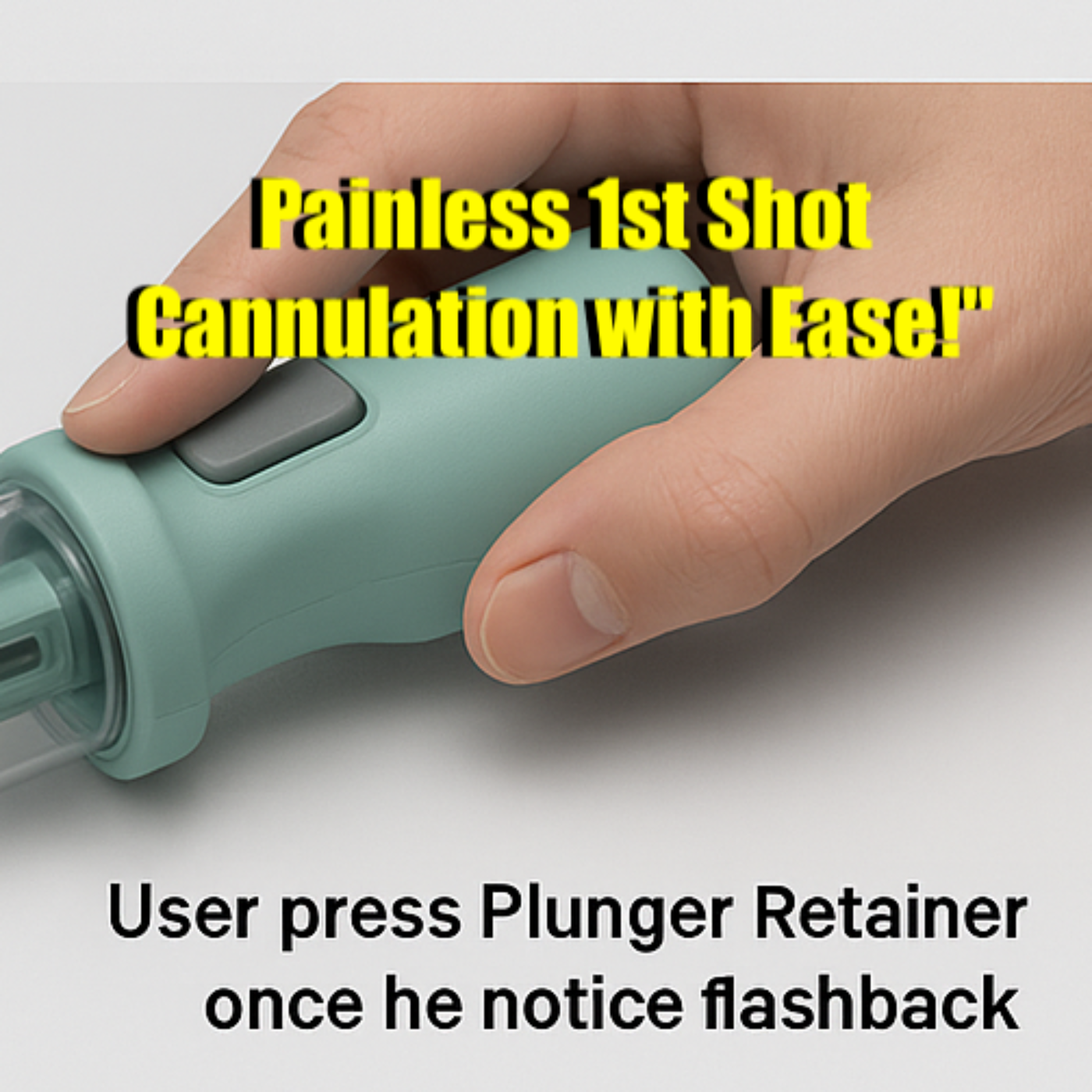
Revolutionizing Painless Precision with our One-Shot Wonder Peripheral Intravenous Cannula!
from The Dr Maya Way
Intravenous and Arterial Cannulation: Time to Rethink Safety and First-Attempt SuccessWhat is a Cannula?A cannula (from the Latin “little reed”) is a small, flexible tube inserted into the body, most commonly into veins or arteries. It is used to:Deliver fluids, medications, blood, or nutrition (IV therapy)Remove fluids or draw blood for investigationsContinuously monitor blood gases and pH in critically ill patientsVenous and arterial cannulation are among modern healthcare's most frequently performed invasive procedures, spanning emergency rooms, operating theatres, ICUs, and general wards.Training methods vary across institutions:Traditional “see one, do one, teach one” approachMannequin simulations or peer practiceShort workshops to multi-week coursesOnline modules paired with supervised practiceUnfortunately, even with training, the failure rate remains high, especially in patients with poor veins (elderly, dehydrated, or critically ill).The Present-Day Problem: A Crisis Hidden in Plain SightDespite widespread use of so-called "safety cannulas", we are still struggling with:The Safety IV Cannula was introduced to protect healthcare workers from accidental needle-stick injuries. However, it did not address the actual insertion process. The design still depends on the operator’s skill to guide the cannula over the needle into the vein—a technique unchanged in nearly 70 years.A safety feature that activates after cannulation is not a safety solution for the patient. In fact, the trauma caused by failed attempts, especially in emergencies or resource-limited settings, is both dangerous and unethical.In a pilot study, the inventor of VenaiCan asked nurses to explain “drying time” after skin antiseptic application. None were aware of it. This oversight likely contributes to the transfer of microorganisms into the bloodstream, leading to sepsis.Antiseptics like chlorhexidine are bacteriostatic, not bactericidal. Unless the skin is dehydrated, they cannot offer optimal protection. When combined with failed cannulation attempts, this becomes a recipe for disaster.A Missed Opportunity for "First Do No Harm"The Hippocratic oath demands we "Do No Harm." But current practice allows harm through:Painful, repeated needle insertionsBypass of infection control protocolsFalse safety reassurance with incomplete solutionsThe inventor of VenaiCan published an article titled “How Safe is the Safety Cannula?” in Arab Health World, arguing that current designs protect the operator, not the patient.ConclusionWe have made significant strides in material science, nurse training, and sharps safety, but not in insertion success. Every failed cannulation is a missed opportunity to prevent harm, sepsis, and suffering.VenaiCan offers a real solution to the problem we've ignored for decades. It’s time for regulators, healthcare systems, and manufacturers to embrace innovation that prioritises patient safety over operator protection.
Embed this episode
Ready to play
Revolutionizing Painless Precision with our One-Shot Wonder Peripheral Intravenous Cannula!
No transcript for this episode yet
Similar Episodes
No similar episodes found.
Similar Podcasts
No similar podcasts found.