
EPISODE · Jun 5, 2026 · 1H 10M
Rewriting Relationship Patterns using Neuroscience with Mila Valam
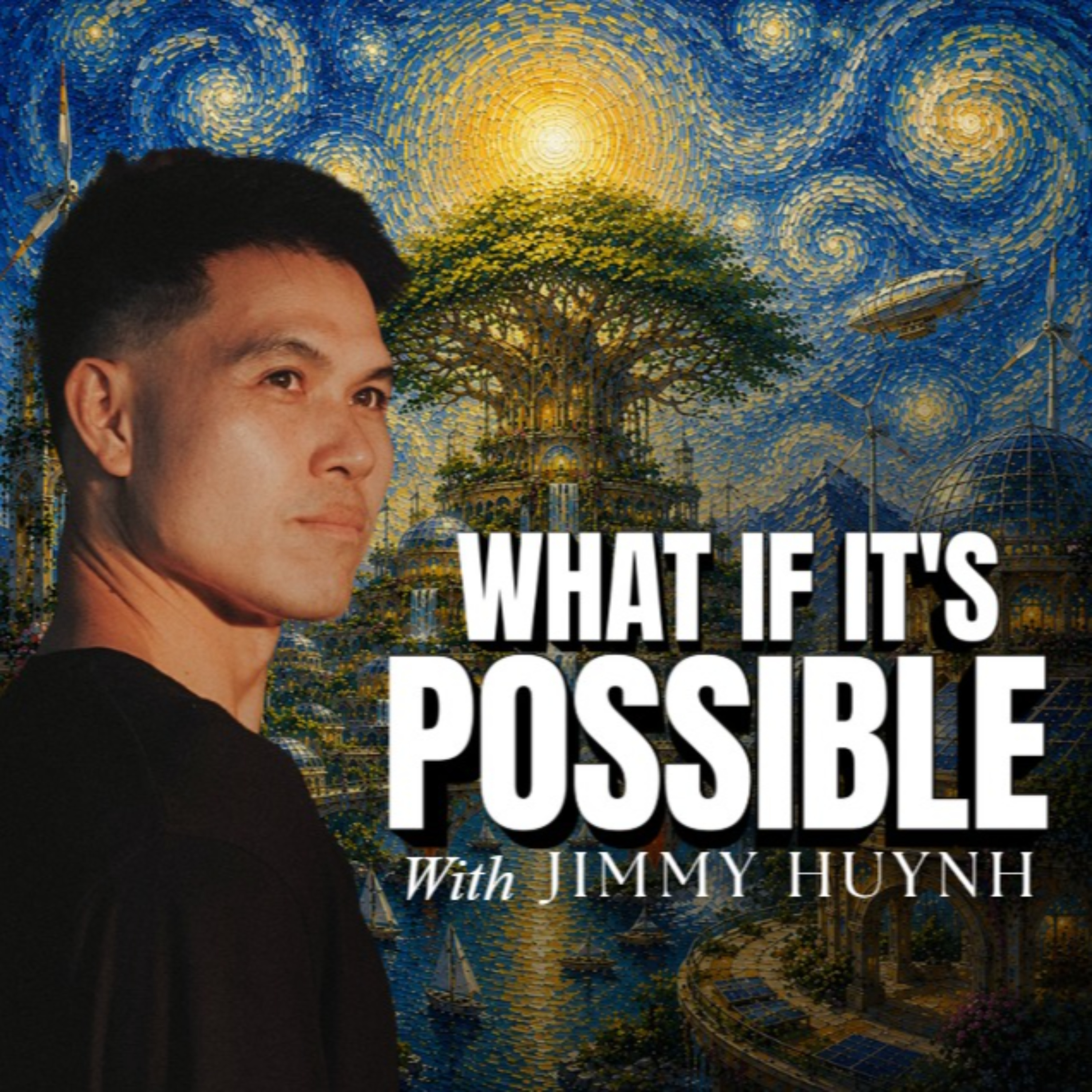
from What If It's Possible · host Jimmy Huynh
Are you stuck attracting the exact same toxic relationship partners over and over again? In this episode, host Jimmy Huynh sits down with neuroscientist Mila Valam to anchor around one central question: Why do your relationships shape who you become? Mila holds a Master’s degree in Neuroscience and Behavior from PUC Brazil and has made the rare leap from academic neuroscience into real-world application, helping people rewire their brains after breakups and divorces.This conversation is for anyone trying to shatter repetitive behavioral loops, recover from a painful separation, or understand how the brain acts as a fundamentally social organ. It matters because your brain's primary evolutionary goal is baseline survival—not happiness—and until you learn how to actively reshape your neural pathways through connection, you will remain trapped by your own biological biases.MAIN TOPICS COVERED Neuroscience in the Real World: Transitioning from academia to help individuals navigate the biological fallout of heartbreak. The Mechanics of Neuroplasticity: How the physical brain adapts and rewires its pathways based on new experiences at any age. The Brain as a Social Organ: Shifting away from the "solo machine" myth to realize how every relationship shapes our biology. The Algorithmic Trap: How the mind acts like social media, filtering reality to hunt strictly for evidence that proves your assumptions right. Pacing vs. Toxic Patterns: Pacing new connections for 3 to 6 months to collect clean data rather than falling into unhealed familiarity traps.KEY TAKEAWAYS Passive Knowledge is Insufficient: Simply reading self-help isn't enough to change; you must actively build new physical neural pathways. Wounds Heal in Connection: Relational wounds cannot be fully resolved in isolation; true recovery requires safe interpersonal social mirrors. Permit Yourself to Be Disappointed: Breaking through a blind spot requires the bravery to face objective reality and accept the temporary pain of disappointment.CONNECT WITH THE GUEST Instagram: @milavalamm TikTok: @milavalammCONNECT WITH THE HOST Instagram: @jimmagination_ Spotify: The Fulfilled Journey YouTube: The Fulfilled JourneyIf this conversation opened something up inside you, please follow, like, and share What If It's Possible. Your support directly helps us shatter hidden patterns, challenge lifelong assumptions, and build a more connected future!
Embed this episode
NOW PLAYING
Rewriting Relationship Patterns using Neuroscience with Mila Valam
No transcript for this episode yet
Similar Episodes
No similar episodes found.
Similar Podcasts
No similar podcasts found.