
EPISODE · Oct 7, 2025 · 6 MIN
Rigid Box : Styles and Types of Rigid Box
from Why is custom box packaging essential for modern brands? · host eric wesely
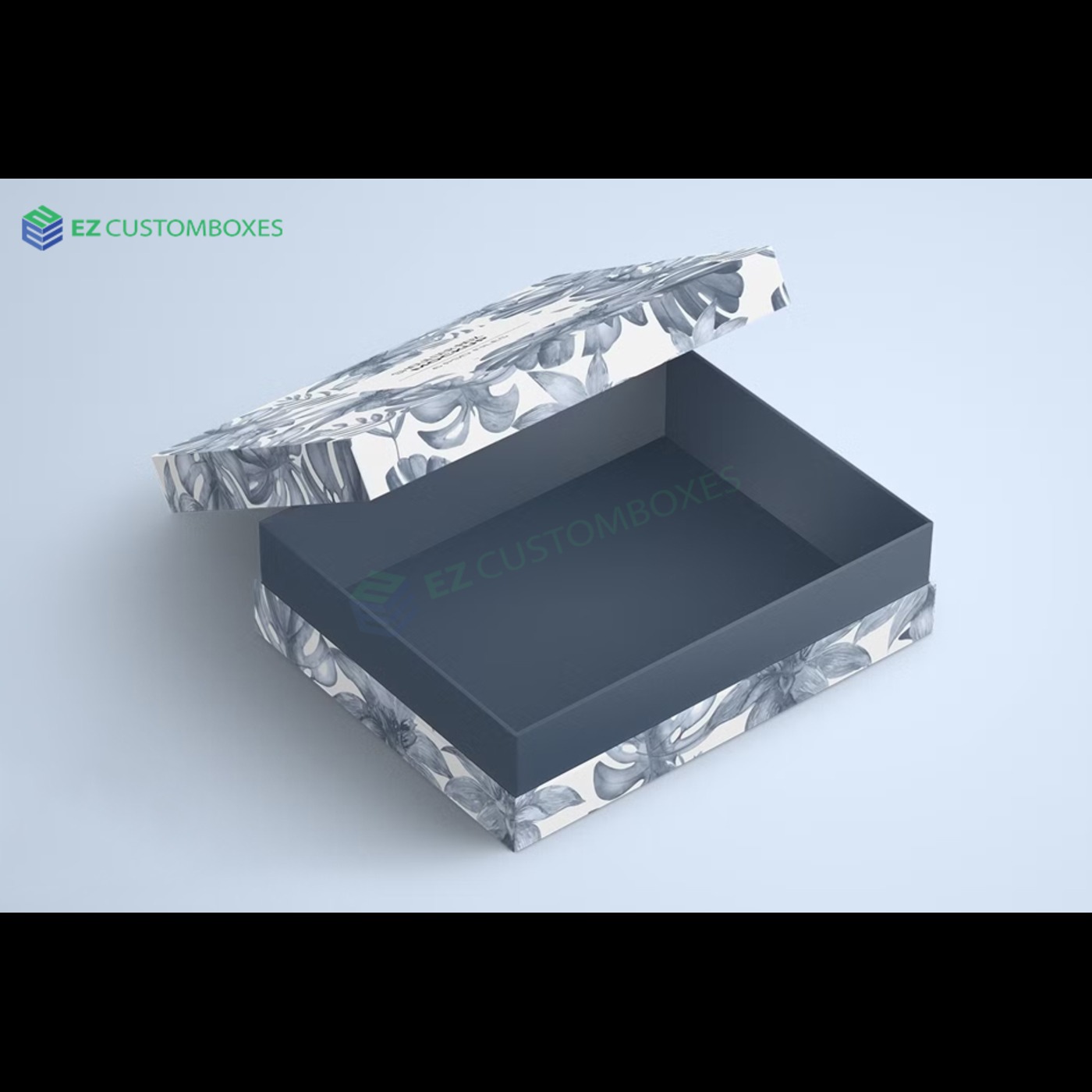
A rigid boxes is a premium packaging form distinguished by its non‑collapsible, strong structure. Unlike folding cartons, a rigid box is made with thick, stiff board (such as chipboard or greyboard), wrapped or laminated, and delivered in assembled form. The structure is fixed: the box holds its shape even when empty. 16 Wishes Candles rigid boxes16 Wishes Candle boxes designed to reflect the brand’s elegance. Each box features sturdy construction, high‑quality finishes, and a snug fit to protect the candle inside. The 16 Wishes Candle Boxes combine style and functionality, making them ideal for gifting and display.Core Materials and ConstructionBoard / Base Material· Primary structural material is greyboard or chipboard. Thickness is typically between 1.2 mm to 3 mm (sometimes thicker).· Double-sided greyboard provides smooth finish both inside and outside, making wrapping or covering easier. Wrapping / Covering Surface· Decorative or specialty papers: printed art paper, textured paper, metallic, cloth or fabric, leatherette, coated paper. · Finishes: matte or gloss lamination, soft‑touch coatings, embossing / debossing, foil stamping, spot UV. Internal Additions· Inserts (EVA foam, molded trays, velvet or satin lining) to protect contents from movement or shock. Closures and hardware: magnetic closures, hinged lids, drawer or sliding styles. Styles and Types of Rigid Box· Lid & Base Box (Two‑Piece Box): Traditional form, separate lid and base; common for gift packaging, jewelry. · Magnetic Closure Box: Elegant opening, secure closure via hidden magnets.· Drawer / Slide / Matchbox Style: Inner tray slides from outer sleeve. Offers interactive unboxing. · Hinged / Book‑Style Box: Lid hinged to base like a book; ideal for collector’s editions or high‑end gift sets. · Collapsible Rigid Boxes: Same strength but designed to flatten for storage/shipping; good when logistics or space are limited.Manufacturing ProcessDesign & Prototyping· First phase: define product size, weight, shape; determine branding goals and customer experience (how it opens, looks, tactile feel). · Prototype or mock‑ups help validate structure, aesthetics, fit. Material Selection· Choose thickness of board, type of wrapping paper, finish, internal padding, closure mechanism. Higher GSM (grams per square meter) board gives more rigidity. · Consider sustainable / recycled materials; certified sources like FSC. Cutting, Wrapping, Assembly· Board is die‑cut or routed to shape. Edges are scored, corners formed. · Wrapping papers are glued to the board, carefully aligned; special machines or manual work ensure even glueing and tight, clean edges. · Inserts & closures are added; final finishing touches (embossing, foil, lamination). Quality Control and Packaging· Inspect dimensions, structural integrity, cosmetic finish. Sharp edges and consistent wrapping matter.· Box should protect product during shipping; durability tests sometimes applied. Advantages of Rigid BoxPremium Appearance & Brand Perception· A rigid box feels substantial and high quality; its premium look enhances perceived value of the product. · Custom finishes and tactile elements (embossing, foil, magnetic closure) contribute to prestige. Protection and Durability· Thick board and strong build protect against crushing, moisture, impact during transport and handling. · Internal cushioning or inserts reduce internal movement of product, minimizing damage. Enhanced Customer Experience· Unboxing becomes a memorable moment; presentation matters especially for luxury goods. · Use of rigid box packaging can encourage social sharing, word of mouth, contributing to brand awareness. Reusability & Sustainability (if well‑designed)· Many rigid boxes are kept by customers for storage or display due to their quality; this extends the life of packaging. · Use of recyclable, certified materials reduces environmental impact. Some packaging suppliers offer eco‑friendly wraps, recycled boards. Display & Retail Appeal· On shelves or in retail, rigid boxes stand out more than flimsy packaging. Appearance and structure draw attention. · For gift items, cosmetics, electronics, presentation is part of product value. Limitations / ChallengesCost· Rigid box packaging costs significantly more than folding cartons or simple paperboard boxes—higher material cost, labor, finishing.· More elaborate finishes and custom inserts further increase cost. Manufacturing Time and Complexity· Production lead times are longer due to additional steps: prototyping, wrapping, finishing. More precise machinery or skilled labor needed to avoid defects. Logistics and Shipping· Because rigid boxes cannot collapse, they occupy more storage space; shipping these boxes (empty) costs more in terms of volume.· Heavier weight may lead to higher freight costs.Recycling / Sustainability Concerns· Mixed materials (e.g., board + foil + plastic coatings) can complicate recycling. If finishes are not easily separable, end‑of‑life disposal becomes more difficult. Use Cases & Industries· Luxury Goods / Jewelry: Watches, rings, high‑end accessories packaged in rigid box to convey value and protect contents. · Cosmetics & Fragrances: High‑profile beauty brands use rigid boxes to enhance presentation; gift sets, palettes, perfumes. · Electronics: Smartphones, headphones, tech gadgets—packaged to guard against damage and to provide premium feel. · Food & Confectionery: Chocolates, sweet boxes, high‑end food gifts where look, freshness, and protection matter. · Collectors’ & Special Edition Packaging: Books, subscriptions, limited editions where packaging adds to value. Design Considerations for Choosing a Rigid Box· Size & Fit: The box must fit the product snugly; loose space may need inserts or padding.· Style vs Function: Decide what opening style (magnetic, drawer, lid‑base) suits the user experience.· Finish Type: Matte, gloss, soft‑touch, foil, embossing etc., depending on brand image.· Material Quality: Use high‑GSM board for strength; select wrapping paper that resists tearing or fading.· Sustainability: Choose recyclable / FSC certified board; keep finishing materials recyclable or removable.· Cost vs Value Trade‑off: Understand how much added cost leads to perceived value increases; make sure ROI supports the investment.Market Trends and Technological Advances· Increased demand for eco‑friendly rigid box solutions; less plastic, more recycled board, biodegradable coatings. · Automation and precision machinery: machines that cut, wrap, glue, and finish with less manual labour, reducing errors and improving consistency. Innovations in collapsing rigid designs that combine rigidity with space efficiency.· Customization in finishes, unique textures, sensory elements (soft touch, fabrics). Cost vs Return: Is Rigid Box Worth It?To decide if a rigid box is worthwhile, brands should evaluate:1. Product Price Point: Higher‑priced items benefit more because customers expect premium packaging, and packaging becomes part of perceived value.2. Brand Positioning: If brand aims for luxury, prestige, gift‑ability, or premium unboxing, the rigid box aligns with that image.3. Volume of Sales: For small runs, cost per unit is high; large runs lower cost per unit.4. Customer Expectations & Competition: If competitors are using premium packaging, rigid box helps match or outdo them.5. Marketing Benefit: Enhanced unboxing, social media visibility, customer loyalty. These intangible returns can offset higher cost.How Many Cigarettes in a Pack rigid boxThe How Many Cigarettes in a Pack offers a durable and stylish way to present and protect cigarette packs. Designed for clarity and appeal, it ensures safe storage and easy access. The How Many Cigarettes in a Pack box enhances presentation while maintaining structural integrity and premium feel.SummaryA rigid packaging offers robust structure, premium feel, and elevated presentation. It is constructed with strong core materials wrapped with decorative or specialty finishes, possibly enhanced with inserts, magnetic closures, or drawer styles. While cost and logistics are higher compared to simpler packaging, the benefits in protection, brand perception, customer loyalty, and marketing impact often justify the investment. For any brand looking to elevate its packaging, a rigid box remains one of the most effective options.
Embed this episode
What this episode covers
The rigid boxes is a premium packaging form distinguished by its non‑collapsible, strong structure. Unlike folding cartons, a rigid box is made with thick, stiff board (such as chipboard or greyboard), wrapped or laminated, and delivered in assembled form. The structure is fixed: the packaging
Ready to play
Rigid Box : Styles and Types of Rigid Box
No transcript for this episode yet
Similar Episodes
No similar episodes found.
Similar Podcasts
No similar podcasts found.