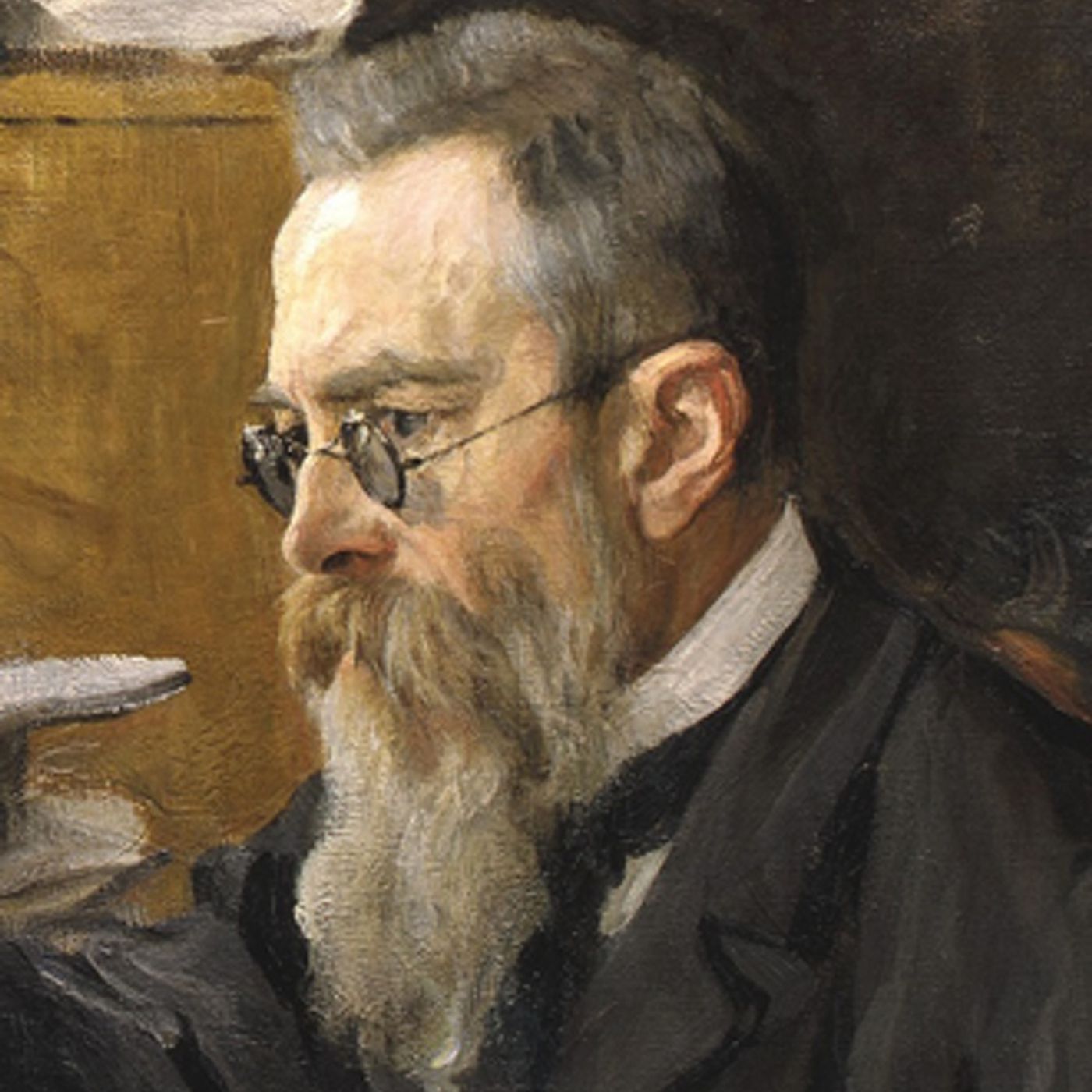
Rimsky-Korsakov Scheherazade, Op. 35 episode artwork

EPISODE · Dec 26, 2021 · 12 MIN

Rimsky-Korsakov Scheherazade, Op. 35

from The #1 Musical Experience

Rimsky-Korsakov Scheherazade, Op. 35Scheherezade (Op. 35) is a symphonic suite written by Rimsky-Korsakov in 1888. Based on One Thousand and One Nights, this work combinates two features typical of both Russian music and Rimksy-Korsakov: a colorful, powerful orchestration and an interest in eastern themes. It is considered to be his most popular work, and it was later used as the basis of a ballet by Michel Fokine. Though the composer intended to name the movements as Prelude, Ballade, Adagio and Finale he ended setting for programatic titles, albeit vague ones, so that no connection could be made to specific tales. In later aditions he did away with the titles, though they remain in common use. The work is scored for 2 flutes, picollo, two oboes (2nd doubling cor anglais), 2 clarinets, 2 bassoons, 4 horns in F, 2 trumpets in A and B-flat, 3 trombones, tuba, timpani, bass drum, snare drum, cymbals, triangle, tambourine, tam-tam, harp and strings. The reasons for its popularity are clear: it is a score replete with beguiling orchestral colors, fresh and piquant melodies, with a mild oriental flavor, a rhythmic vitality largely absent from many major orchestral works of the later 19th century, and a directness of expression unhampered by quasi-symphonic complexities of texture and structure. Hosted on Acast. See acast.com/privacy for more information.

Rimsky-Korsakov Scheherazade, Op. 35Scheherezade (Op. 35) is a symphonic suite written by Rimsky-Korsakov in 1888. Based on One Thousand and One Nights, this work combinates two features typical of both Russian music and Rimksy-Korsakov: a colorful, powerful orchestration and an interest in eastern themes. It is considered to be his most popular work, and it was later used as the basis of a ballet by Michel Fokine. Though the composer intended to name the movements as Prelude, Ballade, Adagio and Finale he ended setting for programatic titles, albeit vague ones, so that no connection could be made to specific tales. In later aditions he did away with the titles, though they remain in common use. The work is scored for 2 flutes, picollo, two oboes (2nd doubling cor anglais), 2 clarinets, 2 bassoons, 4 horns in F, 2 trumpets in A and B-flat, 3 trombones, tuba, timpani, bass drum, snare drum, cymbals, triangle, tambourine, tam-tam, harp and strings. The reasons for its popularity are clear: it is a score replete with beguiling orchestral colors, fresh and piquant melodies, with a mild oriental flavor, a rhythmic vitality largely absent from many major orchestral works of the later 19th century, and a directness of expression unhampered by quasi-symphonic complexities of texture and structure. Hosted on Acast. See acast.com/privacy for more information.

NOW PLAYING

Rimsky-Korsakov Scheherazade, Op. 35

0:00 12:01

No transcript for this episode yet

We transcribe on demand. Request one and we'll notify you when it's ready — usually under 10 minutes.

Frequently Asked Questions

How long is this episode of The #1 Musical Experience?

This episode is 12 minutes long.

When was this The #1 Musical Experience episode published?

This episode was published on December 26, 2021.

What is this episode about?

Rimsky-Korsakov Scheherazade, Op. 35Scheherezade (Op. 35) is a symphonic suite written by Rimsky-Korsakov in 1888. Based on One Thousand and One Nights, this work combinates two features typical of both Russian music and Rimksy-Korsakov: a colorful,...

Can I download this The #1 Musical Experience episode?

Yes, you can download this episode by clicking the download button on the episode player, or subscribe to the podcast in your preferred podcast app for automatic downloads.
URL copied to clipboard!