Risk episode artwork

EPISODE · Nov 16, 2024 · 20 MIN

Risk

from High Theory · host High Theory

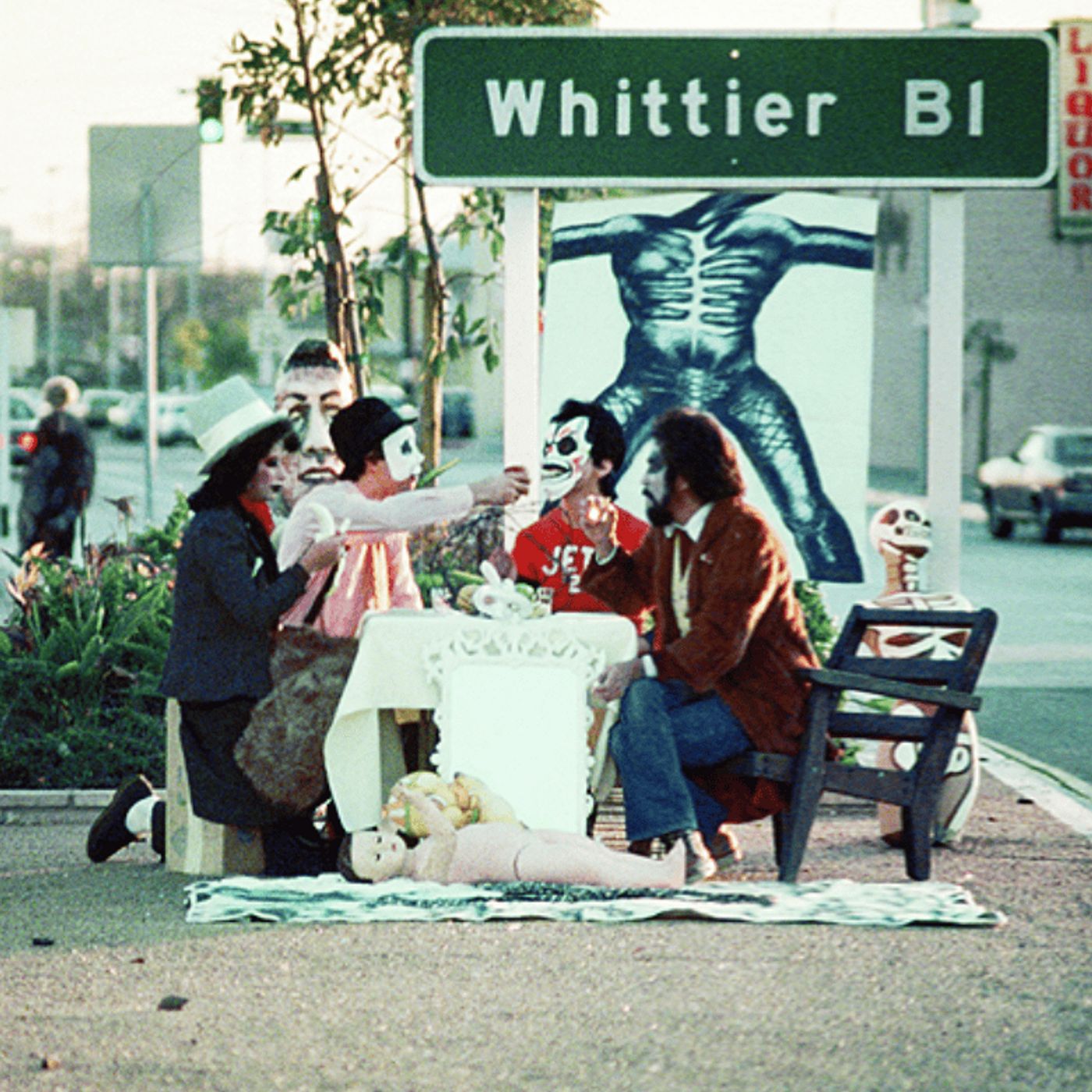
In this episode of High Theory, Faye Raquel Gleisser tells us about Risk. A calculable danger in economics, athletics, sociology, or healthcare, risk has become a socially constructed danger that changes who we are and how we move through the world. Faye asks us to think about how risk management and risk literacy shaped the conceptual and performance work of American artists in the late twentieth century. Who is at risk? Who is safe? And how do we know? Faye’s book, Risk Work: Making Art and Guerrilla Tactics in Punitive America, 1967–1987 (U Chicago Press, 2023) studies how artists in the US starting in the 1960s came to use guerrilla tactics in performance and conceptual art, maneuvering policing, racism, and surveillance. As US news covered anticolonialist resistance abroad and urban rebellions at home, and as politicians mobilized the perceived threat of “guerrilla warfare” to justify increased police presence nationwide, artists across the country began adopting guerrilla tactics in performance and conceptual art. Risk Work tells the story of how artists’ experimentation with physical and psychological interference from the late 1960s through the late 1980s reveals the complex and enduring relationship between contemporary art, state power, and policing. Drawing on art history and sociology as well as performance, prison, and Black studies, Gleisser argues that artists’ anticipation of state-sanctioned violence invokes the concept of “punitive literacy,” a collectively formed understanding of how to protect oneself and others in a carceral society. Faye Raquel Gleisser is an associate professor of art history at Indiana University and curator, whose work focuses on three main subject areas: art and tactical intervention; the racial logics of archives; and curatorial ethics and canon formation. By bridging curation, art history, and performance studies, she investigates histories of art that challenge intertwined anti-Black societal structures and patriarchal, white-centering notions of value that have long limited the canon of “American art.” She approaches art as a material manifestation of sociopolitical conditions and artists as theorists of power and social encounter. In the episode Faye names several artists including Asco, Chris Burden, the Guerrilla Girls, Tehching Hsieh, and Adrian Piper. This image for this episode is a photograph by Harry Gambota Jr. titled First Supper (After a Major Riot), 1974 that documents a performance by the Chicano art group Asco in Los Angeles. See the Artsy page about the photograph for more about the art and the artist. Learn more about your ad choices. Visit megaphone.fm/adchoices

In this episode of High Theory, Faye Raquel Gleisser tells us about Risk. A calculable danger in economics, athletics, sociology, or healthcare, risk has become a socially constructed danger that changes who we are and how we move through the world. Faye asks us to think about how risk management and risk literacy shaped the conceptual and performance work of American artists in the late twentieth century. Who is at risk? Who is safe? And how do we know? Faye’s book, Risk Work: Making Art and Guerrilla Tactics in Punitive America, 1967–1987 (U Chicago Press, 2023) studies how artists in the US starting in the 1960s came to use guerrilla tactics in performance and conceptual art, maneuvering policing, racism, and surveillance. As US news covered anticolonialist resistance abroad and urban rebellions at home, and as politicians mobilized the perceived threat of “guerrilla warfare” to justify increased police presence nationwide, artists across the country began adopting guerrilla tactics in performance and conceptual art. Risk Work tells the story of how artists’ experimentation with physical and psychological interference from the late 1960s through the late 1980s reveals the complex and enduring relationship between contemporary art, state power, and policing. Drawing on art history and sociology as well as performance, prison, and Black studies, Gleisser argues that artists’ anticipation of state-sanctioned violence invokes the concept of “punitive literacy,” a collectively formed understanding of how to protect oneself and others in a carceral society. Faye Raquel Gleisser is an associate professor of art history at Indiana University and curator, whose work focuses on three main subject areas: art and tactical intervention; the racial logics of archives; and curatorial ethics and canon formation. By bridging curation, art history, and performance studies, she investigates histories of art that challenge intertwined anti-Black societal structures and patriarchal, white-centering notions of value that have long limited the canon of “American art.” She approaches art as a material manifestation of sociopolitical conditions and artists as theorists of power and social encounter. In the episode Faye names several artists including Asco, Chris Burden, the Guerrilla Girls, Tehching Hsieh, and Adrian Piper. This image for this episode is a photograph by Harry Gambota Jr. titled First Supper (After a Major Riot), 1974 that documents a performance by the Chicano art group Asco in Los Angeles. See the Artsy page about the photograph for more about the art and the artist. Learn more about your ad choices. Visit megaphone.fm/adchoices

NOW PLAYING

Risk

0:00 20:00

No transcript for this episode yet

We transcribe on demand. Request one and we'll notify you when it's ready — usually under 10 minutes.

Chewing the Fat with WorkForge WorkForge Bite-Sized Conversations for Building a Stronger Workforce Welcome to Chewing the Fat, a podcast delving deep into the world of food manufacturing. Dive into real conversations around critical topics like staffing, retention, onboarding, and career development in this essential industry. Subscribe now to gain insights from your peers, subject matter experts and more on the biggest issues facing food manufacturers today: -Hiring and retaining employees -Addressing the challenges of the Silver Tsunami -Improving time to productivity of new employees -Engaging employees from hire to retire And more... Tune in to Chewing the Fat, a WorkForge podcast, and join the conversation on how to build and sustain a resilient, high-performing workforce in food manufacturing. Sermons | Countryside Bible Church Countryside Bible Church At Countryside Bible Church, we equip believers to joyfully live holy lives, to serve one another, and to share the gospel of Jesus Christ, all to the glory of God. We are committed to a high view of God, and a high view of Scripture. IT IS WHAT IT IS with SHALLZ - SHALLY ZOMORODI Shally Zomorodi What?  "It is what it is" with ShallZ – Shally ZomorodiWhen? WeeklyHow long? 35 minutesEvery week, Mother of 4, wife, morning TV news anchor and ultimate hostess, Shally Zomorodi talks about life - its up's and downs and how to stay on track in her weekly podcast, ‘It is what it is.’  Known for her high energy, infectious smile and ability to see the cup as half full Shally talks about all things in life and how to work through its challenges. From parenting, marriage, friendships, current events to how to smile when it just seems impossible ‘It is what it is’ is the perfect podcast to help inspire you to dance through the rain. The Syndicate Blogcast: Startups | Startup Investing | Tech News | Angel Investors | VC | Venture Capital | Private Equity | Crowdfunding | Fundraising Matt Ward - Serial Entrepreneur | Angel Investor | Startup Advisor | Amazon Ecommerce The Syndicate Blogcast show is an extension of The Syndicate podcast, featuring long form articles on the future technology, ecommerce, business and life. The mini-sodes deconstruct high level startup, business and tech issues to help investors and operators better understand and win the market. Recurring topics include: Facebook, Google, Amazon, Apple, Ecommerce, Blockchains, ICOs, Cryptocurrencies, Marketing, Fundraising, Venture Capital, Startup Challenges, Business Development and more. The Blogcast comes in addition to The Syndicate - the place where investors and startups combine to create crazy businesses and even crazier returns. The Syndicate podcast is a deep dive on the angel investors and VCs behind the big name startups. We interview the best and brightest investors, syndicate leads, GPs, limited partners and startup founders to create an original, off the cuff discussion on startup investing.

Frequently Asked Questions

How long is this episode of High Theory?

This episode is 20 minutes long.

When was this High Theory episode published?

This episode was published on November 16, 2024.

What is this episode about?

In this episode of High Theory, Faye Raquel Gleisser tells us about Risk. A calculable danger in economics, athletics, sociology, or healthcare, risk has become a socially constructed danger that changes who we are and how we move through the world....

Can I download this High Theory episode?

Yes, you can download this episode by clicking the download button on the episode player, or subscribe to the podcast in your preferred podcast app for automatic downloads.
URL copied to clipboard!