Roma Access to Public Services in Hungary. S1 Ep22 episode artwork

EPISODE · Jun 1, 2025 · 1H 38M

Roma Access to Public Services in Hungary. S1 Ep22

from Action Research Yes/And · host Action Research Plus

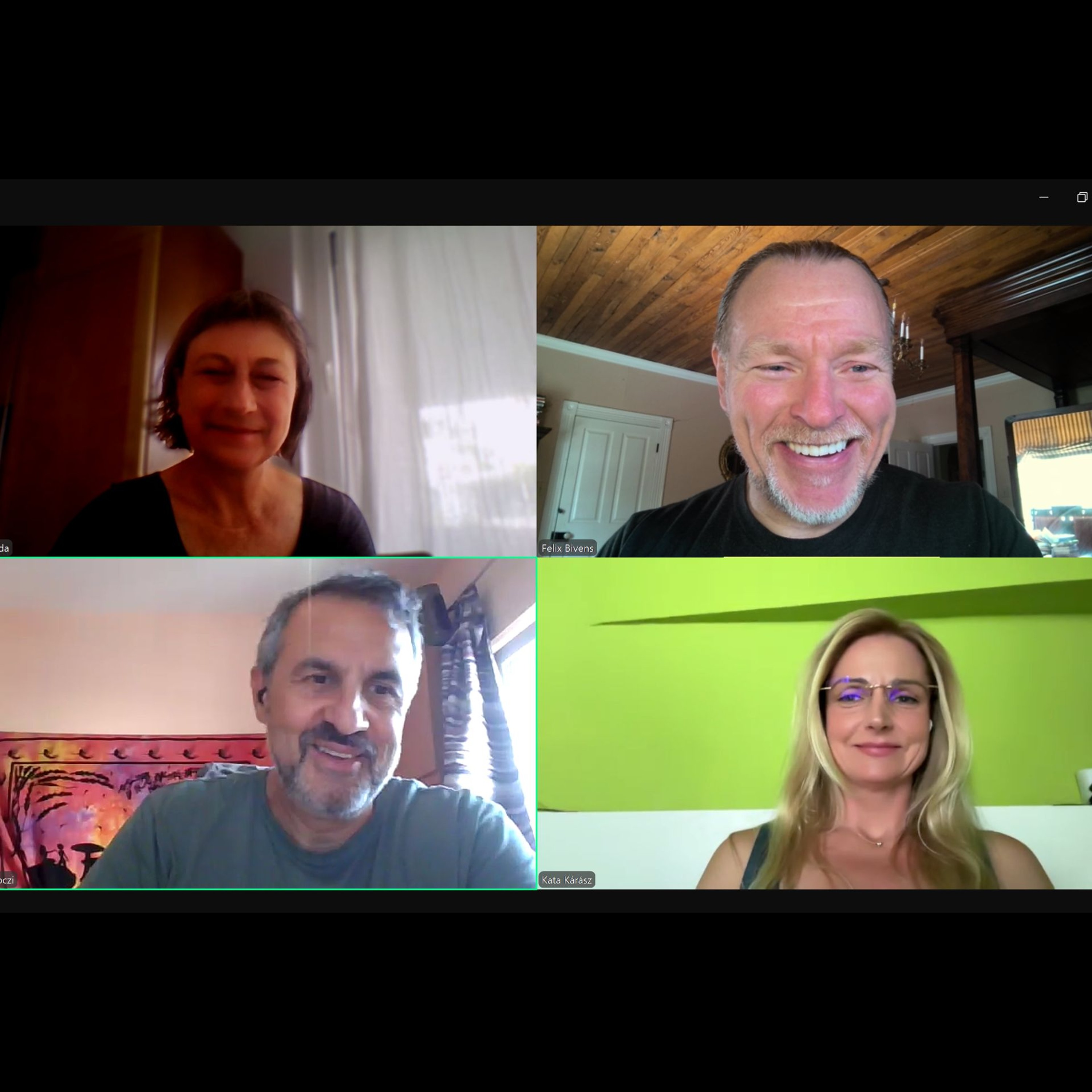
In this episode of Action Research Yes/And, co-host Felix ‘Skip’ Bivens speaks with Hungary-based researchers Dr. Violeta Vajda, Kata Kárász, and Gábor Daróczi. This team has just published a multi-year action research analysis of the accessibility of public services for the large Roma population—around 800,000 citizens—which exists in Hungary. In the post-Soviet era, Roma in Hungary have been actively segregated, crowded into homogenous ethic enclaves within larger cities or independent rural villages with their own schools designated only for Roma children. In this context, many such communities face inadequate or absent public services such as transportation and health care, among others. Since 2019, the European Union has sought to rectify this imbalance through the funding of the Felzárkózó Települések (FETE) program, which is providing hundreds of millions of Euros in aid to Hungary’s three-hundred most disadvantaged villages. While not explicitly a Roma-focused project, the vast majority of the communities included in FETE programs are Roma-majority localities. Working with young Roma activists trained in action research methods, Violeta, Kata and Gábor engaged multiple communities to determine the current availability and quality of public services and to what degree the ongoing FETE program is making an impact on these issues. They found unevenness in the delivery of the program, while the overall impact of the initative is masked by a lack of transparency about implementation and impact assessment of FETE activities, which are not administered directly by the EU but through a variety of local government and voluntary sector actors. Given the current Hungarian government’s status as a role model for 21st century authoritarianism, the conversation also delves into the role of action research and community-generated data under regimes that actively work to obscure transparency and analysis of their activities. Key Themes in this Episode: Introductions and backgrounds: 2:00-8:30 Context: Hungarian political environment and situation of Roma communities: 9:00-24:00 Research background and description of FETE program: 25:00-46:00 Research methodology: 47:00-55:00 Research findings: 56:00-1:14.00 Knowledge mobilization strategies: 1:16:00-1:24.30 Working with Roma youth as co-researchers: 1:24:30-1:28.30 Wider Lessons from researching in the Hungarian political context: 1:28:30-1:36.30 Show Notes: Roma Access to Public Service in Hungary Reports: https://phirenamenca.eu/public-service-access-by-roma-in-hungary-research-reports/ Phiren Amenca https://phirenamenca.eu/ The Roma Women's Network https://www.facebook.com/romanoihalozat Independent Theater Hungary https://independenttheater.hu/en/ Romaversitas https://romaversitas.hu/en/

Episode metadata supplied by the publisher feed · Published Jun 1, 2025

In this episode of Action Research Yes/And, co-host Felix ‘Skip’ Bivens speaks with Hungary-based researchers Dr. Violeta Vajda, Kata Kárász, and Gábor Daróczi. This team has just published a multi-year action research analysis of the accessibility of public services for the large Roma population—around 800,000 citizens—which exists in Hungary. In the post-Soviet era, Roma in Hungary have been actively segregated, crowded into homogenous ethic enclaves within larger cities or independent rural villages with their own schools designated only for Roma children. In this context, many such communities face inadequate or absent public services such as transportation and health care, among others. Since 2019, the European Union has sought to rectify this imbalance through the funding of the Felzárkózó Települések (FETE) program, which is providing hundreds of millions of Euros in aid to Hungary’s three-hundred most disadvantaged villages. While not explicitly a Roma-focused project, the vast majority of the communities included in FETE programs are Roma-majority localities. Working with young Roma activists trained in action research methods, Violeta, Kata and Gábor engaged multiple communities to determine the current availability and quality of public services and to what degree the ongoing FETE program is making an impact on these issues. They found unevenness in the delivery of the program, while the overall impact of the initative is masked by a lack of transparency about implementation and impact assessment of FETE activities, which are not administered directly by the EU but through a variety of local government and voluntary sector actors. Given the current Hungarian government’s status as a role model for 21st century authoritarianism, the conversation also delves into the role of action research and community-generated data under regimes that actively work to obscure transparency and analysis of their activities. Key Themes in this Episode: Introductions and backgrounds: 2:00-8:30 Context: Hungarian political environment and situation of Roma communities: 9:00-24:00 Research background and description of FETE program: 25:00-46:00 Research methodology: 47:00-55:00 Research findings: 56:00-1:14.00 Knowledge mobilization strategies: 1:16:00-1:24.30 Working with Roma youth as co-researchers: 1:24:30-1:28.30 Wider Lessons from researching in the Hungarian political context: 1:28:30-1:36.30 Show Notes: Roma Access to Public Service in Hungary Reports: https://phirenamenca.eu/public-service-access-by-roma-in-hungary-research-reports/ Phiren Amenca https://phirenamenca.eu/ The Roma Women's Network https://www.facebook.com/romanoihalozat Independent Theater Hungary https://independenttheater.hu/en/ Romaversitas https://romaversitas.hu/en/

PodParley-generated summary based on available episode metadata and transcript content.

NOW PLAYING

Roma Access to Public Services in Hungary. S1 Ep22

0:00 1:38:49

No transcript for this episode yet

We transcribe on demand. Request one and we'll notify you when it's ready — usually under 10 minutes.

MG Show MG Show The MG Show, hosted by Jeffrey Pedersen and Shannon Townsend, is a leading alternative media platform dedicated to uncovering the truth behind today’s most pressing political issues. Launched in 2019, the show has grown exponentially, offering unfiltered insights, comprehensive research, and real-time analysis. With a commitment to independent journalism and factual integrity, the MG Show empowers its audience with knowledge and encourages active participation in the political discourse. Breaking News Show | eTurboNews Juergen Thomas Steinmetz News is relevant to the global travel and tourism industry, human rights and global issues.Breaking news when it happens and only from the source. Eat to Live Jenna Fuhrman, Dr. Fuhrman Our health is our most precious gift and smart nutrition can change your life. Each month, join Dr. Fuhrman and his daughter, Jenna Fuhrman as they discuss important topics in the world of nutrition. Eat to Live will change the way you eat and think about food. French Your Way Jessica: Native French teacher founder of French Your Way Boost your French listening skills and test your comprehension with this one of a kind series of podcasts. Get the chance to listen to a real conversation between native speakers talking at normal speed AND customise your learning experience through carefully designed sets of questions (2 levels of difficulty) available for download at www.frenchvoicespodcast.com. All interviews also come with the transcript. French teacher Jessica interviews native speakers of French from around the world who share a bit of their life and passion. Where else would you meet in one same place a French yoga teacher based in Melbourne, a soap manufacturer from Provence, or a couple cycling around the world?

Frequently Asked Questions

How long is this episode of Action Research Yes/And?

This episode is 1 hour and 38 minutes long.

When was this Action Research Yes/And episode published?

This episode was published on June 1, 2025.

What is this episode about?

In this episode of Action Research Yes/And, co-host Felix ‘Skip’ Bivens speaks with Hungary-based researchers Dr. Violeta Vajda, Kata Kárász, and Gábor Daróczi. This team has just published a multi-year action research analysis of the accessibility...

Can I download this Action Research Yes/And episode?

Yes, you can download this episode by clicking the download button on the episode player, or subscribe to the podcast in your preferred podcast app for automatic downloads.
URL copied to clipboard!