PodParley PodParley

RT16 - Dr Lorelei Schmitt - First trips and multi-modal integration matter

Dr Lorelei Schmitt now works as Principal Multimo…

An episode of the Researching Transit podcast, hosted by Public Transport Research Group, titled "RT16 - Dr Lorelei Schmitt - First trips and multi-modal integration matter" was published on October 25, 2020 and runs 44 minutes.

October 25, 2020 ·44m · Researching Transit

0:00 / 0:00

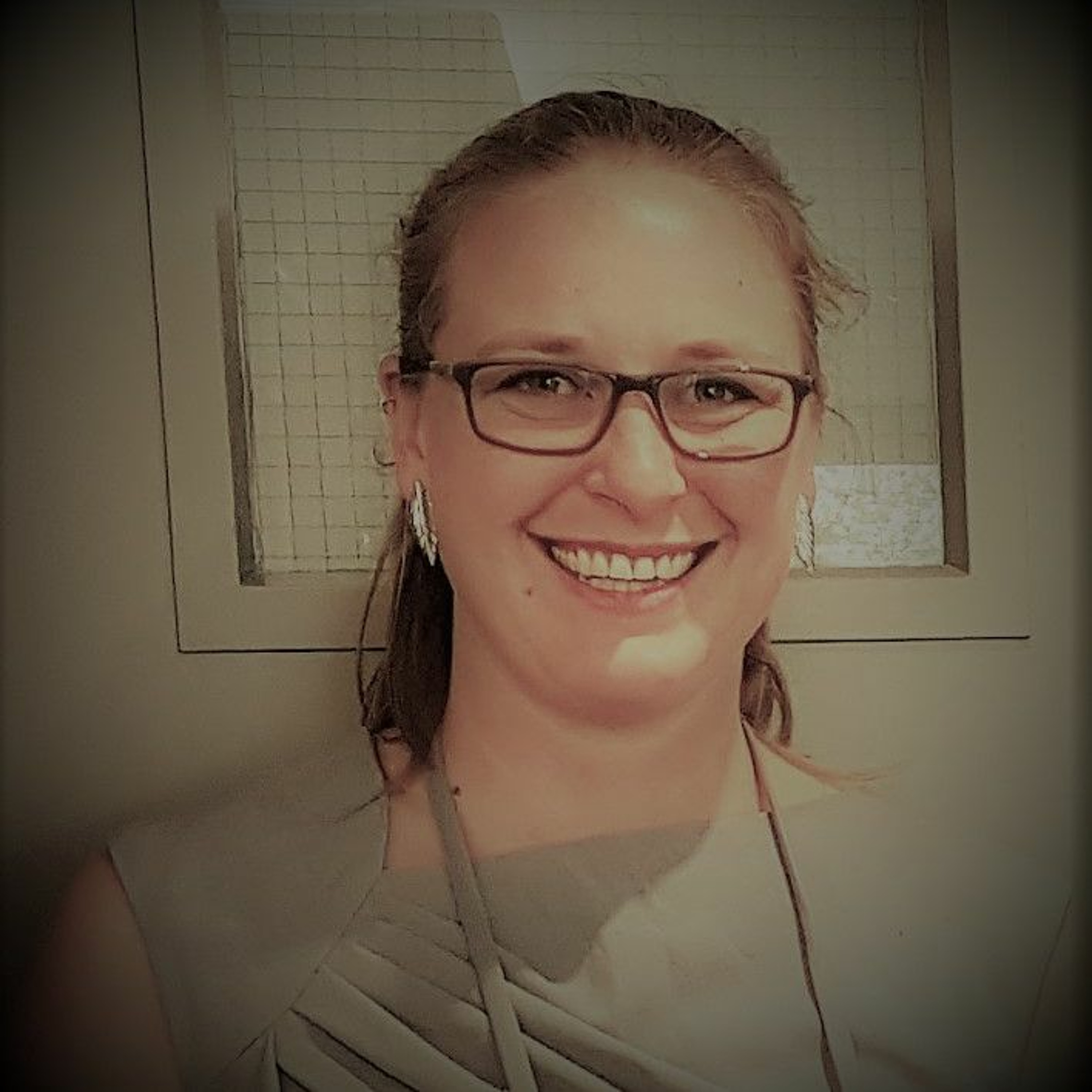
Dr Lorelei Schmitt now works as Principal Multimodal Advisor at Waka Kotahi, Māori for ‘travelling together as one’(1), and the name of the New Zealand Transport Agency. In today’s show, Lorelei discusses the importance of first impressions on public transport and the collaborative ways NZTA is building the agency’s capability to integrate different modes of transport. Lorelei completed a PhD as a member of the Public Transport Research Group. Her research focused on unfamiliar travel, among new users, visitors or users changing routes or modes in public transport networks. Leveraging her psychology training, Lorelei explored the ways in which unfamiliar trips differ from familiar trips. Unfamiliar travel has a primacy effect, conjuring more vivid recollections than for habitual trips. The way people perceive a network is important for shaping future behaviours. Visitors also form opinions about cities based on their unfamiliar journeys. In addition, new users have a higher cognitive load. She highlights the importance of providing clear signage and real-time information, since not all travellers have access to smart devices. Interventions can be targeted around locations or times when unfamiliar journeys often occur, such as sporting events or university semesters to ensure new users have a positive and efficient experience. As a multi-modal planner in New Zealand, Lorelei’s responsibilities include developing national public transport design guidelines collaboratively with local and regional agencies who deliver transit. The first iteration of the Public Transport Design Guidelines (2) provides advice on public transport infrastructure, including bus stop design and corridor clearance. They are designed to promote national consistency in the delivery of public transport, tailored to the New Zealand regulatory environment. Developing a tool that is useful for a wide range of stakeholders with different expertise was an unexpectedly complicated process. “Trying to get solutions that are really passenger-centric, user-friendly, but also meet all the different requirements of different transport planners of different modes hasn’t been a simple exercise” Multi-modal integration inherently complicates the transport planning process. A key challenge is enabling people to realise that what’s good for one mode isn’t necessarily best for the system as a whole. Much of the formal training for transport planning has a vehicle throughput focus. In the interest of achieving better multi-modal integration, Lorelei’s team explored the project funding and delivery Lifecyle to identify key stakeholders pivotal in shaping projects. Training modules developed by Waka Kotahi is provided to these stakeholders to lift the multimodal capability and unlock multimodal potential of projects. One key area that has benefited from collaboration between planners with different modal expertise is that of safety. Interestingly, Lorelei’s multi-modal responsibilities extend to that of Te Araroa, a 3000km walking trail that runs the length of New Zealand (3). Working with the road engineers improved the safety outcome for walkers at an intersection where Te Araroa crossed a major highway. Lorelei stresses the need for empathy, patience and collaboration when challenging status quo for modes. Multi-modal planning also fosters consideration of a wider range of access and mobility needs across the community. The process of collaborative planning therefore allows for accessibility to be provided more equitably. Visit our website for the full notes from today's show. Sing up for updates when we release shows: http://eepurl.com/g9tCdb Music from this episode is from https://www.purple-planet.com

Dr Lorelei Schmitt now works as Principal Multimodal Advisor at Waka Kotahi, Māori for ‘travelling together as one’(1), and the name of the New Zealand Transport Agency. In today’s show, Lorelei discusses the importance of first impressions on public transport and the collaborative ways NZTA is building the agency’s capability to integrate different modes of transport. Lorelei completed a PhD as a member of the Public Transport Research Group. Her research focused on unfamiliar travel, among new users, visitors or users changing routes or modes in public transport networks. Leveraging her psychology training, Lorelei explored the ways in which unfamiliar trips differ from familiar trips. Unfamiliar travel has a primacy effect, conjuring more vivid recollections than for habitual trips. The way people perceive a network is important for shaping future behaviours. Visitors also form opinions about cities based on their unfamiliar journeys. In addition, new users have a higher cognitive load. She highlights the importance of providing clear signage and real-time information, since not all travellers have access to smart devices. Interventions can be targeted around locations or times when unfamiliar journeys often occur, such as sporting events or university semesters to ensure new users have a positive and efficient experience. As a multi-modal planner in New Zealand, Lorelei’s responsibilities include developing national public transport design guidelines collaboratively with local and regional agencies who deliver transit. The first iteration of the Public Transport Design Guidelines (2) provides advice on public transport infrastructure, including bus stop design and corridor clearance. They are designed to promote national consistency in the delivery of public transport, tailored to the New Zealand regulatory environment. Developing a tool that is useful for a wide range of stakeholders with different expertise was an unexpectedly complicated process. “Trying to get solutions that are really passenger-centric, user-friendly, but also meet all the different requirements of different transport planners of different modes hasn’t been a simple exercise” Multi-modal integration inherently complicates the transport planning process. A key challenge is enabling people to realise that what’s good for one mode isn’t necessarily best for the system as a whole. Much of the formal training for transport planning has a vehicle throughput focus. In the interest of achieving better multi-modal integration, Lorelei’s team explored the project funding and delivery Lifecyle to identify key stakeholders pivotal in shaping projects. Training modules developed by Waka Kotahi is provided to these stakeholders to lift the multimodal capability and unlock multimodal potential of projects. One key area that has benefited from collaboration between planners with different modal expertise is that of safety. Interestingly, Lorelei’s multi-modal responsibilities extend to that of Te Araroa, a 3000km walking trail that runs the length of New Zealand (3). Working with the road engineers improved the safety outcome for walkers at an intersection where Te Araroa crossed a major highway. Lorelei stresses the need for empathy, patience and collaboration when challenging status quo for modes. Multi-modal planning also fosters consideration of a wider range of access and mobility needs across the community. The process of collaborative planning therefore allows for accessibility to be provided more equitably. Visit our website for the full notes from today's show. Sing up for updates when we release shows: http://eepurl.com/g9tCdb Music from this episode is from https://www.purple-planet.com
Shawn Blackwood - Becoming A Business Owner Shawn Blackwood This podcast is about finding and creating a business. It is for people who are looking to become first time business owners and or looking to transition from the corporate world to becoming a business owner. Here we share tips for researching and building solid infrastructure to create and scale your business. Interchange Recharged Wood Mackenzie Clean tech, green finance and energy innovation are the three lanes on the road to a successful global energy transition. At the intersection of these lanes is a place where ideas on finance, technology and policy are shared and debated. That intersection is Interchange Recharged.While Sylvia Leyva Martinez, principal analyst at Wood Mackenzie, is on maternity leave, Bridget van Dorsten, a principal analyst on Wood Mackenzie's hydrogen team, will be hosting this podcast, Interchange Recharged. When Bridget is not researching global market dynamics to craft near and long-term forecasts for low-carbon hydrogen and its derivatives she is speaking with visionaries, entrepreneurs, policy-makers and energy analysts to explore the newest developments in renewable technology, explain the ideas on global energy policy that could accelerate the energy transition, and identify new funding and financial models that could solve the biggest challenges we face on the way t Autism Resource Podcast autismresourcepodcast Gilda Evans has spent over 20 years researching and seeking answers for how to get her son with special needs the things he requires for his education, health, and life in general. She became her son’s self-taught advocate and is the creator of the Autism Resource Podcast. Designed for the special needs community and those who support it, the podcast deals with a myriad of topics; from education, to government benefits to housing and almost everything in-between. One of the biggest problems this community faces as a group is not only a lack of certain resources, but also the lack of a singular place to go to discover how to access and use the resources that are out there. Her podcast offers one solution to that dilemma, by providing a one-stop knowledge base for autism and much more. Herbivorize Predators Herbivorize Predators Herbivorize Predators is an organization dedicated to (1) researching how to herbivorize and (2) promoting dialogue about all aspects of this proposal.
URL copied to clipboard!