PodParley PodParley

RT25 – Susan Shaheen and Emma Lucken – Mobility on demand services and public transport

This is the third episode in the Researching Tran…

An episode of the Researching Transit podcast, hosted by Public Transport Research Group, titled "RT25 – Susan Shaheen and Emma Lucken – Mobility on demand services and public transport" was published on May 30, 2021 and runs 47 minutes.

May 30, 2021 ·47m · Researching Transit

0:00 / 0:00

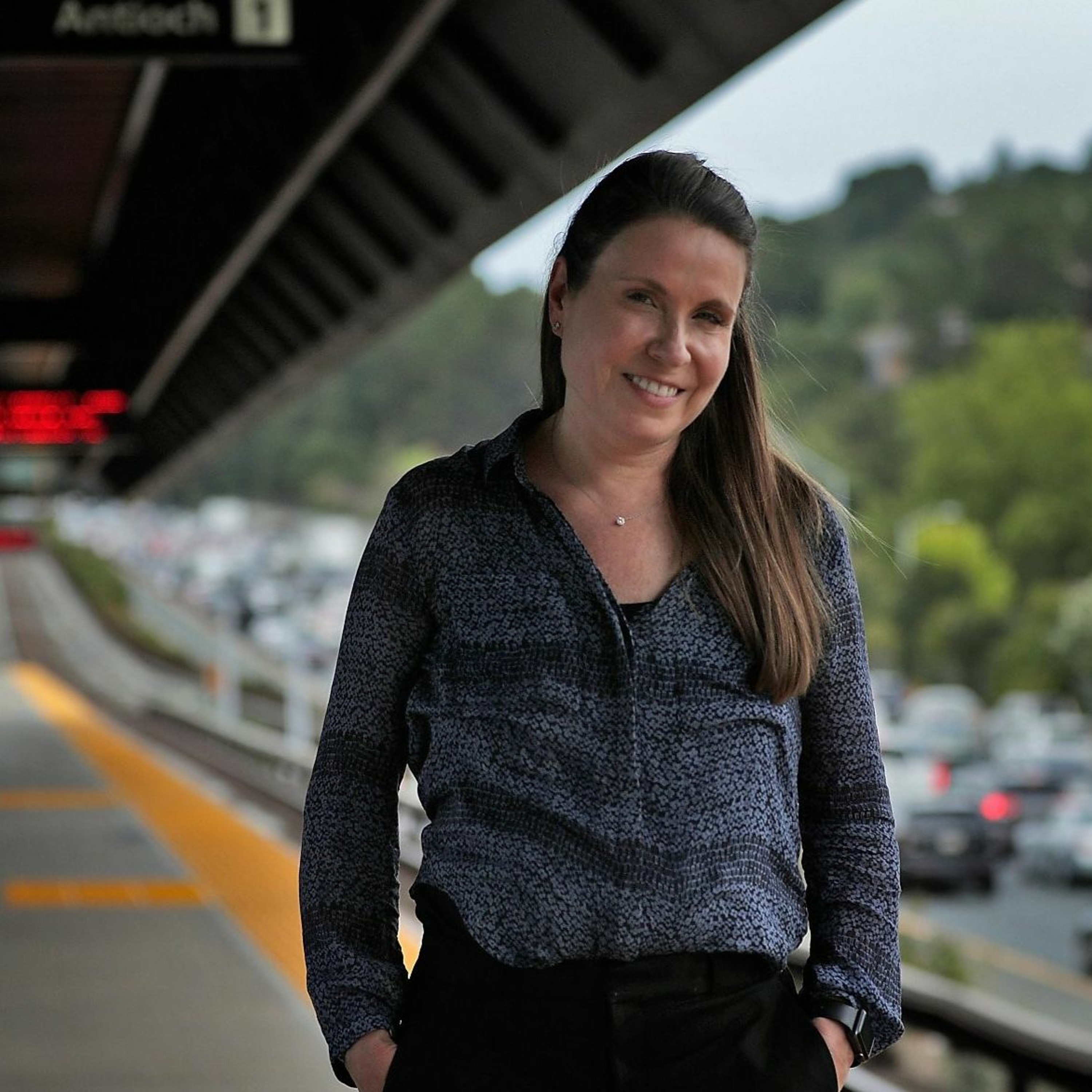
This is the third episode in the Researching Transit Handbook of Public Transport Research series. Links to obtain the book can be found at the end of the notes. In this episode, Professor Graham Curries speaks to authors of Chapter 19, Incorporating Mobility on Demand (MOD) and Mobility as a Service (MaaS) automotive services into Public Transportation, Emma Lucken and Susan Shaheen. Susan Shaheen is Professor in Civil and Environmental Engineering at UC Berkeley. She is also Co-director, Transportation Sustainability Research Center (TSRC), UC Berkeley, and chair of the US Transportation Research Board Executive committee. Emma Lucken is undertaking a PhD in transportation engineering and is also a member of TSRC. Professor Shaheen reflects on the motivation and philosophy that has underpinned her research career in transportation. She has always sought to challenge the status quo, using technology to provide sustainable mobility options that could be superior to private automobile ownership and use, particularly from an environmental and social perspective. Public transport, paired with other mobility options, is central to providing mobility without the need for car ownership. Turning attention to the book chapter, Shaheen makes the distinction between Mobility on Demand (MOD) and Mobility as a Service (MaaS). Mobility on demand refers to an ecosystem of transport options that offer integrated and seamless access. Transportation network companies (TNCs, or ridesharing services as they are more commonly known in Australia), as well as microtransit and public transportation, make up links in this ecosystem. Mobility as a Service refers to the provision of on-demand mobility through apps and subscriptions. Emma Lucken describes the different service models of some of the 62 TNC and microtransit projects identified in the USA. Four main models emerge, which can be described by the ways in which the public-private partnerships seek to supplement fixed-route transit. These include: first- and last-mile services, low-density services, off-peak services and paratransit services for users who may not be able to use fixed route services as readily or who may not be able to harness the technology that often accompanies Mobility on Demand. Find out more about this research in Chapter 19 of the Handbook of Public Transport Research, available for purchase from the publisher’s website: www.e-elgar.com/shop/gbp/handbook…781788978651.html Learn more about the people and projects in today’s show: Prof Susan Shaheen: https://ce.berkeley.edu/people/faculty/shaheen Emma Lucken: https://tsrc.berkeley.edu/emma-lucken Transportation Sustainability Research Centre: https://tsrc.berkeley.edu/ Innovative Mobility Research (Susan’s lab): http://innovativemobility.org/ If you enjoyed this episode, you may also enjoy episode 12 with Dr Taru Jain , on the role of carshare in the mobility ecosystem http://publictransportresearchgroup.info/?p=51729. Have feedback? Find us on twitter and instagram @transitpodcast or using #researchingtransit Music from this episode is from https://www.purple-planet.com

This is the third episode in the Researching Transit Handbook of Public Transport Research series. Links to obtain the book can be found at the end of the notes. In this episode, Professor Graham Curries speaks to authors of Chapter 19, Incorporating Mobility on Demand (MOD) and Mobility as a Service (MaaS) automotive services into Public Transportation, Emma Lucken and Susan Shaheen. Susan Shaheen is Professor in Civil and Environmental Engineering at UC Berkeley. She is also Co-director, Transportation Sustainability Research Center (TSRC), UC Berkeley, and chair of the US Transportation Research Board Executive committee. Emma Lucken is undertaking a PhD in transportation engineering and is also a member of TSRC. Professor Shaheen reflects on the motivation and philosophy that has underpinned her research career in transportation. She has always sought to challenge the status quo, using technology to provide sustainable mobility options that could be superior to private automobile ownership and use, particularly from an environmental and social perspective. Public transport, paired with other mobility options, is central to providing mobility without the need for car ownership. Turning attention to the book chapter, Shaheen makes the distinction between Mobility on Demand (MOD) and Mobility as a Service (MaaS). Mobility on demand refers to an ecosystem of transport options that offer integrated and seamless access. Transportation network companies (TNCs, or ridesharing services as they are more commonly known in Australia), as well as microtransit and public transportation, make up links in this ecosystem. Mobility as a Service refers to the provision of on-demand mobility through apps and subscriptions. Emma Lucken describes the different service models of some of the 62 TNC and microtransit projects identified in the USA. Four main models emerge, which can be described by the ways in which the public-private partnerships seek to supplement fixed-route transit. These include: first- and last-mile services, low-density services, off-peak services and paratransit services for users who may not be able to use fixed route services as readily or who may not be able to harness the technology that often accompanies Mobility on Demand. Find out more about this research in Chapter 19 of the Handbook of Public Transport Research, available for purchase from the publisher’s website: www.e-elgar.com/shop/gbp/handbook…781788978651.html Learn more about the people and projects in today’s show: Prof Susan Shaheen: https://ce.berkeley.edu/people/faculty/shaheen Emma Lucken: https://tsrc.berkeley.edu/emma-lucken Transportation Sustainability Research Centre: https://tsrc.berkeley.edu/ Innovative Mobility Research (Susan’s lab): http://innovativemobility.org/ If you enjoyed this episode, you may also enjoy episode 12 with Dr Taru Jain , on the role of carshare in the mobility ecosystem http://publictransportresearchgroup.info/?p=51729. Have feedback? Find us on twitter and instagram @transitpodcast or using #researchingtransit Music from this episode is from https://www.purple-planet.com
Shawn Blackwood - Becoming A Business Owner Shawn Blackwood This podcast is about finding and creating a business. It is for people who are looking to become first time business owners and or looking to transition from the corporate world to becoming a business owner. Here we share tips for researching and building solid infrastructure to create and scale your business. Interchange Recharged Wood Mackenzie Clean tech, green finance and energy innovation are the three lanes on the road to a successful global energy transition. At the intersection of these lanes is a place where ideas on finance, technology and policy are shared and debated. That intersection is Interchange Recharged.While Sylvia Leyva Martinez, principal analyst at Wood Mackenzie, is on maternity leave, Bridget van Dorsten, a principal analyst on Wood Mackenzie's hydrogen team, will be hosting this podcast, Interchange Recharged. When Bridget is not researching global market dynamics to craft near and long-term forecasts for low-carbon hydrogen and its derivatives she is speaking with visionaries, entrepreneurs, policy-makers and energy analysts to explore the newest developments in renewable technology, explain the ideas on global energy policy that could accelerate the energy transition, and identify new funding and financial models that could solve the biggest challenges we face on the way t Autism Resource Podcast autismresourcepodcast Gilda Evans has spent over 20 years researching and seeking answers for how to get her son with special needs the things he requires for his education, health, and life in general. She became her son’s self-taught advocate and is the creator of the Autism Resource Podcast. Designed for the special needs community and those who support it, the podcast deals with a myriad of topics; from education, to government benefits to housing and almost everything in-between. One of the biggest problems this community faces as a group is not only a lack of certain resources, but also the lack of a singular place to go to discover how to access and use the resources that are out there. Her podcast offers one solution to that dilemma, by providing a one-stop knowledge base for autism and much more. Herbivorize Predators Herbivorize Predators Herbivorize Predators is an organization dedicated to (1) researching how to herbivorize and (2) promoting dialogue about all aspects of this proposal.
URL copied to clipboard!