
EPISODE · Oct 2, 2025 · 13 MIN
Rural Directors against Municipalities joining the Electoral Areas Planning Service
from Cortes Currents · host roy.hales9.gmail.com
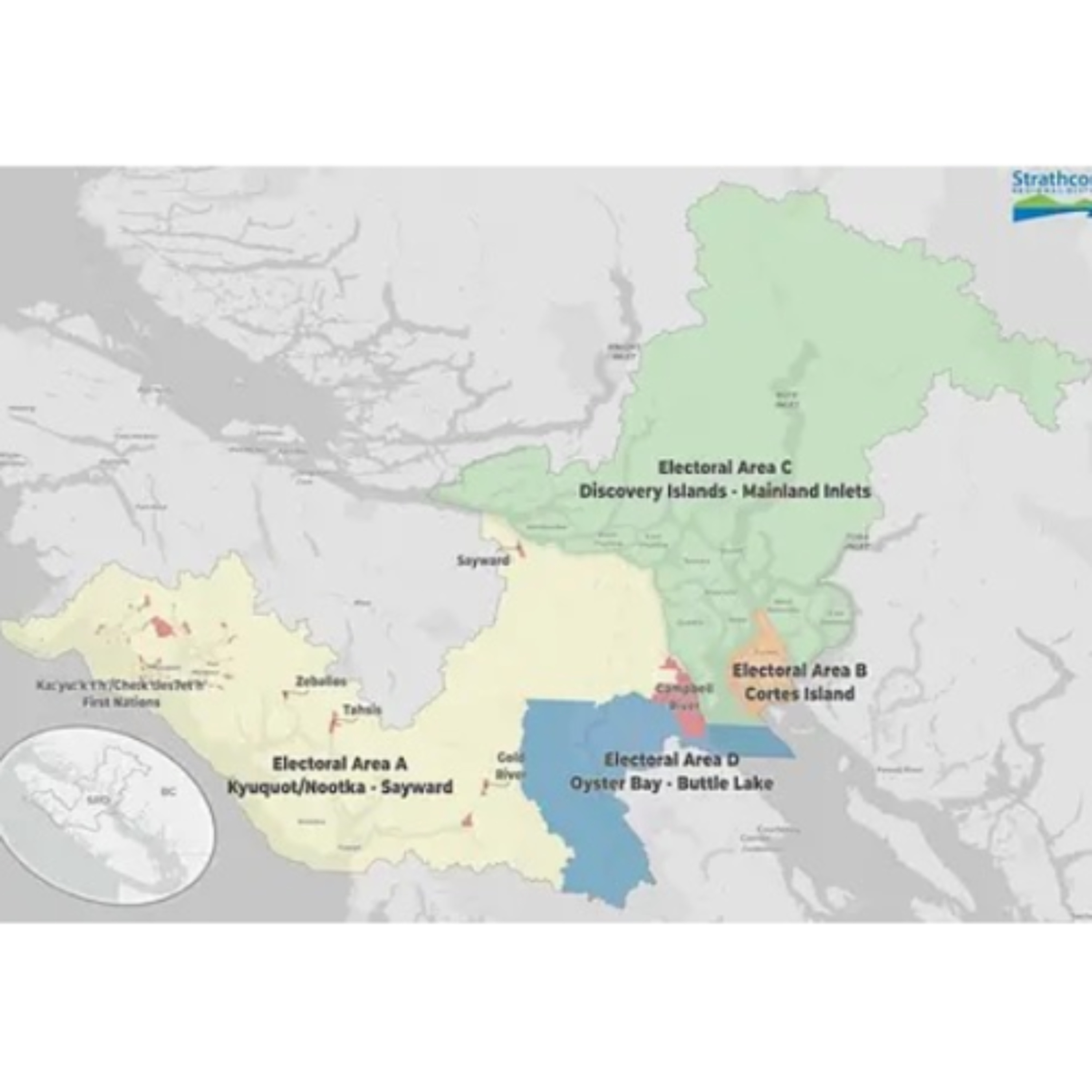
Roy L Hales/Cortes Currents - Campbell River wants to take control of the Strathcona Regional District’s Electoral Areas Planning Service away from rural directors. They are thinking of joining the service, which would cost Campbell River tax payers close to $500,000 a year for their resulting share of the assessments, and have asked other municipalities to do the same. This morning’s story consists of interviews with the Regional Directors of Areas A, Cortes Island and C, who issued a joint press release against this on Wednesday, October 1. Mark Vonesch, Regional Director of Cortes Island, began, “For folks that are learning about this, for the first time, I'll give some background information. The four electoral areas at the Strathcona Regional District. That's Cortes Island, that's Quadra and the Discovery Islands, the Seaward Valley area, which is area A and then area D south of Campbell River. We currently have a planning service that we all pay into. That's where all our land use decisions happen and currently the four of us are the votes on those decisions. Campbell River has the right to be able to join this planning service, but it means they have to pay for it.” “So right now, Campbell River is considering joining the electoral area planning service that would cost them $500,000 a year. That's $5 million over the next 10 years to be able to control land use planning decisions in the rural areas of the Strathcona Regional District.” Gerald Whalley, Regional Director for Area A explained, “My concern is based on the fact that if Campbell River joined the electoral area planning service, they would have total control over all land use issues within the rural areas, within the electoral areas. That is because Campbell River has five votes, the other electoral areas only have four votes, so they could potentially outvote us on every issue.” Robyn Mawhinney, Regional director for Area C added, “This could mean that an application which has not received community support could be pushed through despite community feedback. It could potentially mean a building service could be implemented, costing residents not only increase tech, do tax dollars annually, but more and more fees for every stage of construction. It could really mean that the wishes of rural residents are not considered in land use planning decisions, and to me, that's unacceptable and why I am really so concerned with this proposal.”
Embed this episode
Ready to play
Rural Directors against Municipalities joining the Electoral Areas Planning Service
No transcript for this episode yet
Similar Episodes
No similar episodes found.