
EPISODE · Jun 30, 2023 · 34 MIN
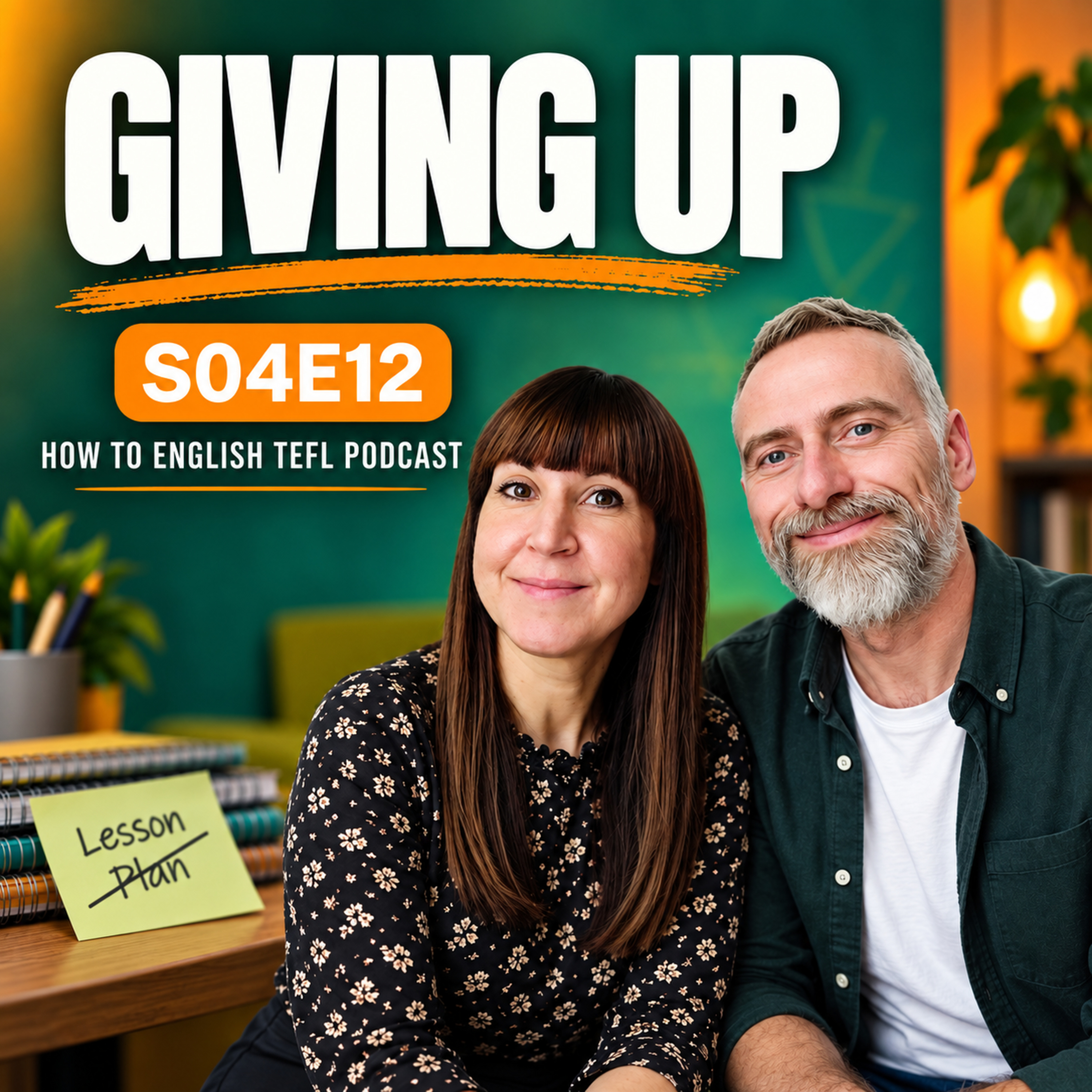
When Should English Teachers Give Up on a Lesson, Class or Job? – S04E12
from How to English TEFL Podcast · host Gav and Em
Have you considered giving up teaching or learning? How can you tell when perseverance is worthwhile and when walking away is the healthier, more professional choice?Gav and Em explore when English teachers should abandon an activity, stop teaching a difficult class or leave an unsuitable company. Drawing on their own classroom experiences, they discuss the pressure teachers put on themselves to continue when something clearly is not working.Em shares a recent lesson in which an overplanned technical vocabulary gap-fill proved too difficult for the learner. Should she have powered through because she had invested so much time in preparing it, or changed direction after noticing the silence and lack of engagement?Gav explains how teachers can move smoothly into a different activity without appearing unprofessional. This might mean developing one interesting question into a conversation, setting the unfinished exercise for homework or giving students a familiar task while the teacher takes a moment to regroup.The conversation moves from unsuccessful activities to entire classes. Gav and Em discuss what teachers can try before giving up a course: speak honestly with the students, negotiate changes, identify practical problems and ask a manager for support. However, repeatedly dreading a class, overplanning every lesson and feeling disappointed afterwards may be signs that a different teacher would be better for everyone.When should an English teacher leave a company? Gav and Em consider bullying, discrimination, persistent late payment, excessive workloads and situations that begin to affect a teacher’s health or sleep. They also explain why inexperienced teachers can be particularly vulnerable to unfair treatment and why an outside perspective from colleagues, friends or family can help.But should teachers ever tell learners to give up studying English? Gav and Em agree that the decision belongs to the learner. Teachers can explain the situation honestly and help learners understand the commitment required, but they should not decide somebody else’s limits.Stay until the end for Learn-A-Word, featuring commonly confused words such as colour and collar, access and excess, eminent and imminent, statue, stature and statute, and wander and wonder.If you find the show useful, you can send us a thanks at https://ko-fi.com/howtoenglishpodVisit https://howtoenglishpod.com for practical teaching ideas and resources ready to use.References:Psychology Today:https://www.psychologytoday.com/us/blog/tech-support/201501/8-ways-you-can-tell-that-its-the-right-time-to-quitSergio from Grammar Drops:https://www.youtube.com/@GrammarDropsMerriam-Webster commonly confused words:https://www.merriam-webster.com/words-at-play/commonly-confused-words-listChapters:00:00 Should teachers ever give up?01:34 When a classroom activity is not working04:15 Recognising silence and disengagement06:20 How to change activities without looking unprofessional08:41 Is it ever acceptable to leave a lesson?12:26 When to stop teaching a difficult class15:15 Speaking to students and negotiating changes17:42 Signs that it may be time to quit a course20:29 When should a teacher leave a company?23:12 Late payment, unfair treatment and teacher wellbeing25:52 Should teachers tell learners to give up?27:50 Learn-A-Word: commonly confused English words32:46 Next episode and closing thoughts
Embed this episode
Ready to play
When Should English Teachers Give Up on a Lesson, Class or Job? – S04E12
No transcript for this episode yet
Similar Episodes
No similar episodes found.
Similar Podcasts
No similar podcasts found.