
EPISODE · May 26, 2026 · 24 MIN
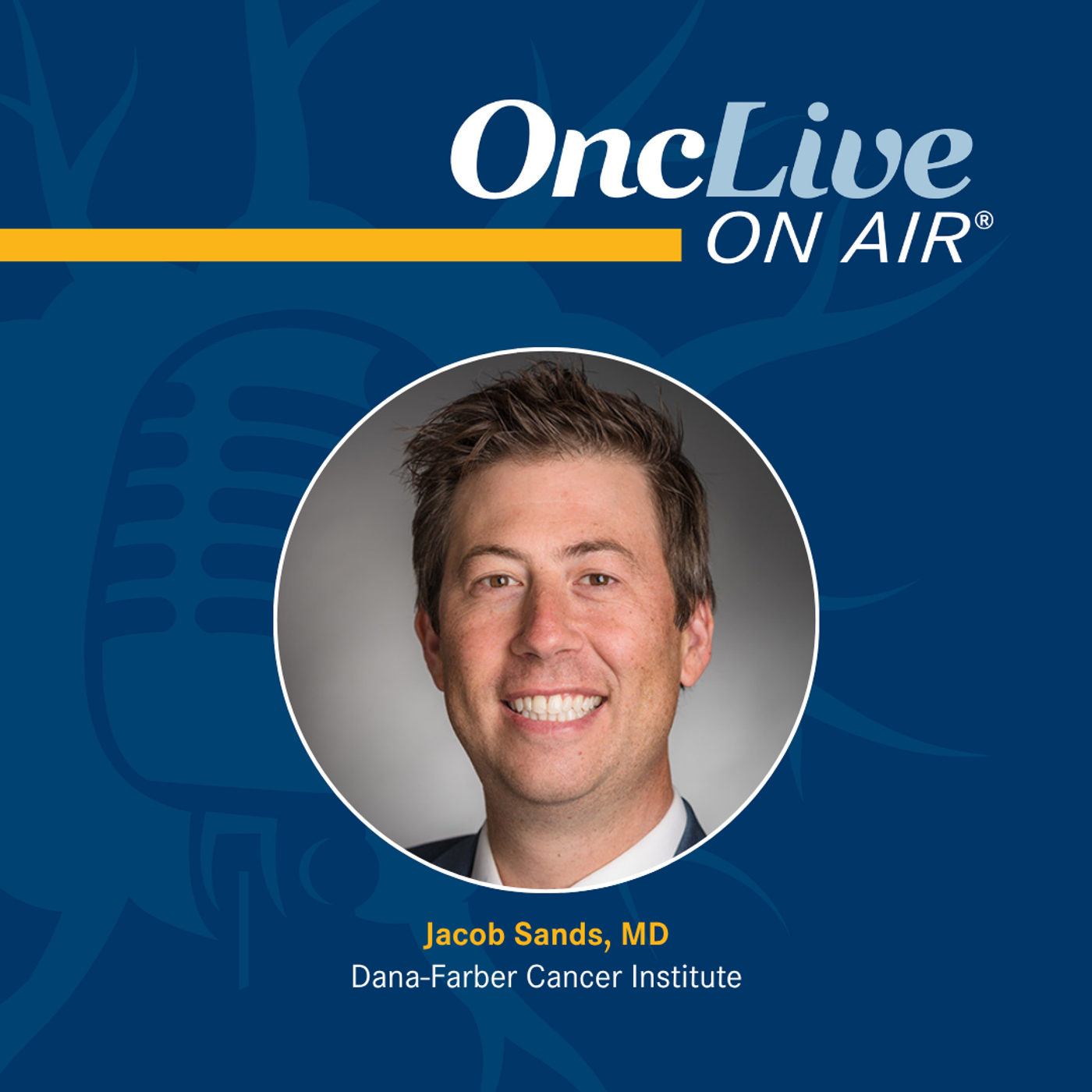
S17 Ep26: Emerging Targets, Second-Line Standards, and Molecular Subtyping Signal a New Era in SCLC Care: With Jacob Sands, MD
from OncLive® On Air · host OncLive® On Air
In today’s episode, we spoke with Jacob Sands, MD. Dr Sands is the associate chief of the Lowe Center for Thoracic Oncology, Oncology Medical Director of the International Patient Center, and physician at Dana-Farber Cancer Institute, as well as an assistant professor at Harvard Medical School in Boston, Massachusetts. In our exclusive interview, Dr Sands discussed the rapidly evolving treatment landscape for small cell lung cancer (SCLC), emphasizing both the progress made with immunotherapy and the ongoing challenges associated with this aggressive disease. He noted that outcomes now vary widely, with some patients experiencing long-term durable disease control following checkpoint inhibitor therapy, while others continue to have limited benefit from currently available treatments.A major focus of the discussion centered on tarlatamab-dlle (Imdelltra), the DLL3-targeting bispecific T-cell engager approved for relapsed SCLC. Sands described tarlatamab as a “new paradigm” therapy, highlighting results from the phase 3 DeLLphi-304 trial (NCT05740566) showing superiority in progression-free survival, overall survival, symptom improvement, and toxicity outcomes vs chemotherapy in the second-line setting. He also reviewed the evolution of DLL3 as a therapeutic target, explaining how earlier efforts with rovalpituzumab tesirine (Rova-T) helped establish the foundation for newer, more effective DLL3-directed approaches. The conversation also explored the growing role of molecular subtyping in SCLC, including emerging data involving ASCL1, NEUROD1, and POU2F3 transcription factor subsets. Although Sands cautioned that these findings remain investigational, he noted that subtype-driven treatment selection may eventually help personalize therapy in SCLC.Sands also addressed real-world experience with tarlatamab, including higher observed rates of cytokine release syndrome and neurologic toxicities among patients who would not have qualified for clinical trials. Despite these risks, he emphasized that many heavily pretreated patients with poor performance status or brain metastases have still achieved meaningful and durable clinical benefit.Finally, the discussion covered recent updates to National Comprehensive Cancer Network guidelines, including the establishment of tarlatamab as a preferred second-line standard of care regardless of chemotherapy-free interval. Looking ahead, Sands highlighted the growing pipeline of investigational therapies in SCLC, including CAR T-cell therapies, antibody-drug conjugates, radioligand therapies, and additional T-cell engagers, stressing the importance of clinical trial referral and collaboration between academic and community oncology centers.
Embed this episode
What this episode covers
Dr Sands discusses the rapidly evolving treatment landscape for SCLC, emphasizing both the progress made with immunotherapy and the ongoing challenges associated with this aggressive disease.
NOW PLAYING
S17 Ep26: Emerging Targets, Second-Line Standards, and Molecular Subtyping Signal a New Era in SCLC Care: With Jacob Sands, MD
No transcript for this episode yet
Similar Episodes
No similar episodes found.
Similar Podcasts
No similar podcasts found.