
EPISODE · Aug 28, 2026 · 22 MIN
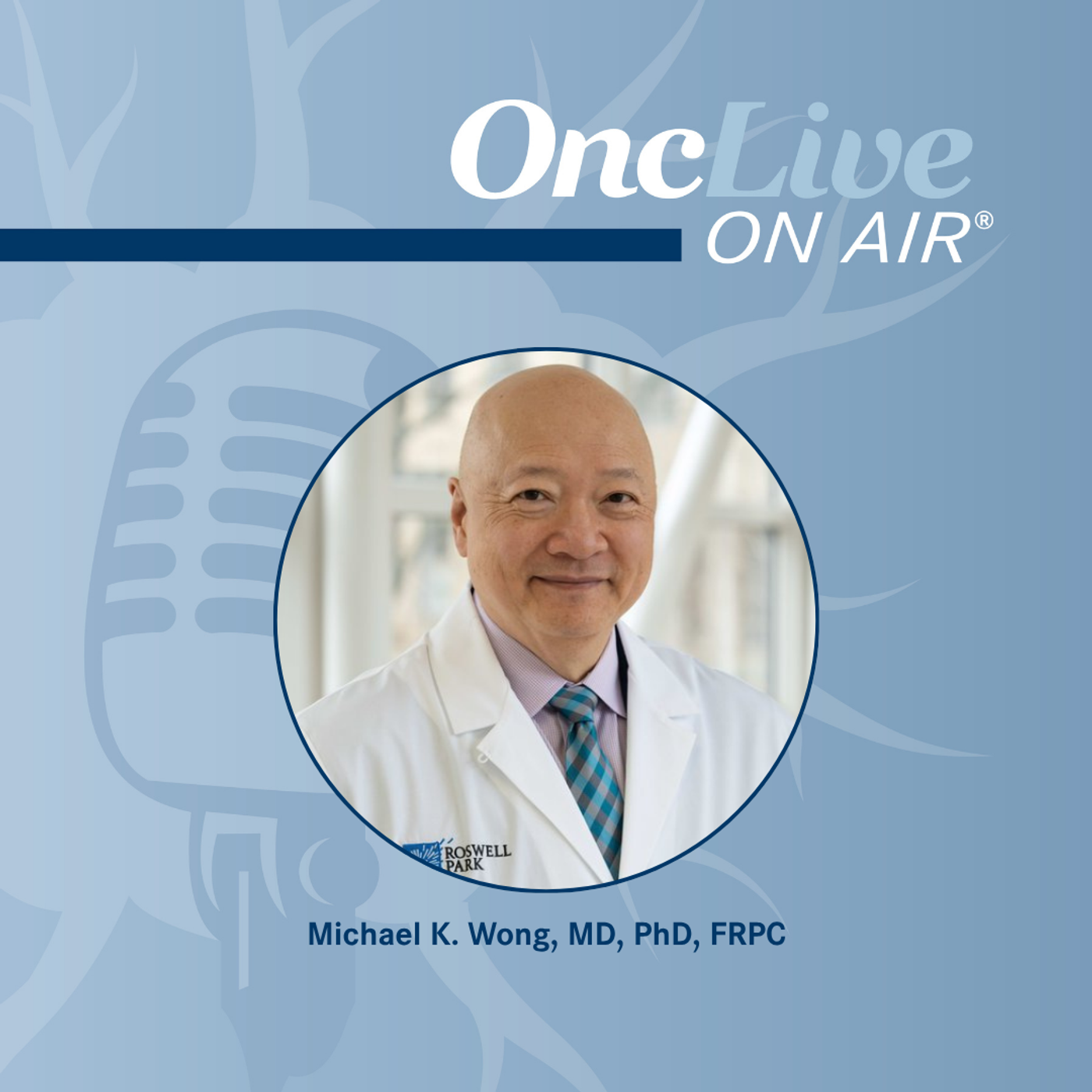
S18 Ep31: FDA Approval Insights: Integrating RP1 Plus Nivolumab Into Post–PD-1 Melanoma Practice: With Michael K. Wong, MD, PhD, FRPC
from OncLive® On Air · host OncLive® On Air
In today's episode, we spoke with Michael K. Wong, MD, PhD, FRPC. Dr Wong is a physician at Roswell Park Comprehensive Cancer Center in Buffalo, New York.In our exclusive interview, Dr Wong discussed the significance of the FDA’s accelerated approval of vusolimogene oderparepvec-wtpg (Tudriqev; RP1) in combination with nivolumab (Opdivo) for adult patients with unresectable advanced cutaneous melanoma whose disease progressed on a prior PD-1–blocking antibody–based regimen. He noted that this approval followed a lengthy regulatory trajectory, including two prior complete response letters, before a third biologics license application was accepted in June 2026 and a positive advisory committee vote paved the way for approval.Dr Wong contextualized the evidentiary basis for the approval, drawing on data from the single-arm, phase 1/2 IGNYTE trial (NCT03767348), in which the efficacy-evaluable population achieved an objective response rate of 24.2% (95% CI, 15.8%-34.3%) and a median duration of response of 14.1 months (95% CI, 10.7-not reached). He emphasized that the trial enrolled a genuinely high-risk population, including patients with elevated lactate dehydrogenase, more than 55% with PD-L1–negative tumors by immunohistochemistry, 44% who had failed prior ipilimumab (Yervoy) plus nivolumab, and 66% with primary resistance to anti–PD-1 therapy, making the results clinically meaningful in the context of a setting where no robust options previously existed. He also addressed the distinction between RP1 and talimogene laherparepvec (Imlygic), the prior herpes-based oncolytic agent, explaining that RP1 is a fundamentally reengineered particle with distinct genetic modifications, enhanced oncolytic activity, and an expanded injection approach that includes visceral lesions such as those in the liver and lung. From an operational standpoint, Dr Wong outlined key considerations for community and academic practices looking to integrate RP1, including room setup, pharmacy handling of live agents, personal protective equipment protocols, and the importance of partnering with interventional radiology to inject a diversity of lesions across nodal basins for optimal response.Finally, Dr Wong positioned RP1 plus nivolumab within the broader post–PD-1 treatment landscape alongside tumor-infiltrating lymphocyte (TIL) therapy, noting that although both options now occupy this space, RP1 plus nivolumab offers a more broadly accessible treatment approach given the logistical demands of TIL therapy.
Embed this episode
What this episode covers
Dr Wong discusses the significance of the FDA’s accelerated approval of vusolimogene oderparepvec-wtpg (Tudriqev; RP1) in combination with nivolumab (Opdivo) for adult patients with unresectable advanced cutaneous melanoma whose disease progressed on a prior PD-1–blocking antibody–based regimen.
NOW PLAYING
S18 Ep31: FDA Approval Insights: Integrating RP1 Plus Nivolumab Into Post–PD-1 Melanoma Practice: With Michael K. Wong, MD, PhD, FRPC
No transcript for this episode yet
Similar Episodes
No similar episodes found.
Similar Podcasts
No similar podcasts found.