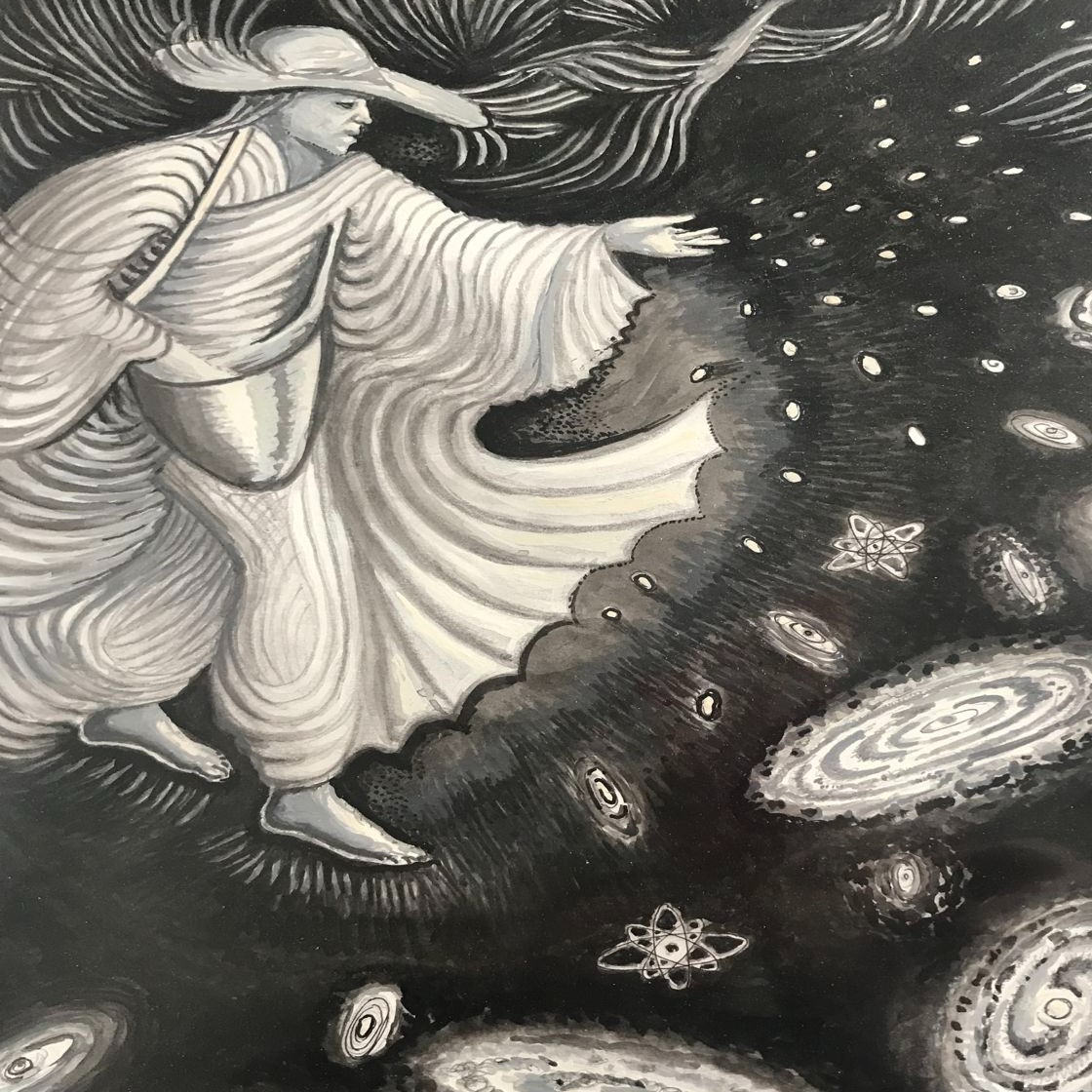
S2 Ep 20. Beethoven. Part 2. Death and resurrection. episode artwork

EPISODE · Dec 6, 2019 · 29 MIN

S2 Ep 20. Beethoven. Part 2. Death and resurrection.

from The Quest: Vision in an Age of Crisis. Jungian Psychotherapy · host Alan Mulhern

Beethoven’s music put the struggle of the individual, the agony and ecstatic flight, at the centre of the performance. Music in his hands was being reshaped forming a new stage of human consciousness. This is the journey of the hero – hence the title: the Eroica. It may start with Napoleon and the politics of the day, it proceeds through the individual struggle of the greatest living composer rapidly going deaf and faced with suicide; but it then reaches out to the archetypal and transcendent. The second movement, our topic in this episode, begins with the famous funeral march - the world’s greatest? Beethoven’s second movement divides in two parts – the death of the hero and the experience of 'resurrection'. The funeral march can then be thought of a descent into a symbolic death (depression, stagnation, loss, trauma and so on), which in this movement, amazingly, has a turning point and a rebirth. Thanks to the BBC radio 3 recording of Beethoven’s 3rd symphony 2005 and made available on the Internet Archive on a Creative Commons label. All musical extracts in these podcasts taken from that source.    https://archive.org/details/BBCSymphony3Beethoven_1

Beethoven’s music put the struggle of the individual, the agony and ecstatic flight, at the centre of the performance. Music in his hands was being reshaped forming a new stage of human consciousness. This is the journey of the hero – hence the title: the Eroica. It may start with Napoleon and the politics of the day, it proceeds through the individual struggle of the greatest living composer rapidly going deaf and faced with suicide; but it then reaches out to the archetypal and transcendent. The second movement, our topic in this episode, begins with the famous funeral march - the world’s greatest? Beethoven’s second movement divides in two parts – the death of the hero and the experience of 'resurrection'. The funeral march can then be thought of a descent into a symbolic death (depression, stagnation, loss, trauma and so on), which in this movement, amazingly, has a turning point and a rebirth. Thanks to the BBC radio 3 recording of Beethoven’s 3rd symphony 2005 and made available on the Internet Archive on a Creative Commons label. All musical extracts in these podcasts taken from that source.    https://archive.org/details/BBCSymphony3Beethoven_1

NOW PLAYING

S2 Ep 20. Beethoven. Part 2. Death and resurrection.

0:00 29:51

No transcript for this episode yet

We transcribe on demand. Request one and we'll notify you when it's ready — usually under 10 minutes.

Frequently Asked Questions

How long is this episode of The Quest: Vision in an Age of Crisis. Jungian Psychotherapy?

This episode is 29 minutes long.

When was this The Quest: Vision in an Age of Crisis. Jungian Psychotherapy episode published?

This episode was published on December 6, 2019.

What is this episode about?

Beethoven’s music put the struggle of the individual, the agony and ecstatic flight, at the centre of the performance. Music in his hands was being reshaped forming a new stage of human consciousness. This is the journey of the hero – hence the...

Can I download this The Quest: Vision in an Age of Crisis. Jungian Psychotherapy episode?

Yes, you can download this episode by clicking the download button on the episode player, or subscribe to the podcast in your preferred podcast app for automatic downloads.
URL copied to clipboard!