
EPISODE · Jul 20, 2026 · 53 MIN
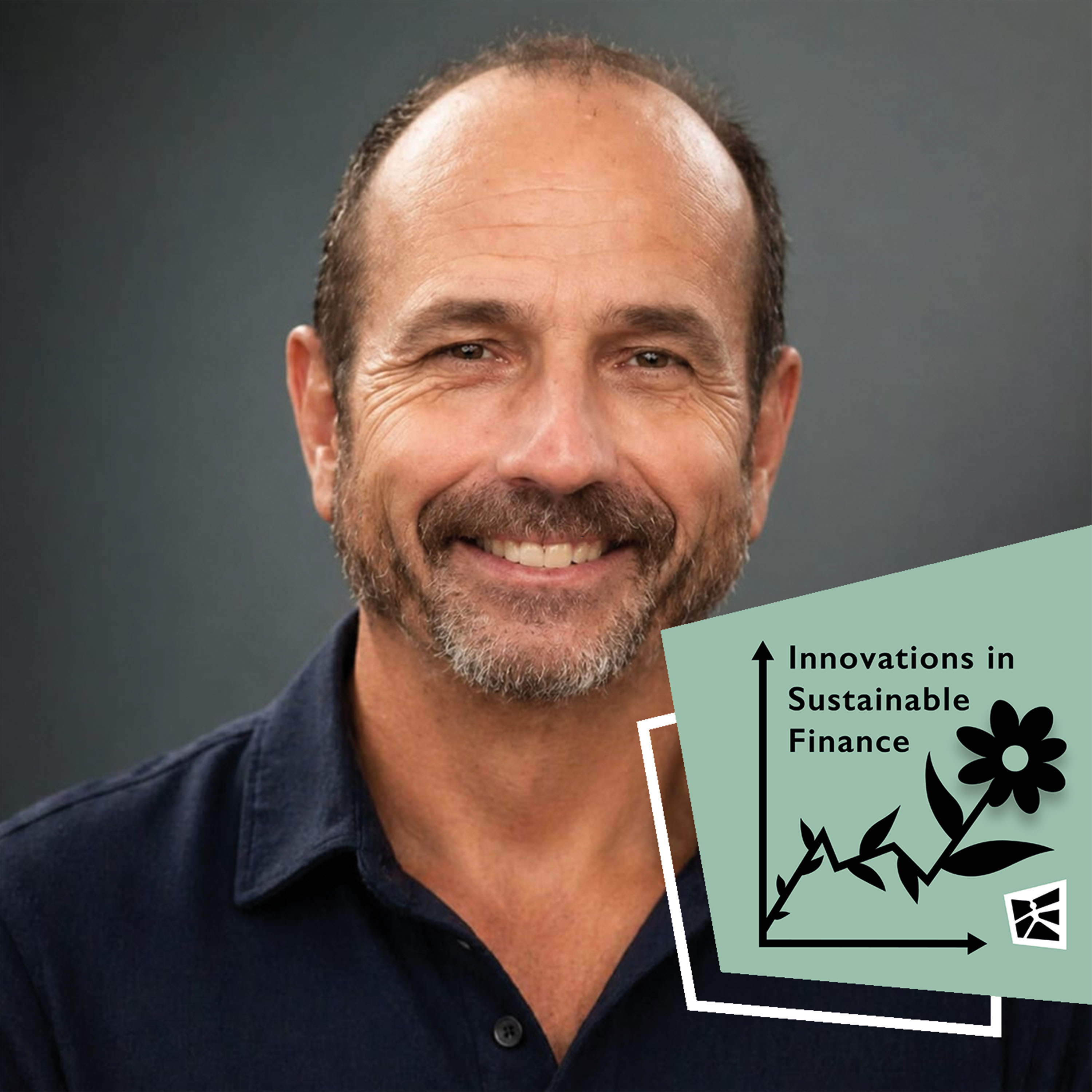
S3-E8: Mortgage Finance for Africa with Glen Jordan
from Innovations in Sustainable Finance
In this episode of Innovations in Sustainable Finance, I speak with Glen Jordan, co-founder of Empowa, about a question that sounds simple and turns out not to be: why can most families in Africa not borrow to buy a home? We talk about how an informal income can be made bankable, why Empowa builds homes that can be moved, and what it would take for investors to treat African housing as a real asset class.My three key takeaways were:The problem is product fit, not poverty. Around 85% of income in emerging markets is informal, meaning variable, intermittent and mostly unrecorded. Think of a taxi driver: the money comes in daily and largely in cash, so it never becomes a record anyone will lend against. A mortgage asks for formal proof of income and twenty years of consistent payments, so the only housing finance product on offer excludes almost everyone. Glen makes it concrete: when Empowa started in Mozambique there were 600 mortgages in a country of 31 million people. Even in Kenya it is about 31,000 for 50 million, with mortgage debt at 1 to 3% of GDP against roughly 80% in developed markets.Making informal income legible is what unlocks the capital. Empowa turns the mobile money payments people already make into a verifiable track record, and structures the deal as rent-to-own, so every payment builds equity instead of disappearing into rent. The homes are modular, which means they can be relocated if a land title turns out to be disputed. The results so far are striking: an effective rate of 12% a year in Mozambique against a market mortgage rate of 29%, and 100% portfolio performance, because a family building an asset they could not otherwise reach will work hard to keep it.This has to come from outside the banking system. Glen argues the binding constraint is understanding rather than capital. The people making the decisions, as he puts it, sit in air-conditioned offices, drink cappuccino and work on MacBooks, while banks ask for data the informal sector cannot yet produce. His analogy is unsecured lending, which did not emerge from within banking either and only became mainstream later.What stayed with me is Glen's insistence that none of this is fixed. These systems, as he says, were not ordained by God; they are man-made, and they can be changed. With a listing planned to open the structure to pension funds, the test now is whether capital markets will treat affordable African housing as an asset class rather than a cause.For anyone who wants to dig deeper, Empowa's platform and housing projects are documented here: https://empowa.ioSpotify: Innovations in Sustainable FinanceApple Podcasts: Innovations in Sustainable FinanceWebsite: Podcast Innovations in Sustainable Finance | unisg.ch
Embed this episode
NOW PLAYING
S3-E8: Mortgage Finance for Africa with Glen Jordan
No transcript for this episode yet
Similar Episodes
No similar episodes found.
Similar Podcasts
No similar podcasts found.