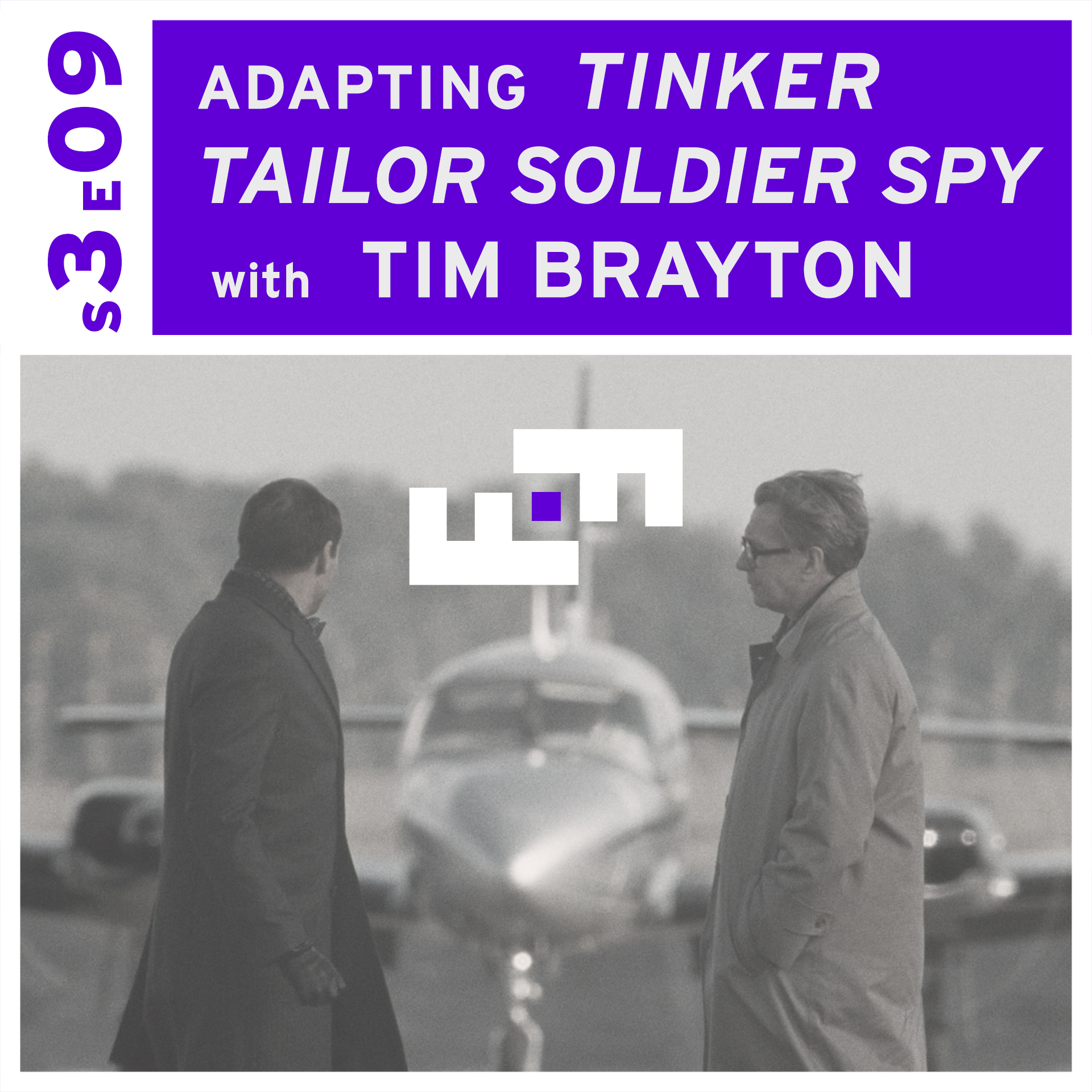
S3E09 - Adapting Tinker Tailor Soldier Spy with Tim Brayton episode artwork

EPISODE · Mar 23, 2021 · 1H 24M

S3E09 - Adapting Tinker Tailor Soldier Spy with Tim Brayton

from Film Formally · host Will Ross & Devan Scott

Adapting literary works to the screen involves a certain amount of translation. There are certain things that are easily conveyed in writing that cannot be conveyed in a straightforward way onscreen; likewise, there are elements of cinematic language that open up new routes to expression. John Le Carre’s Tinker Tailor Soldier Spy is a useful case study in this regard: it has been the subject of two acclaimed adaptations that could not be more distinct in the toolkit each uses to translate book to screen. We’ve invited Tim Brayton, film critic at Alternate Ending, to discuss both the 1979 John Irving adaptation as well as Tomas Alfredson’s 2011 take. In this episode, we discuss: Literary accuracy versus formal expressiveness in adaptation. Focal lengths, zoom lenses, and the observational mode. 1970s BBC television house style: is it any good? Narrative obscurity. John Le Carre’s stylistic toolit as a writer and the challenges it poses for adaptations. The construction of performances through lighting and framing. Mark Strong: MVP? If you’d like to support the show, here’s a link to our Patreon. Works discussed during this episode: The Spy Who Came in From the Cold (1965) Tinker Tailor Soldier Spy (1979) Smiley’s People (1982) The Little Drummer Girl (1984) The Tailor Of Panama (2001) Tinker Tailor Soldier Spy (2011) A Most Wanted Man (2014)

Adapting literary works to the screen involves a certain amount of translation. There are certain things that are easily conveyed in writing that cannot be conveyed in a straightforward way onscreen; likewise, there are elements of cinematic language that open up new routes to expression. John Le Carre’s Tinker Tailor Soldier Spy is a useful case study in this regard: it has been the subject of two acclaimed adaptations that could not be more distinct in the toolkit each uses to translate book to screen. We’ve invited Tim Brayton, film critic at Alternate Ending, to discuss both the 1979 John Irving adaptation as well as Tomas Alfredson’s 2011 take. In this episode, we discuss: Literary accuracy versus formal expressiveness in adaptation. Focal lengths, zoom lenses, and the observational mode. 1970s BBC television house style: is it any good? Narrative obscurity. John Le Carre’s stylistic toolit as a writer and the challenges it poses for adaptations. The construction of performances through lighting and framing. Mark Strong: MVP? If you’d like to support the show, here’s a link to our Patreon. Works discussed during this episode: The Spy Who Came in From the Cold (1965) Tinker Tailor Soldier Spy (1979) Smiley’s People (1982) The Little Drummer Girl (1984) The Tailor Of Panama (2001) Tinker Tailor Soldier Spy (2011) A Most Wanted Man (2014)

NOW PLAYING

S3E09 - Adapting Tinker Tailor Soldier Spy with Tim Brayton

0:00 1:24:21

No transcript for this episode yet

We transcribe on demand. Request one and we'll notify you when it's ready — usually under 10 minutes.

Frequently Asked Questions

How long is this episode of Film Formally?

This episode is 1 hour and 24 minutes long.

When was this Film Formally episode published?

This episode was published on March 23, 2021.

What is this episode about?

Adapting literary works to the screen involves a certain amount of translation. There are certain things that are easily conveyed in writing that cannot be conveyed in a straightforward way onscreen; likewise, there are elements of cinematic...

Can I download this Film Formally episode?

Yes, you can download this episode by clicking the download button on the episode player, or subscribe to the podcast in your preferred podcast app for automatic downloads.
URL copied to clipboard!