Welcome to the Tweed Trends podcast. Hey, Evette, what's trending today? Hey, I'm Evette, hey girl, and you are tuned in to Tweed Trends. It's the quickest way to find out what's trending today.
Today, I want to talk about sacrifice and service. Let's get started. Hello there, and welcome back to Tweed Trends. Today's episode is a little bit different because rather than talking about my own information, I'm going to talk about another podcast today, and this podcast, the name of it, is called Healing for your Thoughts.
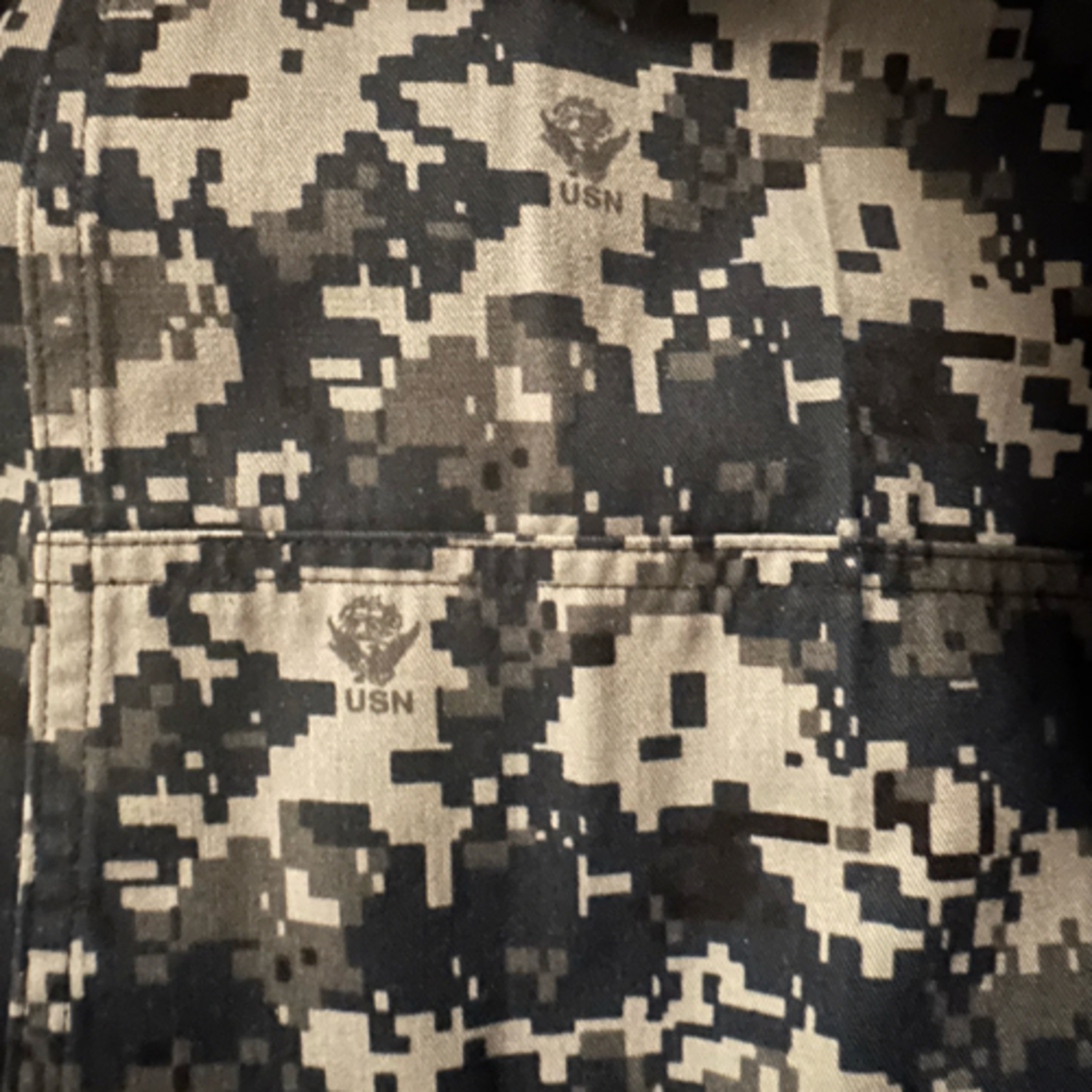
Her name is Charlottea Harvey. She's one of my friends, and she invited me along with two other ladies to be on the show, and the title of this episode was, We Don't Wear the Uniform, but Sacrifice is our service. So let that sink in a little. We don't wear the uniform, but Sacrifice is our service.
If you hadn't figured it out yet, it's a military-focused episode. Of the three of us, one of the young ladies was a military brat, and we use that phrase, that term, affectionately. The other one is a military spouse, and then there's me. I fall on both sides of the house.
So we had different aspects of military families represented, and I'm telling you, in talking with other people that have military as a part of their family, their family, what's the word I'm looking for? The fabric of their family, if you will? Powerful conversations can come out of it, because there are so many different things that each one of us has gone through in our own right, in our own time. Some of the stuff is very similar.
Some of the stuff is completely unique to each one of us, but it's all a part of the military experience that a lot of people, they just don't understand it. They think they know, but they don't know. So I want to talk about this episode, and some of the things that kind of came to light in the conversation that the four of us had, because Charlita also is a military spouse. And so, yeah, I want to touch on that today.
The other two ladies, Ruth, Angela, and then myself, we were asked a series of questions, and one of the questions was asking us if it was something we could change. What would it be, if anything, and why? Honestly, I couldn't think of anything initially. But the more I listened, I did actually come up with an answer, which I think was pretty good for myself.
But Angela said something that caught me off guard, because, let me just tell you what it was. It was dealing with staying at home versus continuing to work. And the statement she said was that daycare is an investment in yourself. And when I tell you she said that, and I had to sit down for a second, like, whoa, let me process that for a second, because my own personal situation, my mother was a military spouse, and she had recommended to me.
She's like, you know, if you guys can swing it, I recommend you stay home. Just saying. And, you know, I took it on good authority. My mom, she had three kids.
She stayed home until I came along and was school-aged, and then she went back to work. She seemed fine about it, and so I'm like, okay, I think I can do this. And then the more I looked at it, and I started seeing how much daycare was, I'm like, oh, for sure, mom, this is exactly what I'm doing, because if I did go to work, all I would be doing is working to pay for daycare. And to me, that was just bonkers.
That didn't make any sense. No, not doing it. I'm going to stay home. But when Angela said what she said, I was like, oh, wow, nobody put it that way before for me to think about it like that.
But basically what she was saying is that when you invest in your child going to daycare, you're investing in yourself because you still get to do the things that make you who you are. The things that you do, the work going, having adult conversations with people, having some outside life other than just right there in the house. And like I said, the more I thought about it, I was like, you know, that's an angle that probably needs to be presented to couples where either the spouse is in the military already or is getting ready to go into the military. That's an angle to consider.
I never looked at it that way, but hearing her say that, then I thought back to comments that I made about my resume looking like Swiss cheese. I got all these holes in it. You know, got lots of volunteer stuff in there, but not a whole lot of what I had been doing prior to, you know, so yeah, that gave me a lot to think about. Now, the other thing that I want to talk about that came out of this conversation was a question about wartime deployments and how it affected us and our families.
And so I actually didn't get to answer this when we ran out of time on the episode, but the other two ladies did and listening to them give their answer one from the child perspective and one from the spouse perspective. I realized something terribly bad about my own situation. I never calculated the cost or the sacrifice that I was actually making when I married my husband knowing that he was in military. Now, he signed a contract.
And so he knew what he was signing up for. But when I signed our marriage certificate, I didn't factor in the idea that he's actually in the military. In my mind, for some strange reason, maybe sat a little bit different. It meant in my mind that he's going to be on a boat.
So while people like my dad, Army, boots on the ground, they're going to be the ones fighting. My husband's going to be chilling on a boat, sending airplanes over to do whatever. He's going to be cool over here. Now, the crazy part is it's not like I had never heard of a little thing called Pearl Harbor.
It's not like I'd never heard of that. But for some reason, it was like, oh, but that happened back in the day. Stuff like that's not going to happen now. What was I thinking?
There was a serious sacrifice that I was making because should something have happened to my husband, then that thing that happened to him was going to happen to me and the rest of the family. And I hadn't calculated that cost. Now, from the time that we got married, there was no war activity that my husband was involved in. However, his ship did catch on fire, and it was a pretty serious thing.
Now, when you think of a huge ship catching on fire, what vision comes to mind? What does that look like? What does a boat in water look like on fire? That almost seems like, how in the world could that happen?
You don't have all the water that you could ever want. You can just put it out. But it depends on what type of fire it is, right? This fire was so bad that the steel was warping and melting below their feet.
Wow. In this case, in this instance, I did fear for my husband's safety because in my mind, it's like, well, he's on the ship. The ship caught on fire. Ships have fuel in it and all sorts of other stuff.
They have a reactor and there's a lot of combustible things on a ship. So this is not ideal. But once again, in that, it wasn't until that ship caught on fire that my eyes started to be open and it's like, oh, wow, he actually could get hurt. This could go way wrong.
And so this is yet another thing that I really think couples should be made aware of just so that you have it in your mind. Don't think, because you haven't seen it in your time, that it can't happen. Because one thing that a military spouse or a military child knows beyond the shadow of a doubt, whenever things can go wrong, they will at the worst possible time. Murphy's law is in full effect when it comes to military families.
So to say that it's going to be a better roses, no, no, no. Don't ever say that. Because if you want your feelings to be hurt, sit around and think that for a long time and something's going to roll around. Something's going to come your way.
It's going to let you know that you didn't have, and you weren't anywhere close with your idea. Thank you so much for joining me for today's episode. Once again, that show that we were on is called Healing for Your Thoughts. And the episode title is We Don't Wear the Uniform, but Sacrifice is Our Service.
And I'm telling you, this conversation was great for me. But, you know, sometimes these conversations, although they may be good because they're comforting to know that you're not the only one that experienced some stuff, sometimes it can be bad because it might be a little triggering when you hear somebody telling their story and then you reflect on where you've been and what you had to endure. So, although our spouses and our parents, they may wear color devices to let other people know their rank and what, you know, what branch they're in and everything. But as a child, as a spouse, ours is a little bit different.
It's not an outward show. It's an inward thing. It's like we have the battle scars inward. And nobody would ever know until we actually share, until somebody where we've been, what we've done and how we got over.
You know? So, once again, thank you for joining me. I'd say definitely check out Charlita's podcast and I'd love to know what you think about it. You know what to find me, Twitter and Instagram at hevat.
That's at h-e-v-e-t-t-e or just look for the hashtag tweet trends. Have a good one.