Saturday of the Fourth Week of Lent - Trusting in God’s Providence episode artwork

EPISODE · Mar 20, 2026 · 7 MIN

Saturday of the Fourth Week of Lent - Trusting in God’s Providence

from Catholic Daily Reflections · host My Catholic Life!

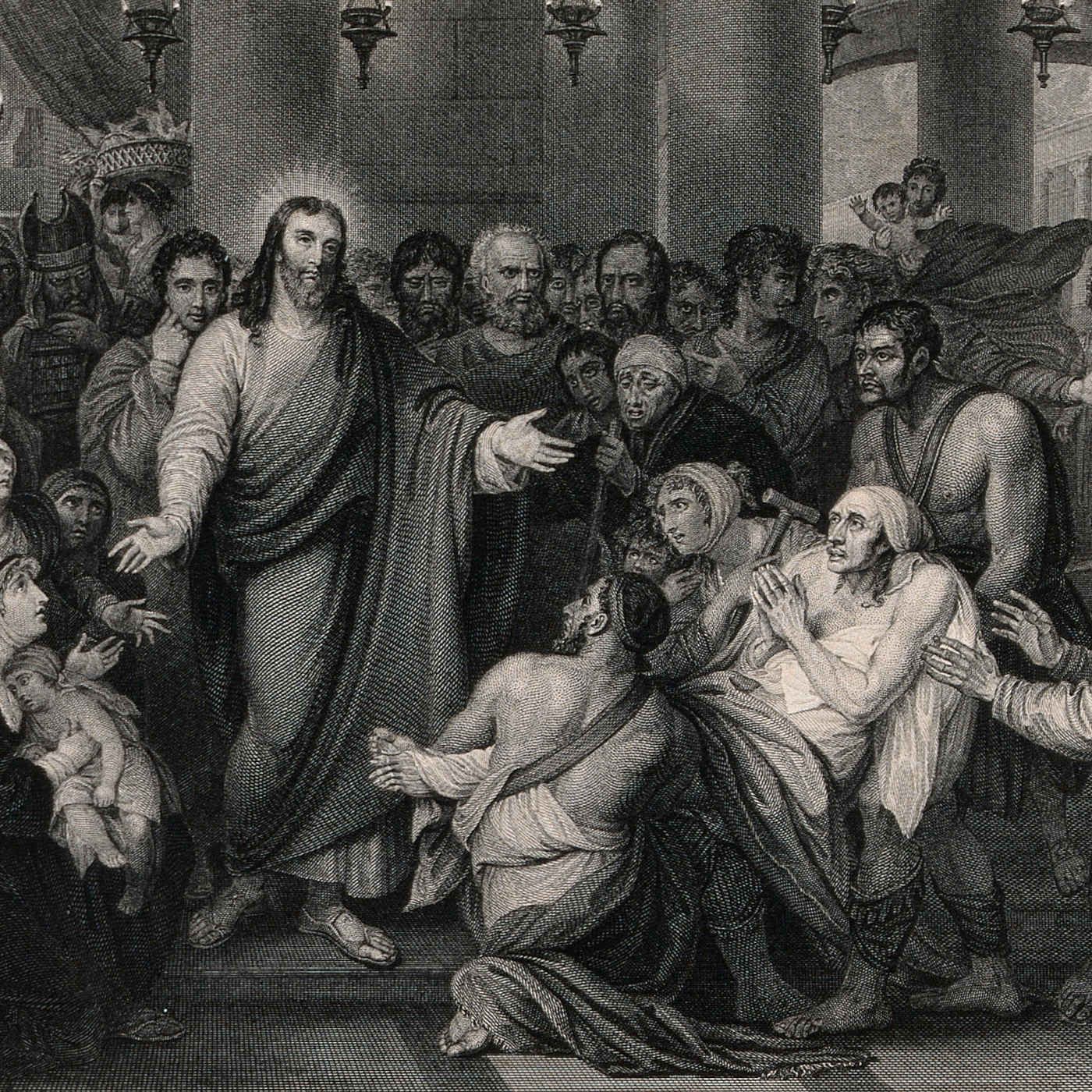
Read OnlineSome in the crowd who heard these words of Jesus said, “This is truly the Prophet.” Others said, “This is the Christ.” But others said, “The Christ will not come from Galilee, will he? Does not Scripture say that the Christ will be of David's family and come from Bethlehem, the village where David lived?” So a division occurred in the crowd because of him. John 7:40–43Today’s Gospel takes place on the last and greatest day of the Feast of Tabernacles, also known as the Feast of Booths. This annual celebration was one of three major feasts when many Jews made a pilgrimage to the Temple. For seven days, they lived in temporary shelters—booths—as a reminder of God’s providence and protection during their forty years of wandering in the wilderness. It was also a time to give thanks for the year’s harvest, recognizing God’s ongoing provision.The eighth day, following the seven days of Sukkot, was known as Shemini Atzeret, a solemn assembly focused on prayers, especially for rain for the coming year’s crops—another acknowledgment of dependence on God. It was likely during this festival that “Jesus stood up and exclaimed, ‘Let anyone who thirsts come to me and drink’” (John 7:37). That exclamation comes just prior to today’s Gospel, which shows the varied responses of the people who heard Jesus’ words.The context of the Feast of Tabernacles and its religious meaning are crucial to understanding the significance of Jesus’ declaration. One of the central rituals of Sukkot was the daily water-drawing ceremony in which water from the Pool of Siloam was carried to the Temple and poured out before the altar. This act symbolized thanksgiving for God’s provision of water during the Israelites’ time in the wilderness and a prayer for rain for the crops. It also evoked messianic hope, recalling prophetic visions of spiritual renewal when living water would flow from the Temple: “I saw water flowing out from under the threshold of the temple” (cf. Ezekiel 47:1–12) and “fresh water will flow from Jerusalem” (Zechariah 14:8).By this time, many scribes, Pharisees, and religious leaders were already plotting against Jesus. They condemned Him for performing miracles on the Sabbath, speaking with divine authority, and making claims that suggested equality with God. There was much speculation about whether Jesus would attend the festival, and He did, initially in secret (John 7:10). By the middle of the feast, He appeared publicly in the Temple, boldly preaching and teaching. On the final day, He identified Himself as the source of the living water that would quench the spiritual thirst of God’s people, fulfilling the ancient prophecies. This caused an uproar, leading to divided reactions.Some believed He was “the Prophet” or “the Christ.” Others doubted, knowing Jesus was from Nazareth, and the Messiah was expected to come from Bethlehem. This shows that many were unaware that Jesus was born in Bethlehem and was a descendant of David’s line.This Feast of Tabernacles occurred about six months before the Feast of Passover, when Jesus would be arrested and crucified. In the intervening months, the controversy surrounding Him deepened as the religious leaders continued plotting, while Jesus performed more miracles and delivered urgent teachings about the need to believe in Him as the Messiah. In some ways, the Feast of Tabernacles marked the beginning of the end.Reflect today on the controversy Jesus sparked at the Feast of Tabernacles. Each of us must choose a side. There is no room for middle ground. Either Jesus is the Messiah, and we must follow Him wholeheartedly, or He is not. There is no place for complacency or mediocrity. Jesus is the Living Water, the one and only source of divine provision. Stand with Him and be counted among those who boldly proclaim Him as the Christ of God, so that He may provide for you, just as He sustained the Israelites during their forty years in the desert.My providential Lord, You and You alone are the source of Living Water that refreshes and renews my soul. Only in You do I find eternal salvation, for You are the Messiah and Christ of God. Please give me courage and wisdom so that I will trust You and rely upon Your ongoing providence in my life. Jesus, I do trust in You.Image: See page for author, CC BY 4.0, via Wikimedia CommonsSource: Free RSS feed from catholic-daily-reflections.com — Copyright © 2026 My Catholic Life! Inc. All rights reserved. This content is provided solely for personal, non-commercial use. Redistribution, republication, or commercial use — including use within apps with advertising — is strictly prohibited without written permission.

Read OnlineSome in the crowd who heard these words of Jesus said, “This is truly the Prophet.” Others said, “This is the Christ.” But others said, “The Christ will not come from Galilee, will he? Does not Scripture say that the Christ will be of David's family and come from Bethlehem, the village where David lived?” So a division occurred in the crowd because of him. John 7:40–43Today’s Gospel takes place on the last and greatest day of the Feast of Tabernacles, also known as the Feast of Booths. This annual celebration was one of three major feasts when many Jews made a pilgrimage to the Temple. For seven days, they lived in temporary shelters—booths—as a reminder of God’s providence and protection during their forty years of wandering in the wilderness. It was also a time to give thanks for the year’s harvest, recognizing God’s ongoing provision.The eighth day, following the seven days of Sukkot, was known as Shemini Atzeret, a solemn assembly focused on prayers, especially for rain for the coming year’s crops—another acknowledgment of dependence on God. It was likely during this festival that “Jesus stood up and exclaimed, ‘Let anyone who thirsts come to me and drink’” (John 7:37). That exclamation comes just prior to today’s Gospel, which shows the varied responses of the people who heard Jesus’ words.The context of the Feast of Tabernacles and its religious meaning are crucial to understanding the significance of Jesus’ declaration. One of the central rituals of Sukkot was the daily water-drawing ceremony in which water from the Pool of Siloam was carried to the Temple and poured out before the altar. This act symbolized thanksgiving for God’s provision of water during the Israelites’ time in the wilderness and a prayer for rain for the crops. It also evoked messianic hope, recalling prophetic visions of spiritual renewal when living water would flow from the Temple: “I saw water flowing out from under the threshold of the temple” (cf. Ezekiel 47:1–12) and “fresh water will flow from Jerusalem” (Zechariah 14:8).By this time, many scribes, Pharisees, and religious leaders were already plotting against Jesus. They condemned Him for performing miracles on the Sabbath, speaking with divine authority, and making claims that suggested equality with God. There was much speculation about whether Jesus would attend the festival, and He did, initially in secret (John 7:10). By the middle of the feast, He appeared publicly in the Temple, boldly preaching and teaching. On the final day, He identified Himself as the source of the living water that would quench the spiritual thirst of God’s people, fulfilling the ancient prophecies. This caused an uproar, leading to divided reactions.Some believed He was “the Prophet” or “the Christ.” Others doubted, knowing Jesus was from Nazareth, and the Messiah was expected to come from Bethlehem. This shows that many were unaware that Jesus was born in Bethlehem and was a descendant of David’s line.This Feast of Tabernacles occurred about six months before the Feast of Passover, when Jesus would be arrested and crucified. In the intervening months, the controversy surrounding Him deepened as the religious leaders continued plotting, while Jesus performed more miracles and delivered urgent teachings about the need to believe in Him as the Messiah. In some ways, the Feast of Tabernacles marked the beginning of the end.Reflect today on the controversy Jesus sparked at the Feast of Tabernacles. Each of us must choose a side. There is no room for middle ground. Either Jesus is the Messiah, and we must follow Him wholeheartedly, or He is not. There is no place for complacency or mediocrity. Jesus is the Living Water, the one and only source of divine...

NOW PLAYING

Saturday of the Fourth Week of Lent - Trusting in God’s Providence

0:00 7:03

No transcript for this episode yet

We transcribe on demand. Request one and we'll notify you when it's ready — usually under 10 minutes.

Christadelphian Encouragements CE.captivate.fm Christadelphian Encouragements provides sermons, exhortations, bible studies, memorials, and daily readings from around the world. Please visit ChristadelphianEncouragements.Com and our content creators websites for more information and Christian audio content. LE HAWKESBURY SOCIAL ’BACK TO LIFE’ ADAM STACEY Welcome to the ‘Le Hawkesbury Social’, 'Back to Life’ a space where we celebrate life in all its colors: happiness, joy, love, connection, and even the moments of sadness that make us human. A space where we celebrate life in all its colors: happiness, joy, love, connection, and even the moments of sadness that make us human. Hosted by a passionate mental health advocate, this show dives deep into the topics that truly matter to today’s culture and community. Each episode offers honest conversations, thoughtful reflections, and real stories that bring people together. Whether you’re here for mental health discussions, community connections, or just looking to feel seen and heard in a fast-paced world, you’re in the right place. Adam believes in building a diverse and inclusive community where voices from every background can come together, share, and support one another. That’s why every Wellness Podcast, we open the mic to local community partners, support services, and inspiring voi Westenberg Joan Westenberg The Westenberg Podcast offers ideas, explainers, book notes, and reflections on technology, philosophy, and the human experience. Hosted by Joan Westenberg, each episode unpacks complex topics with clarity and depth, blending personal insights with thought-provoking analysis. It’s a space for exploring big questions and fresh perspectives in an accessible format. Gooday Gaming Guests FFF Gaming Emporium These are my Daily Messages in a Bottle sent over the internet Ocean for anyone to find. Listen to a Quick 20-minute Journey into my Life's Passions Work a Few Times a Day. I am 57. I Grew Up on All Gaming and Computing. I am a Seller of Gaming Parts on eBay and Etsy. In the past 8 years, I have learned about every system ever made. I am also an Enthusiast, Collector and Hobbyist of all Vintage Computing from the Very Beginning. In the last Few Years, I have been sharing my knowledge with others on YouTube, TikTok and Now this Pod Cast.See where all the Magic Happens:FFF Gaming Emporium | eBay Storeshttps://www.youtube.com/channel/UCDrdCmDQ52AsCWTWAhE7JEQ/<a target="_blank" rel="noopener noreferrer nofollow" href="https://www

Frequently Asked Questions

How long is this episode of Catholic Daily Reflections?

This episode is 7 minutes long.

When was this Catholic Daily Reflections episode published?

This episode was published on March 20, 2026.

What is this episode about?

Read OnlineSome in the crowd who heard these words of Jesus said, “This is truly the Prophet.” Others said, “This is the Christ.” But others said, “The Christ will not come from Galilee, will he? Does not Scripture say that the Christ will be of...

Can I download this Catholic Daily Reflections episode?

Yes, you can download this episode by clicking the download button on the episode player, or subscribe to the podcast in your preferred podcast app for automatic downloads.
URL copied to clipboard!