
EPISODE · Apr 23, 2026 · 3 MIN
Semiconductor windfall exposes risks as unions press for bonuses
from Korea JoongAng Daily - Daily News from Korea
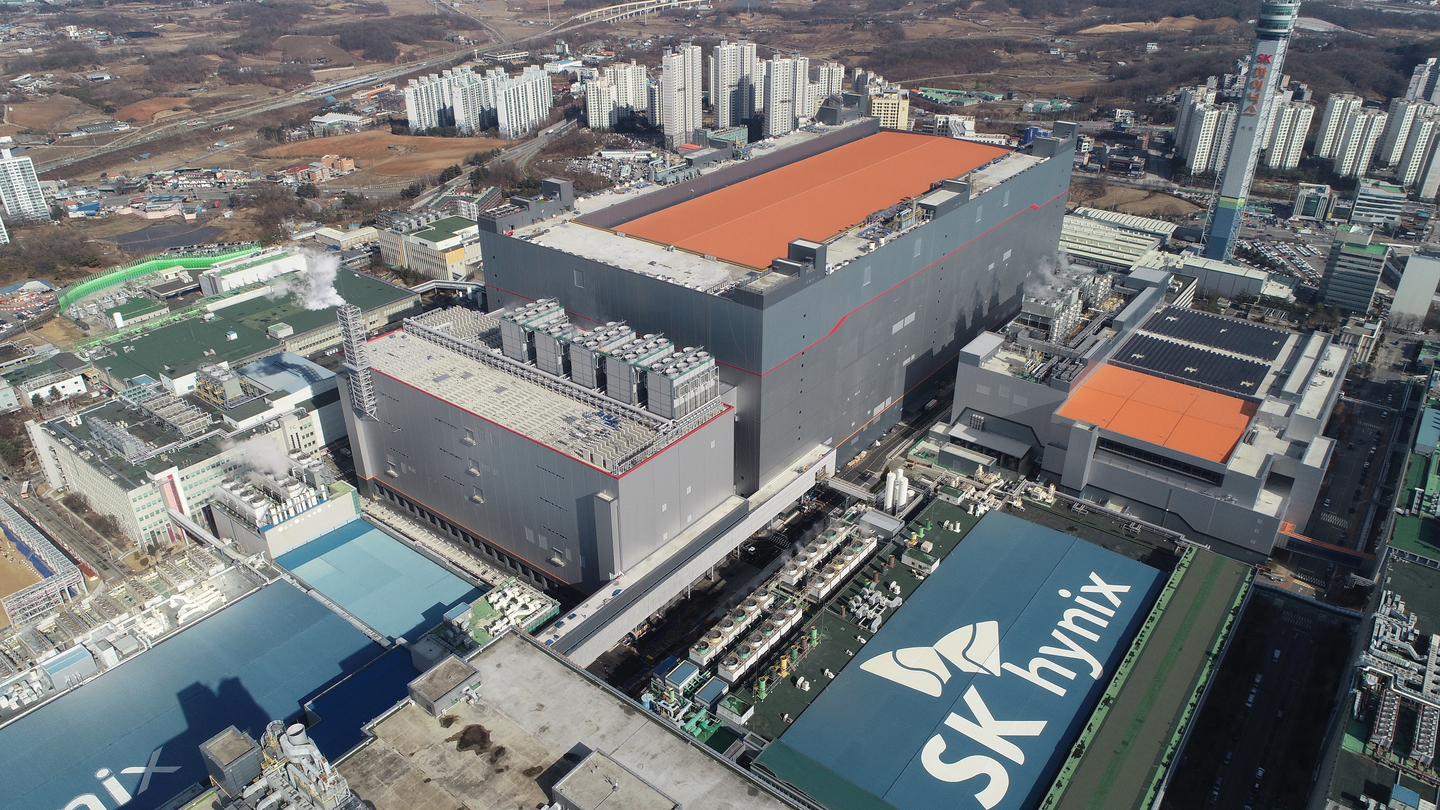
Samsung Electronics and SK hynix both posted record results for the first quarter, underscoring the strength of Korea's semiconductor industry. SK hynix reported operating profit exceeding 37 trillion won, with a striking operating margin of 72 percent, outperforming many global technology firms in profitability. The memory supercycle driven by the artificial intelligence boom has also lifted Korea's broader economy. According to the Bank of Korea, gross domestic product grew 1.7 percent from the previous quarter, the highest level in more than five years, supported by a 5.1 percent increase in exports led by semiconductors. The rebound in growth and strong semiconductor performance are welcome. At the same time, they highlight the deepening dependence of Korea's economy on a single sector and the risk of a misleading sense of recovery. Semiconductors accounted for 55 percent of overall growth in the first quarter. Without them, growth would have been cut by more than half. Exports excluding semiconductors actually declined, suggesting that the recovery remains uneven. Other industries tell a different story. Hyundai Motor reported an operating profit drop of more than 30 percent from a year earlier, affected by U.S. tariffs and the spillover from the Middle East conflict. While manufacturing output rose 3.9 percent, the service sector grew only 0.4 percent. The headline data suggest improvement, but the gap between sectors has widened. Additional pressure from high oil prices and a weak won is expected to emerge more clearly from the second quarter. Against this backdrop, demands are rising across the economy. A labor union at Samsung Electronics has threatened a strike, calling for bonuses equivalent to 15 percent of operating profit. The union held a large rally at the company's Pyeongtaek facility, where its leader argued that halting production for 18 days could result in losses approaching 18 trillion won, describing this as a measure of the workers' value. In politics, competing pledges to attract semiconductor plants have also intensified ahead of local elections. Yet the current moment calls for caution. Rather than focusing on dividing the gains from a temporary boom, the priority should be to expand the foundations for future growth. Jin Dae-je, a former president of Samsung Electronics, said in a recent interview that both the company and the country should prepare for potential downturns. The current upturn will not last indefinitely, and it is during periods of strong performance that investment in new growth engines and structural reforms should be pursued. The semiconductor boom has provided Korea with a narrow window of opportunity. How that time is used will determine whether the current gains translate into sustained competitiveness or fade once the cycle turns. This article was originally written in Korean and translated by a bilingual reporter with the help of generative AI tools. It was then edited by a native English-speaking editor. All AI-assisted translations are reviewed and refined by our newsroom.
What this episode covers
Samsung Electronics and SK hynix both posted record results for the first quarter, underscoring the strength of Korea's semiconductor industry. SK hynix reported operating profit exceeding 37 trillion won, with a striking operating margin of 72 percent, outperforming many global technology firms in profitability. The memory supercycle driven by the artificial intelligence boom has also lifted Korea's broader economy. According to the Bank of Korea, gross domestic product grew 1.7 percent from the previous quarter, the highest level in more than five years, supported by a 5.1 percent increase in exports led by semiconductors. The rebound in growth and strong semiconductor performance are welcome. At the same time, they highlight the deepening dependence of Korea's economy on a single sector and the risk of a misleading sense of recovery. Semiconductors accounted for 55 percent of overall growth in the first quarter. Without them, growth would have been cut by more than half. Exports excluding semiconductors actually declined, suggesting that the recovery remains uneven. Other industries tell a different story. Hyundai Motor reported an operating profit drop of more than 30 percent from a year earlier, affected by U.S. tariffs and the spillover from the Middle East conflict. While manufacturing output rose 3.9 percent, the service sector grew only 0.4 percent. The headline data suggest improvement, but the gap between sectors has widened. Additional pressure from high oil prices and a weak won is expected to emerge more clearly from the second quarter. Against this backdrop, demands are rising across the economy. A labor union at Samsung Electronics has threatened a strike, calling for bonuses equivalent to 15 percent of operating profit. The union held a large rally at the company's Pyeongtaek facility, where its leader argued that halting production for 18 days could result in losses approaching 18 trillion won, describing this as a measure of the workers' value. In politics, competing pledges to attract semiconductor plants have also intensified ahead of local elections. Yet the current moment calls for caution. Rather than focusing on dividing the gains from a temporary boom, the priority should be to expand the foundations for future growth. Jin Dae-je, a former president of Samsung Electronics, said in a recent interview that both the company and the country should prepare for potential downturns. The current upturn will not last indefinitely, and it is during periods of strong performance that investment in new growth engines and structural reforms should be pursued. The semiconductor boom has provided Korea with a narrow window of opportunity. How that time is used will determine whether the current gains translate into sustained competitiveness or fade once the cycle turns. This article was originally written in Korean and translated by a bilingual reporter with the help of generative AI tools. It was then edited by a native English-speaking editor. All AI-assisted translations are reviewed and refined by our newsroom.
NOW PLAYING
Semiconductor windfall exposes risks as unions press for bonuses
No transcript for this episode yet
Similar Episodes
No similar episodes found.
Similar Podcasts
No similar podcasts found.