Seoul apartment market faces triple instability episode artwork

EPISODE · May 17, 2026 · 3 MIN

Seoul apartment market faces triple instability

from Korea JoongAng Daily - Daily News from Korea

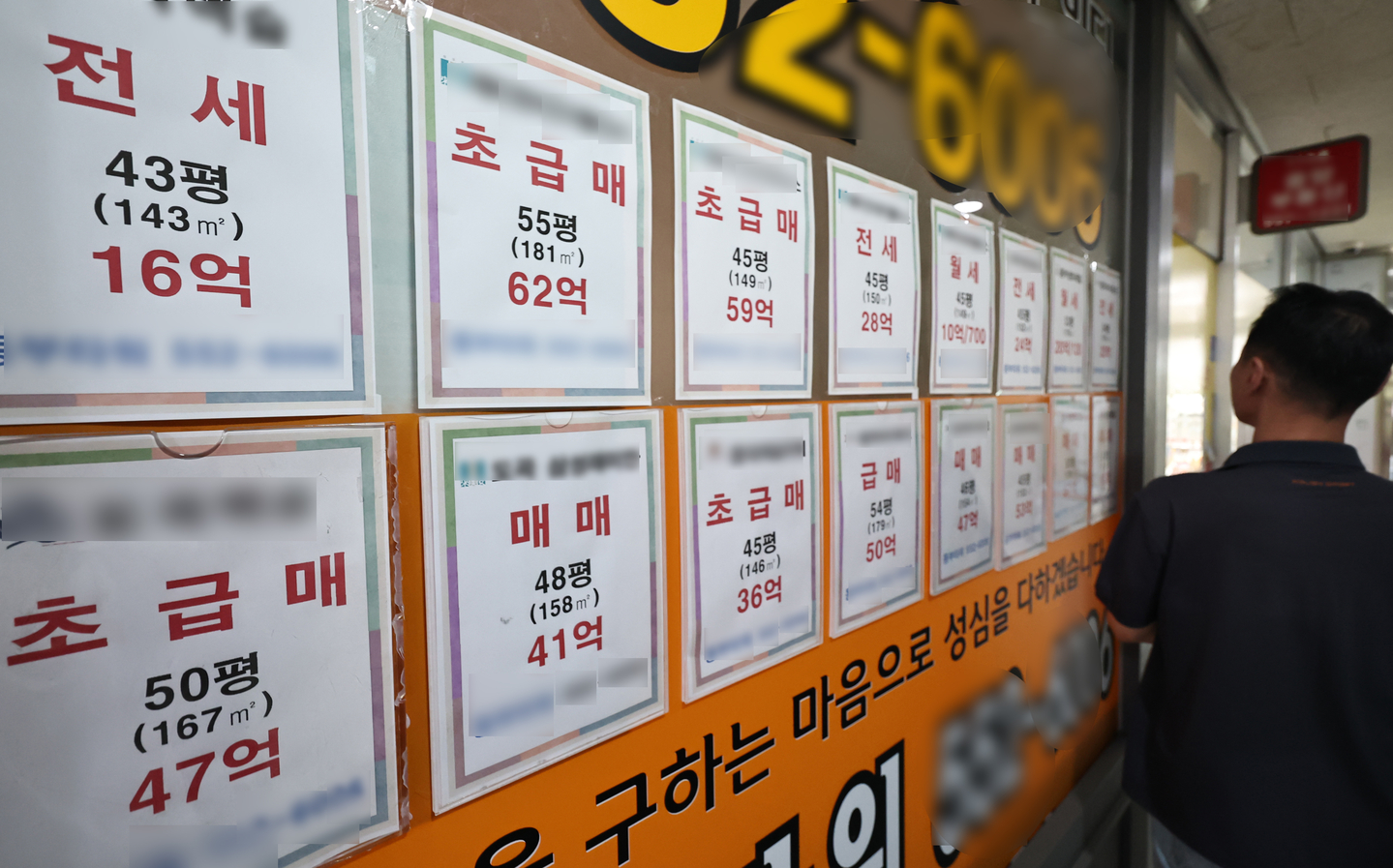
Anxiety is growing in Seoul's apartment market after the government reinstated heavier capital gains taxes on owners of multiple homes. Prices for apartment sales, jeonse (lump-sum) deposits and monthly rent are rising simultaneously, creating what many describe as a "triple surge" in the housing market. The sales market has tightened first, as listings declined sharply. According to the Korea Real Estate Board, Seoul apartment prices rose 0.28 percent in the second week of May, accelerating from 0.15 percent the previous week. Apartment prices in Gangnam District, southern Seoul, turned upward for the first time in 12 weeks, and gains also widened in parts of northern Seoul. The rental market appears even more unstable. In April, apartment sale prices in Seoul rose 0.55 percent, jeonse prices climbed 0.82 percent and monthly rents increased 0.74 percent. A shortage of newly completed apartment complexes, which traditionally provide most of the jeonse supply, has intensified pressure on tenants. The continued shift from jeonse contracts toward monthly rentals is also contributing to market instability. Last week, the government convened a ministerial meeting on real estate policy, during which it emphasized "a rapid supply expansion," including plans to accelerate public housing construction at the Taereung Country Club site. But such measures have done little to calm market anxiety. Most importantly, the Jan. 29 housing supply plan, which promised 60,000 housing units in major Seoul metropolitan areas, remains stalled because of delays in negotiations with local governments. Projects — including the Yongsan International Business District and the relocation of the Gwacheon horse racing track — have made little progress. There appears to be a growing sense among officials that major decisions can wait until after the June 3 local elections. If that continues, supply expansion will come far too late. The government also announced measures aimed at increasing apartment listings. Authorities said buyers of single-home properties in designated land transaction permit zones will be exempt from immediate occupancy requirements until current tenants' leases expire. Whether the measure will meaningfully increase supply remains uncertain. Demand-side risks also persist. Korea's M2 money supply has risen for five consecutive months, reinforcing perceptions that liquidity remains abundant. There is also concern that profits realized in the booming stock market could flow back into the apartment market in large volumes. Warning signs are emerging from both the supply and demand sides of the housing market. Policymakers must avoid sacrificing necessary policy responses in pursuit of votes ahead of the local elections. Campaign pledges that could further destabilize the housing market should be restrained as well. One example is the Democratic Party Seoul mayoral candidate's proposal to issue 2.5 trillion won ($1.7 billion) worth of local gift certificates. While one side of the government struggles to stabilize the housing market, another risks adding fuel to the fire. This article was originally written in Korean and translated by a bilingual reporter with the help of generative AI tools. It was then edited by a native English-speaking editor. All AI-assisted translations are reviewed and refined by our newsroom.

Anxiety is growing in Seoul's apartment market after the government reinstated heavier capital gains taxes on owners of multiple homes. Prices for apartment sales, jeonse (lump-sum) deposits and monthly rent are rising simultaneously, creating what many describe as a "triple surge" in the housing market. The sales market has tightened first, as listings declined sharply. According to the Korea Real Estate Board, Seoul apartment prices rose 0.28 percent in the second week of May, accelerating from 0.15 percent the previous week. Apartment prices in Gangnam District, southern Seoul, turned upward for the first time in 12 weeks, and gains also widened in parts of northern Seoul. The rental market appears even more unstable. In April, apartment sale prices in Seoul rose 0.55 percent, jeonse prices climbed 0.82 percent and monthly rents increased 0.74 percent. A shortage of newly completed apartment complexes, which traditionally provide most of the jeonse supply, has intensified pressure on tenants. The continued shift from jeonse contracts toward monthly rentals is also contributing to market instability. Last week, the government convened a ministerial meeting on real estate policy, during which it emphasized "a rapid supply expansion," including plans to accelerate public housing construction at the Taereung Country Club site. But such measures have done little to calm market anxiety. Most importantly, the Jan. 29 housing supply plan, which promised 60,000 housing units in major Seoul metropolitan areas, remains stalled because of delays in negotiations with local governments. Projects — including the Yongsan International Business District and the relocation of the Gwacheon horse racing track — have made little progress. There appears to be a growing sense among officials that major decisions can wait until after the June 3 local elections. If that continues, supply expansion will come far too late. The government also announced measures aimed at increasing apartment listings. Authorities said buyers of single-home properties in designated land transaction permit zones will be exempt from immediate occupancy requirements until current tenants' leases expire. Whether the measure will meaningfully increase supply remains uncertain. Demand-side risks also persist. Korea's M2 money supply has risen for five consecutive months, reinforcing perceptions that liquidity remains abundant. There is also concern that profits realized in the booming stock market could flow back into the apartment market in large volumes. Warning signs are emerging from both the supply and demand sides of the housing market. Policymakers must avoid sacrificing necessary policy responses in pursuit of votes ahead of the local elections. Campaign pledges that could further destabilize the housing market should be restrained as well. One example is the Democratic Party Seoul mayoral candidate's proposal to issue 2.5 trillion won ($1.7 billion) worth of local gift certificates. While one side of the government struggles to stabilize the housing market, another risks adding fuel to the fire. This article was originally written in Korean and translated by a bilingual reporter with the help of generative AI tools. It was then edited by a native English-speaking editor. All AI-assisted translations are reviewed and refined by our newsroom.

NOW PLAYING

Seoul apartment market faces triple instability

0:00 3:32

No transcript for this episode yet

We transcribe on demand. Request one and we'll notify you when it's ready — usually under 10 minutes.

No similar episodes found.

No similar podcasts found.

Frequently Asked Questions

How long is this episode of Korea JoongAng Daily - Daily News from Korea?

This episode is 3 minutes long.

When was this Korea JoongAng Daily - Daily News from Korea episode published?

This episode was published on May 17, 2026.

What is this episode about?

Anxiety is growing in Seoul's apartment market after the government reinstated heavier capital gains taxes on owners of multiple homes. Prices for apartment sales, jeonse (lump-sum) deposits and monthly rent are rising simultaneously, creating what...

Can I download this Korea JoongAng Daily - Daily News from Korea episode?

Yes, you can download this episode by clicking the download button on the episode player, or subscribe to the podcast in your preferred podcast app for automatic downloads.
URL copied to clipboard!