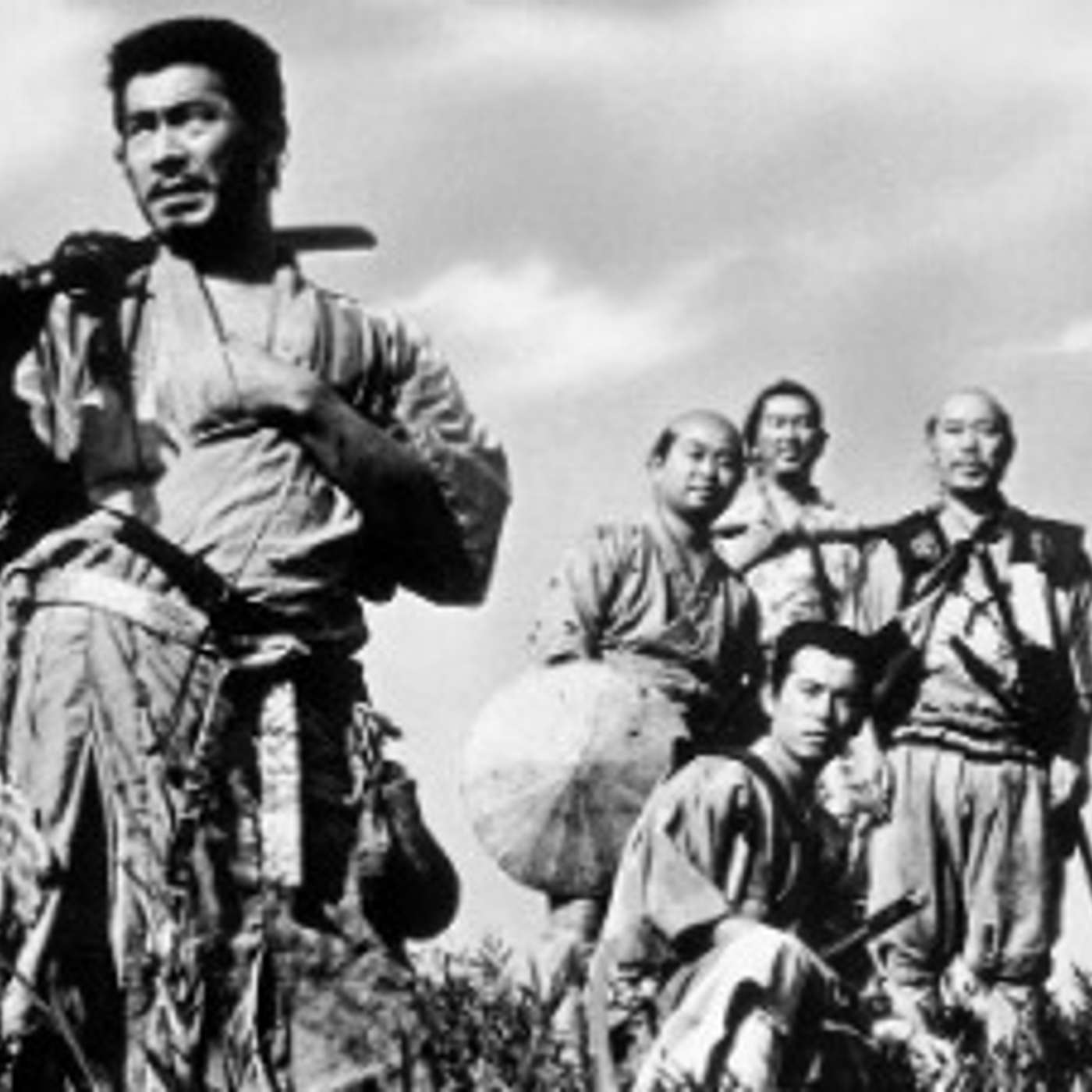
Seven Samurai, The Magnificent Seven
from Philosophy at the Movies Hosted by Stockdale Center - Shaun Baker, PhD.
How do these films illustrate the cross-cultural pollination between Japan and the United States, given they had similar relatively lawless “Wild West” phases in history? Why does it show us the high level of distrust for the Samurai or gunfighters on the part of the villagers that hire them? Is that distrust justified? Why, after the victories, do the leaders of the two bands of defenders both say that the farmers, who had hired them ‘always win’ while the Samurai or gunfighters ‘always lose’? How does the Seven Samurai illustrate the military and tactical professionalism of the band of Samurai as they plan the defense of the village? How does it present a meditation on the bravery of the villagers, as compared to that of their armed protectors, through the children's perceptions of the hired men? In what ways does the film stand as seminal for several now established tropes in Hollywood films? How does the film and its influence show the remarkably tight cultural ties that now exist between Japan and the United States?
Embed this episode
No transcript yet.