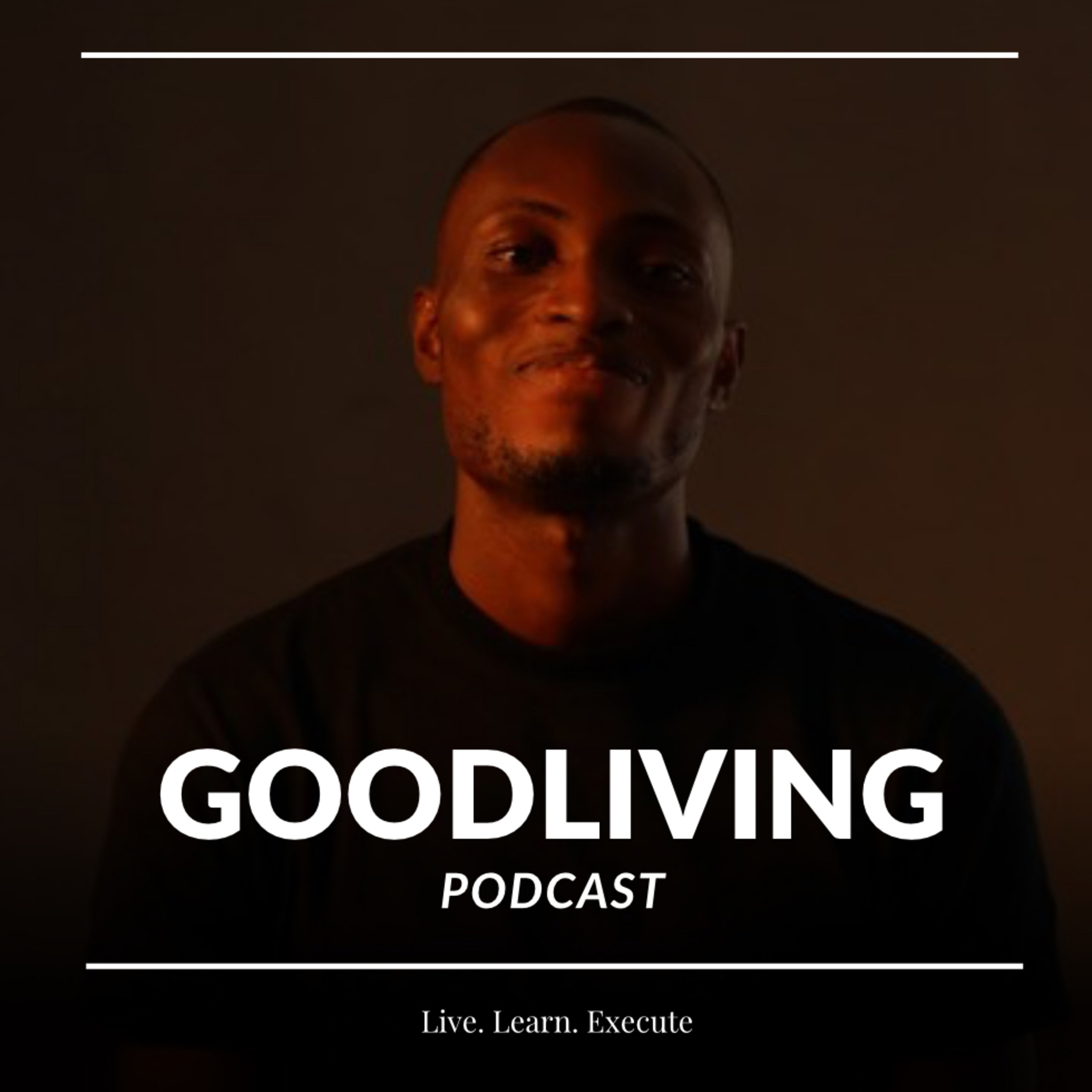
👁️🎭 Shady people cannot see honest people| that is why they keep losing. They assume everyone is like them episode artwork

EPISODE · Jun 8, 2026 · 14 MIN

👁️🎭 Shady people cannot see honest people| that is why they keep losing. They assume everyone is like them

from GoodLiving Podcast · host Koke

You turned off your WhatsApp blue tick. Maybe to avoid confrontation. Maybe to buy yourself time. Maybe just because you do not want people knowing when you have seen their messages.But it says something. And we think you already know what it says.In this episode, we build a full argument for why transparency is not just a moral virtue -- it is a practical advantage. And why the people who opt out of it are not just being private. They are cutting themselves off from the exact relationships that would serve them best.Koke breaks down why shady people cannot see honest people. Because when you assume everyone around you is out to get you, you lose the ability to tell the difference between the people who are and the people who are not. You miss every relationship that would have been genuinely good for you.He talks about a debt he owed his friend Clement for over a year in university -- 15,000 naira that felt like everything at the time -- and what navigating that situation on both sides taught him about what trust actually requires. It is not always payment. Sometimes it is just a phone call.And he closes with the principle that runs through all of it -- backed by game theory:Follow people with empathy. Be ruthless in retaliation.Not because it is the nice thing to do. Because it is the strategy that produces the best outcomes over time.This episode is for anyone who has been burned by someone they trusted and is trying to work out whether it is worth being open again.It is.Drop your experience in the comments. Has transparency ever cost you -- or paid off in ways you did not expect?

You turned off your WhatsApp blue tick. Maybe to avoid confrontation. Maybe to buy yourself time. Maybe just because you do not want people knowing when you have seen their messages.But it says something. And we think you already know what it says.In this episode, we build a full argument for why transparency is not just a moral virtue -- it is a practical advantage. And why the people who opt out of it are not just being private. They are cutting themselves off from the exact relationships that would serve them best.Koke breaks down why shady people cannot see honest people. Because when you assume everyone around you is out to get you, you lose the ability to tell the difference between the people who are and the people who are not. You miss every relationship that would have been genuinely good for you.He talks about a debt he owed his friend Clement for over a year in university -- 15,000 naira that felt like everything at the time -- and what navigating that situation on both sides taught him about what trust actually requires. It is not always payment. Sometimes it is just a phone call.And he closes with the principle that runs through all of it -- backed by game theory:Follow people with empathy. Be ruthless in retaliation.Not because it is the nice thing to do. Because it is the strategy that produces the best outcomes over time.This episode is for anyone who has been burned by someone they trusted and is trying to work out whether it is worth being open again.It is.Drop your experience in the comments. Has transparency ever cost you -- or paid off in ways you did not expect?

NOW PLAYING

👁️🎭 Shady people cannot see honest people| that is why they keep losing. They assume everyone is like them

0:00 14:11

No transcript for this episode yet

We transcribe on demand. Request one and we'll notify you when it's ready — usually under 10 minutes.

That Hoarder: Overcome Compulsive Hoarding That Hoarder Hoarding disorder is stigmatised and people who hoard feel vast amounts of shame. This podcast began life as an audio diary, an anonymous outlet for somebody with this weird condition. That Hoarder speaks about her experiences living with compulsive hoarding, she interviews therapists, academics, researchers, children of hoarders, professional organisers and influencers, and she shares insight and tips for others with the problem. Listened to by people who hoard as well as those who love them and those who work with them, Overcome Compulsive Hoarding with That Hoarder aims to shatter the stigma, share the truth and speak openly and honestly to improve lives. The Small Business Startup School – Business Notes | Financial Literacy | Retail Psychology – For Professionals & Entrepreneurs The Small Business Startup School Inc. Starting or buying a small business? While personal circumstances may vary, business patterns remain timeless. On The Small Business Startup School, we explore strategies, insights, and practical solutions to help entrepreneurs confidently navigate their journey.Hosted by Ola Williams—a retail entrepreneur, fintech founder, and financial coach with over two decades of experience—this podcast marries financial awareness and retail psychology with optimism to deliver actionable takeaways.Join us to learn, grow, and connect as we uncover the keys to business success.Let’s continue to learn together and be encouraged to keep on connecting! DIOSA. Carolina Sanper This podcast is a sacred space created by Carolina Sanper where you connect with your inner wisdom and embody your magnetic feminine power.It is the realization that the mystical realm is where you plant the seeds of your desired reality.It is a portal to your true essence: awareness, presence, and receiving with ease. Welcome home, DIOSA. 🖤 XXX Tech by SOVRYN Dr. Brian Sovryn The crossroads between technology, sensuality, and metaphysics - and the longest running anarchist podcast in the world! Brought to you by Dr. Brian Sovryn.

Frequently Asked Questions

How long is this episode of GoodLiving Podcast?

This episode is 14 minutes long.

When was this GoodLiving Podcast episode published?

This episode was published on June 8, 2026.

What is this episode about?

You turned off your WhatsApp blue tick. Maybe to avoid confrontation. Maybe to buy yourself time. Maybe just because you do not want people knowing when you have seen their messages.But it says something. And we think you already know what it...

Can I download this GoodLiving Podcast episode?

Yes, you can download this episode by clicking the download button on the episode player, or subscribe to the podcast in your preferred podcast app for automatic downloads.
URL copied to clipboard!