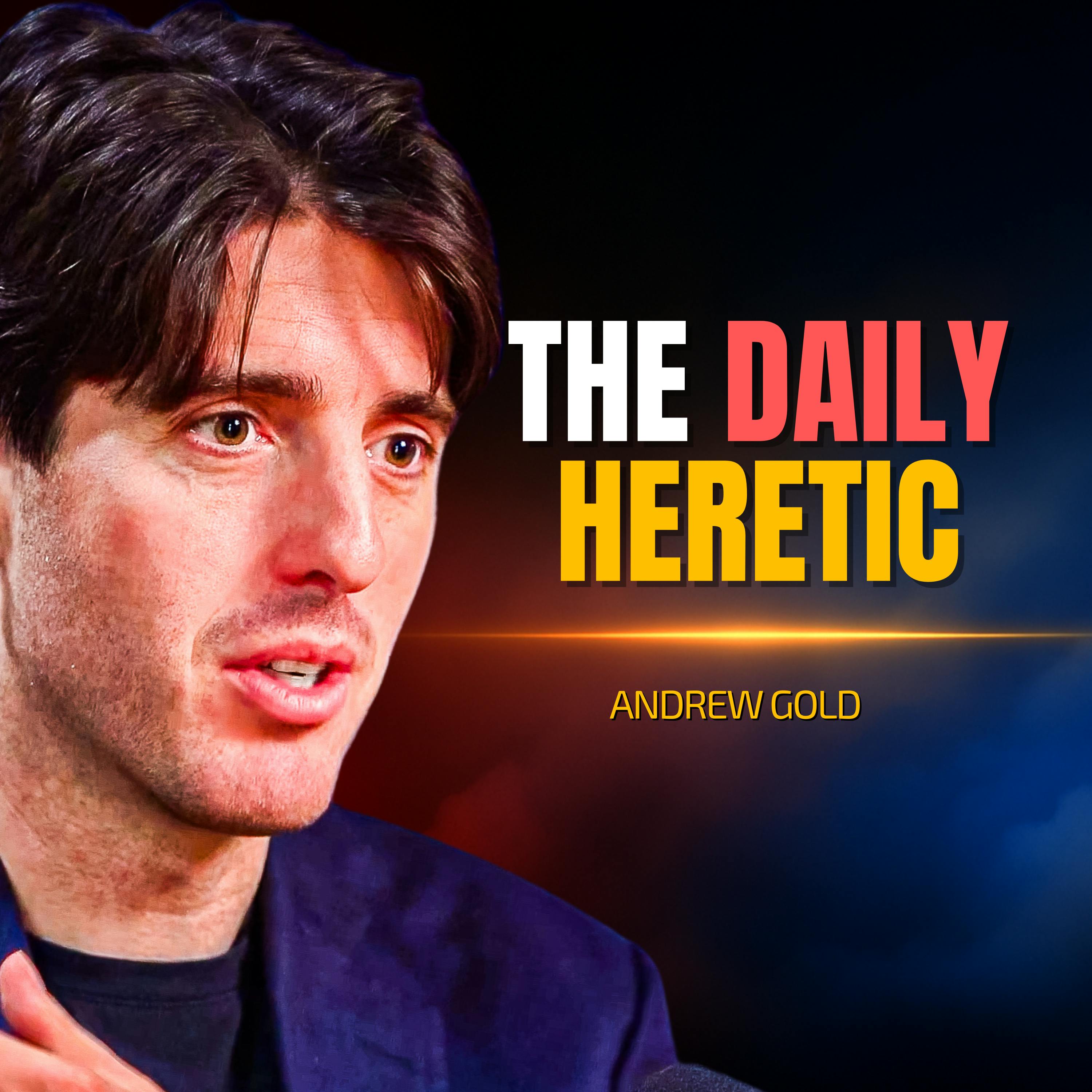
Sheikh Khalid Al-Hail - How the Muslim Brotherhood THREATENED David Cameron with Terrorism episode artwork

EPISODE · May 22, 2026 · 6 MIN

Sheikh Khalid Al-Hail - How the Muslim Brotherhood THREATENED David Cameron with Terrorism

from The Daily Heretic · host Andrew Gold

Subscribe to The Daily Heretic for fearless conversations about power, intimidation, and the forces shaping British politics behind the scenes. 👉 https://www.youtube.com/@hereticsclips/videos Did a British Prime Minister face pressure linked to terrorism — and if so, why has it barely been discussed? In this episode of Heretics, I’m joined by Sheikh Khalid Al-Hail, a Qatari opposition figure, to examine his explosive claim that the Muslim Brotherhood used the implicit threat of instability and violence to influence David Cameron and the UK government. This episode does not present allegations as established fact. Instead, it explores Sheikh Khalid’s account of how political Islam, lobbying power, and the fear of terrorism can be used as leverage against Western leaders. Drawing on his experience opposing Islamist movements in the Gulf, Khalid explains why he believes Cameron’s government came under intense pressure at a critical moment — and why backing down was seen as the safer option. According to Khalid, the power of the Muslim Brotherhood does not lie in direct orders, but in strategic intimidation. The message, he claims, is rarely explicit: destabilisation is always implied, and leaders understand the cost of resistance. We unpack how this form of influence operates, why it is difficult to document, and why democratic governments often struggle to respond without escalating risk. The conversation also returns to the role of “Islamophobia” in UK politics. Khalid argues that accusations are sometimes deployed not to protect individuals from prejudice, but to discourage scrutiny of ideological movements with political ambitions. When criticism is framed as bigotry, debate narrows — and pressure tactics become harder to expose. These are his assertions, and they raise uncomfortable questions about how power is exercised. Why has Britain, in Khalid’s view, been particularly vulnerable to this kind of pressure? He points to a combination of legal ambiguity, institutional caution, and reputational fear. When leaders believe that confronting Islamist groups may trigger unrest or accusations, silence can feel like the least dangerous path — even if it undermines transparency and accountability. You don’t have to agree with Sheikh Khalid’s conclusions to find this discussion important. Its value lies in understanding how intimidation is alleged to work, why terrorism doesn’t need to be carried out to be effective, and how democratic leaders can find themselves constrained by fear rather than law. This episode asks a simple but unsettling question: what happens to democracy when threats don’t need to be spoken aloud? If you want to understand why some believe Western leaders have been quietly pressured — and why those stories rarely surface — this conversation is essential. Watch the full podcast here: https://www.youtube.com/watch?v=knYr2ph9TAQ&t=25s #SheikhKhalid #DavidCameron #MuslimBrotherhood #UKPolitics #NationalSecurity #FreeSpeechUK #HereticsPodcast #PoliticalPressure Learn more about your ad choices. Visit megaphone.fm/adchoices

Subscribe to The Daily Heretic for fearless conversations about power, intimidation, and the forces shaping British politics behind the scenes. 👉 https://www.youtube.com/@hereticsclips/videos Did a British Prime Minister face pressure linked to terrorism — and if so, why has it barely been discussed? In this episode of Heretics, I’m joined by Sheikh Khalid Al-Hail, a Qatari opposition figure, to examine his explosive claim that the Muslim Brotherhood used the implicit threat of instability and violence to influence David Cameron and the UK government. This episode does not present allegations as established fact. Instead, it explores Sheikh Khalid’s account of how political Islam, lobbying power, and the fear of terrorism can be used as leverage against Western leaders. Drawing on his experience opposing Islamist movements in the Gulf, Khalid explains why he believes Cameron’s government came under intense pressure at a critical moment — and why backing down was seen as the safer option. According to Khalid, the power of the Muslim Brotherhood does not lie in direct orders, but in strategic intimidation. The message, he claims, is rarely explicit: destabilisation is always implied, and leaders understand the cost of resistance. We unpack how this form of influence operates, why it is difficult to document, and why democratic governments often struggle to respond without escalating risk. The conversation also returns to the role of “Islamophobia” in UK politics. Khalid argues that accusations are sometimes deployed not to protect individuals from prejudice, but to discourage scrutiny of ideological movements with political ambitions. When criticism is framed as bigotry, debate narrows — and pressure tactics become harder to expose. These are his assertions, and they raise uncomfortable questions about how power is exercised. Why has Britain, in Khalid’s view, been particularly vulnerable to this kind of pressure? He points to a combination of legal ambiguity, institutional caution, and reputational fear. When leaders believe that confronting Islamist groups may trigger unrest or accusations, silence can feel like the least dangerous path — even if it undermines transparency and accountability. You don’t have to agree with Sheikh Khalid’s conclusions to find this discussion important. Its value lies in understanding how intimidation is alleged to work, why terrorism doesn’t need to be carried out to be effective, and how democratic leaders can find themselves constrained by fear rather than law. This episode asks a simple but unsettling question: what happens to democracy when threats don’t need to be spoken aloud? If you want to understand why some believe Western leaders have been quietly pressured — and why those stories rarely surface — this conversation is essential. Watch the full podcast here: https://www.youtube.com/watch?v=knYr2ph9TAQ&t=25s #SheikhKhalid #DavidCameron #MuslimBrotherhood #UKPolitics #NationalSecurity #FreeSpeechUK #HereticsPodcast #PoliticalPressure Learn more about your ad choices. Visit megaphone.fm/adchoices

NOW PLAYING

Sheikh Khalid Al-Hail - How the Muslim Brotherhood THREATENED David Cameron with Terrorism

0:00 6:41

No transcript for this episode yet

We transcribe on demand. Request one and we'll notify you when it's ready — usually under 10 minutes.

Frequently Asked Questions

How long is this episode of The Daily Heretic?

This episode is 6 minutes long.

When was this The Daily Heretic episode published?

This episode was published on May 22, 2026.

What is this episode about?

Subscribe to The Daily Heretic for fearless conversations about power, intimidation, and the forces shaping British politics behind the scenes. 👉 https://www.youtube.com/@hereticsclips/videos Did a British Prime Minister face pressure linked to...

Can I download this The Daily Heretic episode?

Yes, you can download this episode by clicking the download button on the episode player, or subscribe to the podcast in your preferred podcast app for automatic downloads.
URL copied to clipboard!