
EPISODE · Feb 19, 2025 · 25 MIN
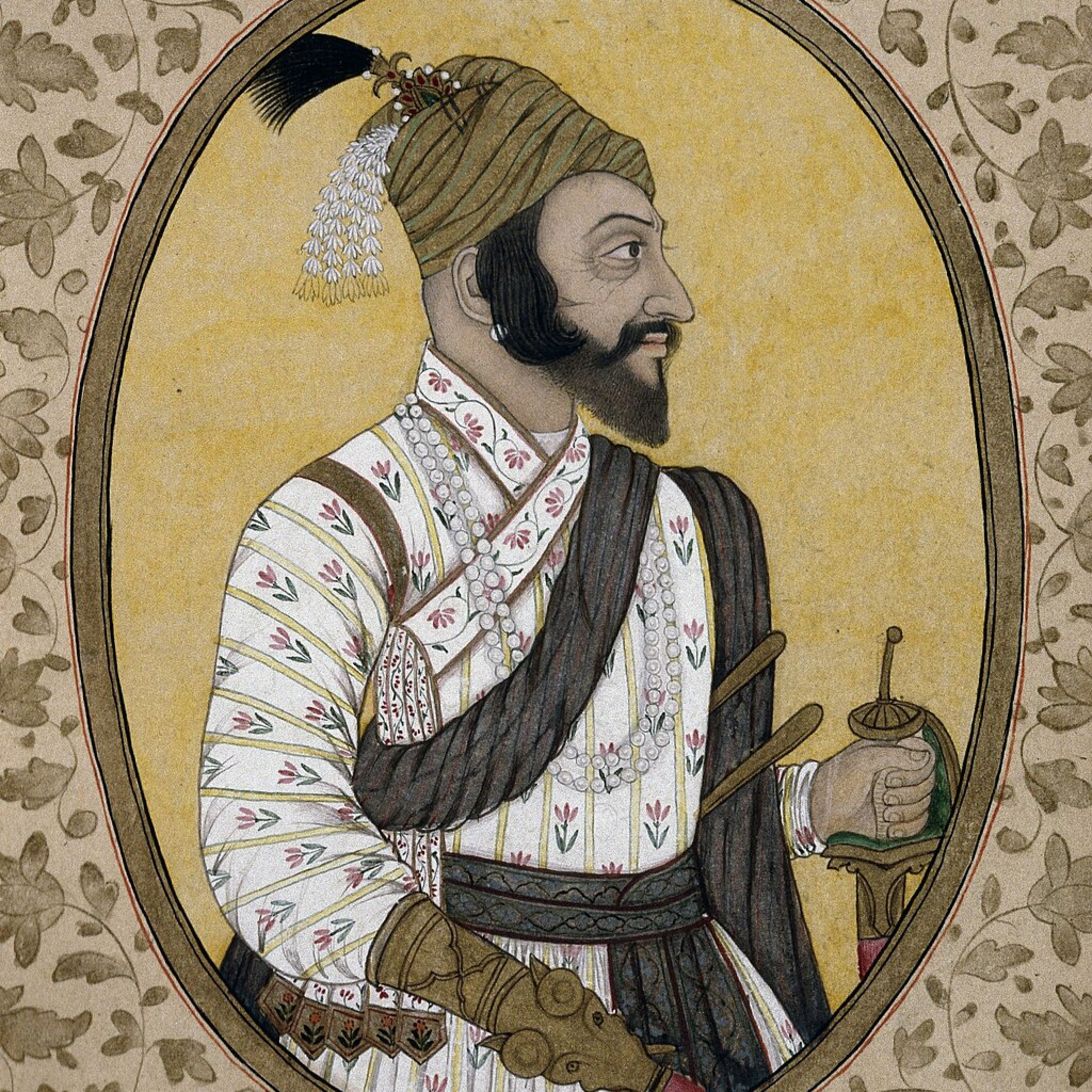
Shivaji: Founder of the Maratha Empire
from Devsig Podcast · host Bholendra Singh
Shivaji I (c. 19 February 1630 – 3 April 1680) was an Indian ruler and a member of the Bhonsle dynasty who founded the Maratha Empire. Key aspects of his life include: Early Life and Ancestry: Shivaji was born in Shivneri Fort. His father, Shahaji Bhonsle, was a Maratha general serving the Deccan Sultanates, and his mother was Jijabai. Conflict with Bijapur Sultanate: Shivaji captured Torna Fort in 1646 and other forts near Pune, consolidating control over surrounding areas. The Bijapur government imprisoned Shahaji in 1648 to contain Shivaji's actions. After Shahaji's release, Shivaji resumed raiding and expanded his territory. In 1657, Bijapur sent Afzal Khan to arrest Shivaji, leading to the Battle of Pratapgarh where Shivaji's forces decisively defeated the Bijapur Sultanate's forces. Conflict with the Mughals: Shivaji initially maintained peaceful relations with the Mughal Empire but later launched raids into Mughal Deccan. Aurangzeb sent Shaista Khan to attack Shivaji, but Shivaji launched a daring night attack, wounding Shaista Khan. The attacks on Shaista Khan and Surat led Aurangzeb to send Jai Singh I to defeat Shivaji. Treaty of Purandar: In 1665, Shivaji signed the Treaty of Purandar, agreeing to give up 23 of his forts and become a Mughal vassal. Arrest in Agra and Escape: In 1666, Aurangzeb summoned Shivaji to Agra, where he was placed under house arrest after taking offence at court. Shivaji escaped by hiding in a basket of sweets. Reconquest: After escaping from Agra, Shivaji launched an offensive against the Mughals, recovering much of the territory he had surrendered. Coronation: In 1674, Shivaji was crowned king of the Maratha Empire at Raigad fort. He was given the title of Chhatrapati. Conquest in Southern India: Starting in 1674, Shivaji undertook an aggressive campaign in Southern India, forming a treaty with Golkonda and seizing forts. Death and Succession: Shivaji died around 3–5 April 1680 at Raigad Fort. Sambhaji, his elder son, succeeded him after a period of conflict and imprisonment of Rajaram. Governance: Shivaji established the Ashta Pradhan Mandal, an administrative council of eight ministers. He replaced Persian with Marathi in court and promoted Sanskrit. Religious Policy: Shivaji's religious policies were considered tolerant; he allowed Muslims to practice without harassment and supported their ministries. Mode of Warfare: Shivaji was skilled in guerilla tactics, known as Ganimi Kawa. He built and maintained hill forts and established a navy. Legacy: Shivaji is known for his secularism, warrior code of ethics and exemplary character. His legacy has been revived by Indian nationalists and appropriated by Hindutva activists.
Embed this episode
NOW PLAYING
Shivaji: Founder of the Maratha Empire
No transcript for this episode yet
Similar Episodes
No similar episodes found.
Similar Podcasts
No similar podcasts found.