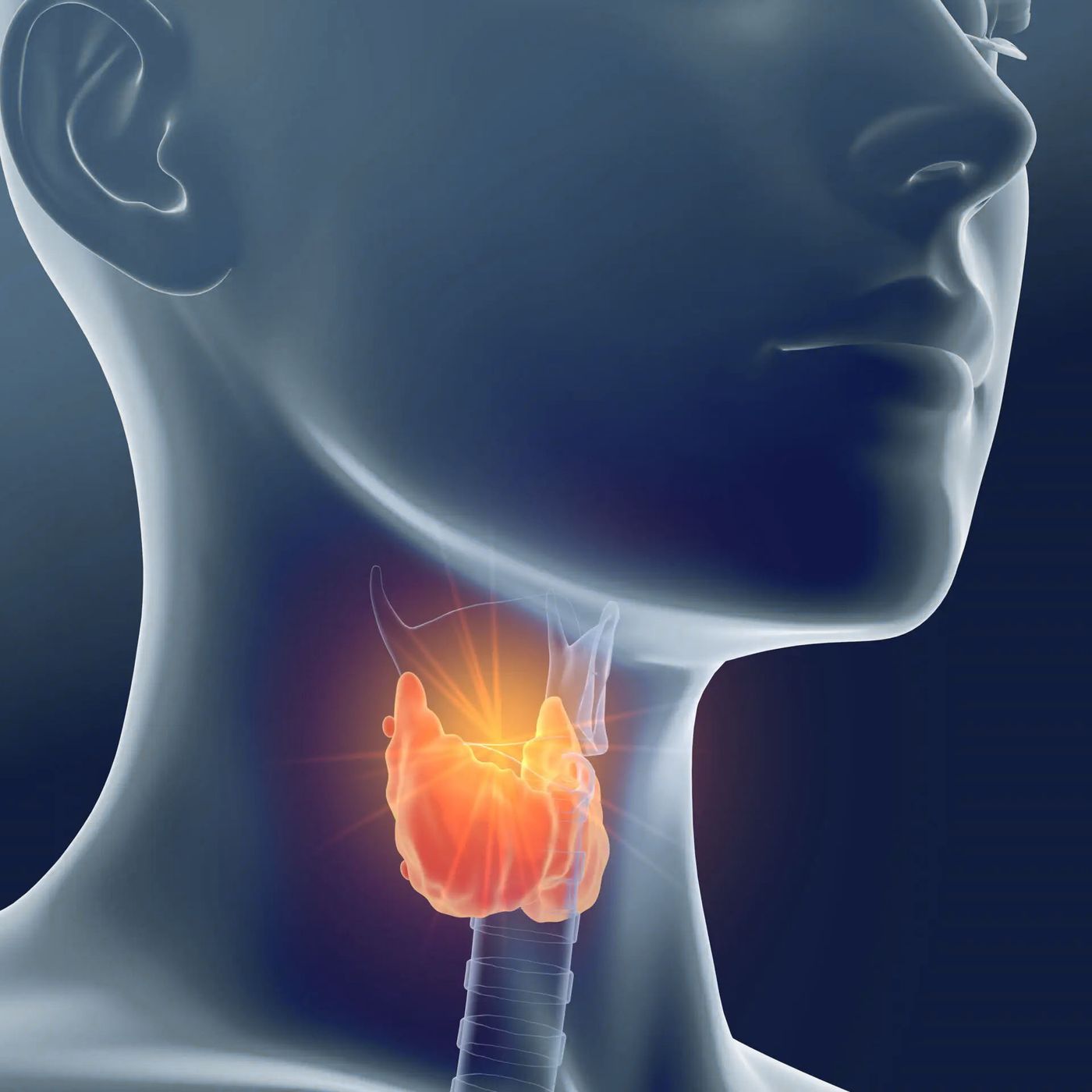
Signs and Symptoms of Hypothyroidism episode artwork

EPISODE · Mar 11, 2026 · 52 MIN

Signs and Symptoms of Hypothyroidism

from Whole Life Studio · host Norse Studio

The thyroid is a small gland weighing between 20 and 30 grams, yet its influence on the human body is immense. It produces vital hormones, specifically triiodothyronine (T3) and thyroxine (T4), which regulate the metabolism, body temperature, heart activity, bone mineralization, and the nervous system. When the thyroid produces an insufficient amount of these hormones, the body enters a state of hypothyroidism. This condition affects approximately 5-10% of the general population, with a significantly higher prevalence among women and older adults.A primary symptom of hypothyroidism is chronic and debilitating fatigue. Unlike standard tiredness, this exhaustion makes it difficult to function daily or even wake up in the morning despite a full night's sleep. Because thyroid hormones control metabolic rates, their deficiency leads to a significant slowdown in metabolism. This results in unexpected weight gain and water retention, even if the person's diet remains unchanged. Furthermore, since the body lacks the energy to produce heat, individuals often suffer from cold intolerance and lower body temperatures.Physical changes are widespread and can affect the skin, hair, and voice. The skin often becomes dry, scaly, and sensitive due to reduced secretion from sweat glands. Hair thinning is common across the entire scalp, and eyebrows may also become sparse. Fluid accumulation in the body can lead to swelling (edema) in the legs, face, and eyes. This same fluid buildup can affect the vocal folds, causing a gradually hoarse voice. Additionally, the thyroid gland itself may enlarge, creating a visible swelling in the neck known as a goiter, which can cause difficulty swallowing or a feeling of pressure in the throat.The condition also impacts muscles, nerves, and cognitive functions. Patients frequently report muscle weakness, pain, or cramps, particularly in the thighs and arms. Damage to peripheral nerves can cause numbness or a tingling sensation in the limbs, sometimes manifesting as carpal tunnel syndrome. Mentally, hypothyroidism often leads to "brain fog," characterized by memory lapses and a significant decrease in concentration. These cognitive shifts are linked to reduced blood flow in specific brain regions and changes in the hippocampus, the area of the brain responsible for memory.Internal systems are equally affected. Hypothyroidism can cause constipation due to slowed digestive motility. It impacts the cardiovascular system by slowing the heart rate—often by 10 to 20 beats per minute—and potentially increasing diastolic blood pressure. Reproductive health is also compromised; women may experience irregular or heavy periods, while men may face erectile dysfunction or delayed ejaculation due to hormonal imbalances.The causes of this condition include autoimmune diseases like Hashimoto’s, iodine deficiency, or even the excessive consumption of iodine. It can also result from certain medications, radiation therapy, or surgical removal of the gland. Diagnosis typically involves testing levels of Thyroid-Stimulating Hormone (TSH) and free thyroxine (FT4). Fortunately, many symptoms, including sensory changes like altered taste or smell, are largely reversible once proper treatment is established.Become a supporter of this podcast: https://www.spreaker.com/podcast/whole-life-studio--6886552/support.

The thyroid is a small gland weighing between 20 and 30 grams, yet its influence on the human body is immense. It produces vital hormones, specifically triiodothyronine (T3) and thyroxine (T4), which regulate the metabolism, body temperature, heart activity, bone mineralization, and the nervous system. When the thyroid produces an insufficient amount of these hormones, the body enters a state of hypothyroidism. This condition affects approximately 5-10% of the general population, with a significantly higher prevalence among women and older adults.A primary symptom of hypothyroidism is chronic and debilitating fatigue. Unlike standard tiredness, this exhaustion makes it difficult to function daily or even wake up in the morning despite a full night's sleep. Because thyroid hormones control metabolic rates, their deficiency leads to a significant slowdown in metabolism. This results in unexpected weight gain and water retention, even if the person's diet remains unchanged. Furthermore, since the body lacks the energy to produce heat, individuals often suffer from cold intolerance and lower body temperatures.Physical changes are widespread and can affect the skin, hair, and voice. The skin often becomes dry, scaly, and sensitive due to reduced secretion from sweat glands. Hair thinning is common across the entire scalp, and eyebrows may also become sparse. Fluid accumulation in the body can lead to swelling (edema) in the legs, face, and eyes. This same fluid buildup can affect the vocal folds, causing a gradually hoarse voice. Additionally, the thyroid gland itself may enlarge, creating a visible swelling in the neck known as a goiter, which can cause difficulty swallowing or a feeling of pressure in the throat.The condition also impacts muscles, nerves, and cognitive functions. Patients frequently report muscle weakness, pain, or cramps, particularly in the thighs and arms. Damage to peripheral nerves can cause numbness or a tingling sensation in the limbs, sometimes manifesting as carpal tunnel syndrome. Mentally, hypothyroidism often leads to "brain fog," characterized by memory lapses and a significant decrease in concentration. These cognitive shifts are linked to reduced blood flow in specific brain regions and changes in the hippocampus, the area of the brain responsible for memory.Internal systems are equally affected. Hypothyroidism can cause constipation due to slowed digestive motility. It impacts the cardiovascular system by slowing the heart rate—often by 10 to 20 beats per minute—and potentially increasing diastolic blood pressure. Reproductive health is also compromised; women may experience irregular or heavy periods, while men may face erectile dysfunction or delayed ejaculation due to hormonal imbalances.The causes of this condition include autoimmune diseases like Hashimoto’s, iodine deficiency, or even the excessive consumption of iodine. It can also result from certain medications, radiation therapy, or surgical removal of the gland. Diagnosis typically involves testing levels of Thyroid-Stimulating Hormone (TSH) and free thyroxine (FT4). Fortunately, many symptoms, including sensory changes like altered taste or smell, are largely reversible once proper treatment is established.Become a supporter of this podcast: https://www.spreaker.com/podcast/whole-life-studio--6886552/support.

NOW PLAYING

Signs and Symptoms of Hypothyroidism

0:00 52:23

No transcript for this episode yet

We transcribe on demand. Request one and we'll notify you when it's ready — usually under 10 minutes.

Eat to Live Jenna Fuhrman, Dr. Fuhrman Our health is our most precious gift and smart nutrition can change your life. Each month, join Dr. Fuhrman and his daughter, Jenna Fuhrman as they discuss important topics in the world of nutrition. Eat to Live will change the way you eat and think about food. French Your Way Jessica: Native French teacher founder of French Your Way Boost your French listening skills and test your comprehension with this one of a kind series of podcasts. Get the chance to listen to a real conversation between native speakers talking at normal speed AND customise your learning experience through carefully designed sets of questions (2 levels of difficulty) available for download at www.frenchvoicespodcast.com. All interviews also come with the transcript. French teacher Jessica interviews native speakers of French from around the world who share a bit of their life and passion. Where else would you meet in one same place a French yoga teacher based in Melbourne, a soap manufacturer from Provence, or a couple cycling around the world? That Hoarder: Overcome Compulsive Hoarding That Hoarder Hoarding disorder is stigmatised and people who hoard feel vast amounts of shame. This podcast began life as an audio diary, an anonymous outlet for somebody with this weird condition. That Hoarder speaks about her experiences living with compulsive hoarding, she interviews therapists, academics, researchers, children of hoarders, professional organisers and influencers, and she shares insight and tips for others with the problem. Listened to by people who hoard as well as those who love them and those who work with them, Overcome Compulsive Hoarding with That Hoarder aims to shatter the stigma, share the truth and speak openly and honestly to improve lives. The Lee Olsen Show Lee Olsen CJF I want to help you improve all areas of your life by 3 types of podcasts!👉Blood, Sweat & Blessings-Interviews of normal people that have achieved BIG things!👉Series!!! For Love of the Horse- Brad Jackman DVM & Lee Olsen CJF, how to help your horse!👉Business Tips- Proven Life Changing Business Strategies with Lee Olsen

Frequently Asked Questions

How long is this episode of Whole Life Studio?

This episode is 52 minutes long.

When was this Whole Life Studio episode published?

This episode was published on March 11, 2026.

What is this episode about?

The thyroid is a small gland weighing between 20 and 30 grams, yet its influence on the human body is immense. It produces vital hormones, specifically triiodothyronine (T3) and thyroxine (T4), which regulate the metabolism, body temperature, heart...

Is there a transcript available for this episode?

Yes, a full transcript is available for this episode. You can read the complete transcript on the episode page.

Can I download this Whole Life Studio episode?

Yes, you can download this episode by clicking the download button on the episode player, or subscribe to the podcast in your preferred podcast app for automatic downloads.
URL copied to clipboard!