
EPISODE · Apr 23, 2026 · 3 MIN
SK hynix forecasts prolonged chip supercycle with supply constraints to persist 3 more years
from Korea JoongAng Daily - Daily News from Korea · host PARK EUN-JEE
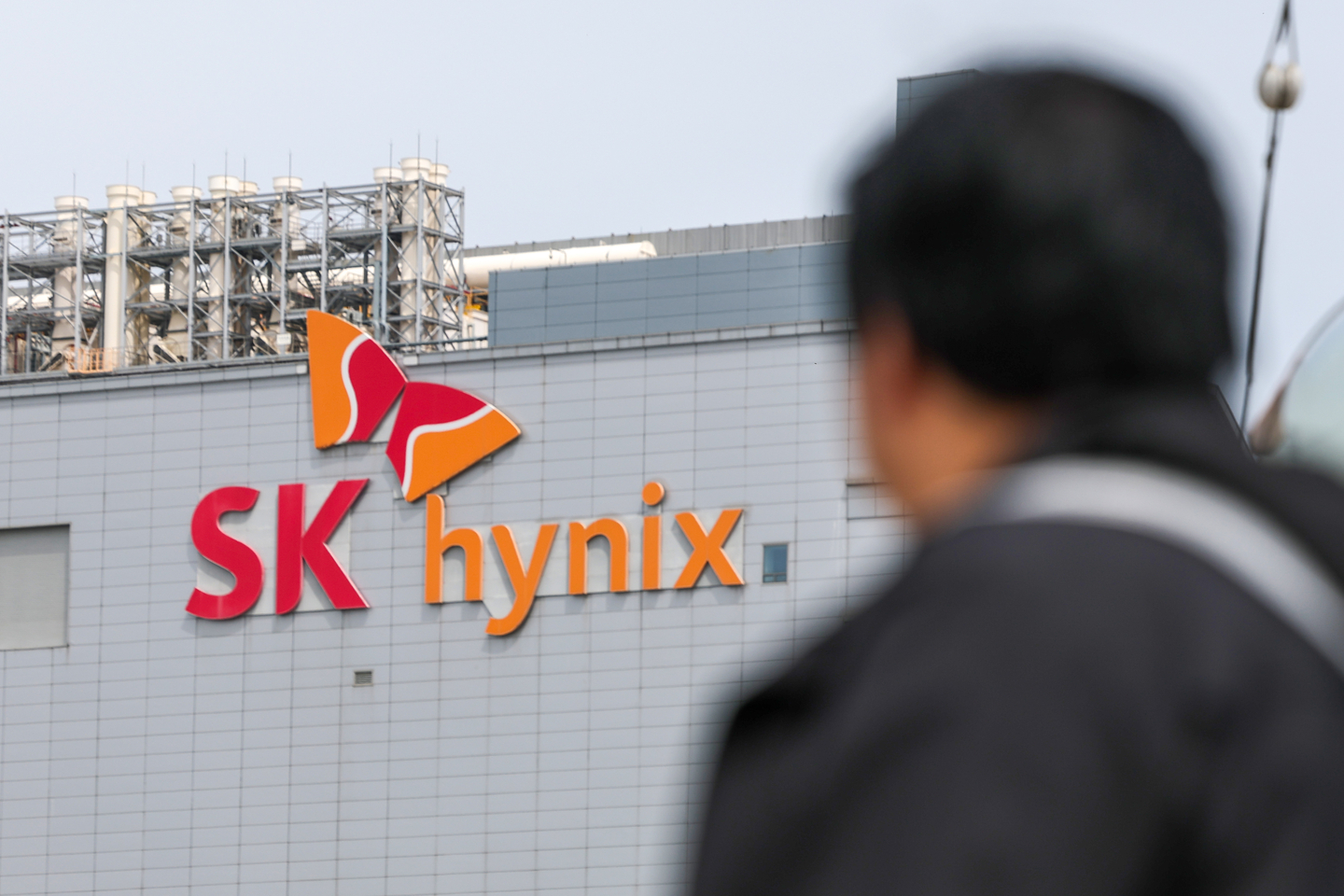
This article is by Park Eun-jee and read by an artificial voice. SK hynix, the primary memory supplier to Nvidia, flagged at least three more years of tight supply in high-end memory after reporting record earnings for the first quarter on Thursday. Operating profit rose 405.5 percent to 37.6 trillion won ($25.4 billion) from a year earlier, with a stunning operating margin of 72 percent. "Customer demand for high bandwidth memory over the next three years already far exceeds the company's supply capacity," the company said during a conference call on Thursday. "As supply shortages persist, the upcycle in memory prices is likely to last longer than in previous cycles," an SK hynix executive said. Revenue came in at a record 52.6 trillion won, up 198.1 percent on year, driven by robust demand for dynamic random-access memory (DRAM) and NAND flash. Both operating profit and revenue topped consensus estimates compiled by market tracker FnGuide. The feat came from an exceptionally high margin, above 70 percent, while rivals Samsung Electronics and Micron registered around 40 percent. It even beat Nvidia and TSMC, known for their industry-leading profitability, which reported margins of 65 percent and 58 percent, respectively, earlier this year. The strong profitability reflects soaring chip prices, fueled by large-scale orders tied to AI data center infrastructure. "We estimate the average selling prices [ASP] of DRAM rose 65 percent on quarter in the January-March period, while those of NAND are projected to have jumped 74 percent, significantly beating expectations," said Lee Su-rim, an analyst at DS Securities. With many analysts viewing the first quarter as the start of a semiconductor supercycle, earnings are likely to strengthen further in the coming quarters. "The pricing effect is expected to be more pronounced in the second quarter, with operating profit forecasts for server DRAM further revised upward for the second half," said Lee Jong-wook, an analyst at Samsung Securities. "The current upcycle will likely last longer than before, revising our forecast for blended DRAM ASP growth in 2027 to 12 percent annually from 9 percent. As a result, we have increased our operating profit estimates to 228 trillion won for 2026 and 284 trillion won for 2027." The upturns typically lasted one to two years, followed by sharp downturns. SK hynix said the pattern could change as long-term contracts with U.S. Big Tech firms help stabilize demand. "If long-term agreements become firmly established, investment efficiency is expected to improve naturally, supported by enhanced demand visibility and more stable profitability." Google and Microsoft are each seeking such deals with SK hynix and Samsung. The deals are said to include an upfront payment of around 10 to 30 percent of the total contract value, according to Korean media reports. In the wake of the reports, SK hynix implied that it could apply stricter terms than before. "Accordingly, we are comprehensively reviewing various approaches and structural alternatives, rather than relying on traditional long-term agreement frameworks." The chipmaker reiterated that this year's capital expenditure will "significantly increase," although near-term capacity expansion in memory production is expected to remain limited due to floor space constraints at its facilities.
Embed this episode
NOW PLAYING
SK hynix forecasts prolonged chip supercycle with supply constraints to persist 3 more years
No transcript for this episode yet
Similar Episodes
No similar episodes found.
Similar Podcasts
No similar podcasts found.