
EPISODE · May 13, 2026 · 4 MIN
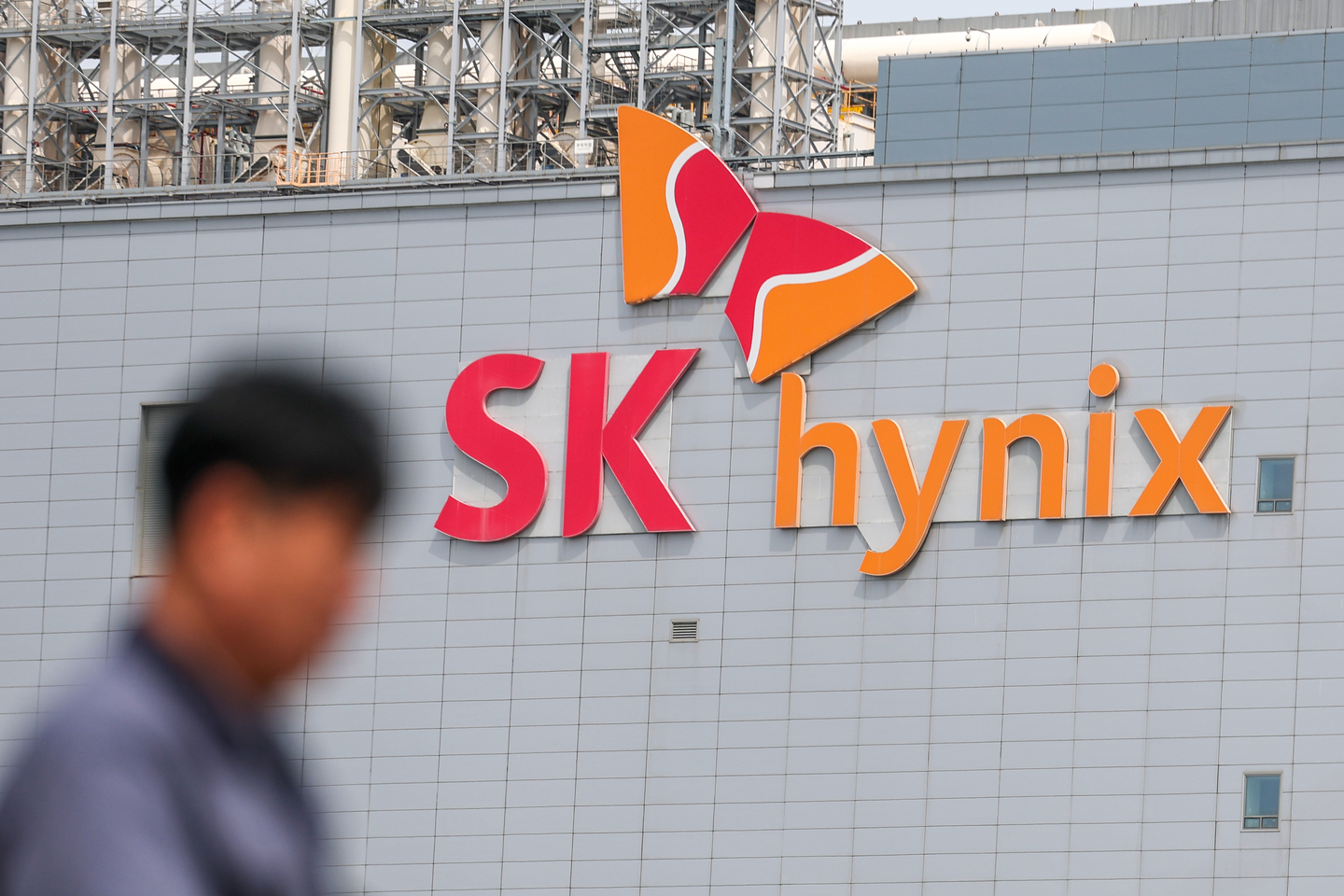
SK hynix set a new bonus standard. It could jeopardize competitiveness across sectors.
from Korea JoongAng Daily - Daily News from Korea · host KANG KWANG-WOO
This article is by Kang Kwang-woo and read by an artificial voice. SK hynix's decision last year to carve out a slice of operating profit for its workers is becoming a template across Korean industries. Unions at Samsung Electronics, Samsung Biologics, LG U+ and Kakao are now pushing for their own cuts, ranging from 10 to 30 percent — a trend management experts warn could weaken the companies' long-term competitiveness. Samsung Electronics' labor union and management sat down for a second post-mediation session at the Government Sejong Complex on Tuesday morning, but the two parties failed to reach an agreement. The union's most significant demand is a fixed allocation of 15 percent of operating profit from the company's Device Solutions division, which oversees its semiconductor business, as a performance bonus pool. Samsung Biologics' union, which recently launched a full-scale strike, is asking for 20 percent. The LG U+ union is pushing for 30 percent. The Kakao union has proposed a 10 percent option as one of several formulas it would accept. The trend traces back to SK hynix, which last year became the first major Korean company to agree, at its union's request, to set aside 10 percent of operating profit as a bonus fund. Similar demands have since spread beyond the semiconductor sector into information and communications technology (ICT) and other industries. Operating profit is an unusual benchmark for collectively bargained bonuses. Several countries already require companies to share profits with workers — France has run a mandatory profit-sharing scheme since 1967, using a statutory formula tied to net profit above an equity threshold, and Mexico orders companies to hand over 10 percent of profits to employees — but neither system involves a union-bargained share of operating profit. U.S. Big Tech firms have long shared profits with workers, but they typically do so through stock rather than cash, and base individual payouts on personal performance reviews. Major Korean companies have historically used a mix of metrics, including overall company results and individual and team evaluations, to set differentiated bonuses. "There used to be a shared understanding that reinvesting surplus profits in the future, or paying bonuses despite losses to keep morale up, were both management calls," an ICT industry source said. "Perceptions around bonuses have shifted significantly since the SK hynix case. With the idea of lifetime employment fading, I think there's a growing sense among workers that they should get as much as they can while they're there." Tying bonuses solely to operating profit, rather than a composite metric, has one clear advantage: Anyone can predict the size of their payout. But the approach also puts future investment at risk. Companies may cut research and development or marketing spending, or push expenses artificially into later periods, weakening their long-term competitiveness. The system can also force payouts when profits rise on the back of a favorable market cycle rather than actual performance. "Once unions start reaching into the operating-profit cake, the fight over who gets the rest spreads to shareholders and subcontractors," Lim Chae-un, an emeritus professor of business administration at Sogang University, said. Companies also need to be more transparent about how they calculate bonuses, some analysts argue. "Compensation for employees should be decided by management, and compensation for executives by the board. For unions to override that and demand bonuses based solely on operating profit is excessive," Rhee Nam-uh, the chairman of the Korean Corporate Governance Forum, said. "But employers also need to disclose the bonus criteria they've kept opaque if they want to reduce union pushback." Prof. Lim warned that the unions' moves on operating profit could open a Pandora's box of distribution. "Eventually you end up with calls to share corporate profits with the broader public, too."...
Embed this episode
NOW PLAYING
SK hynix set a new bonus standard. It could jeopardize competitiveness across sectors.
No transcript for this episode yet
Similar Episodes
No similar episodes found.
Similar Podcasts
No similar podcasts found.