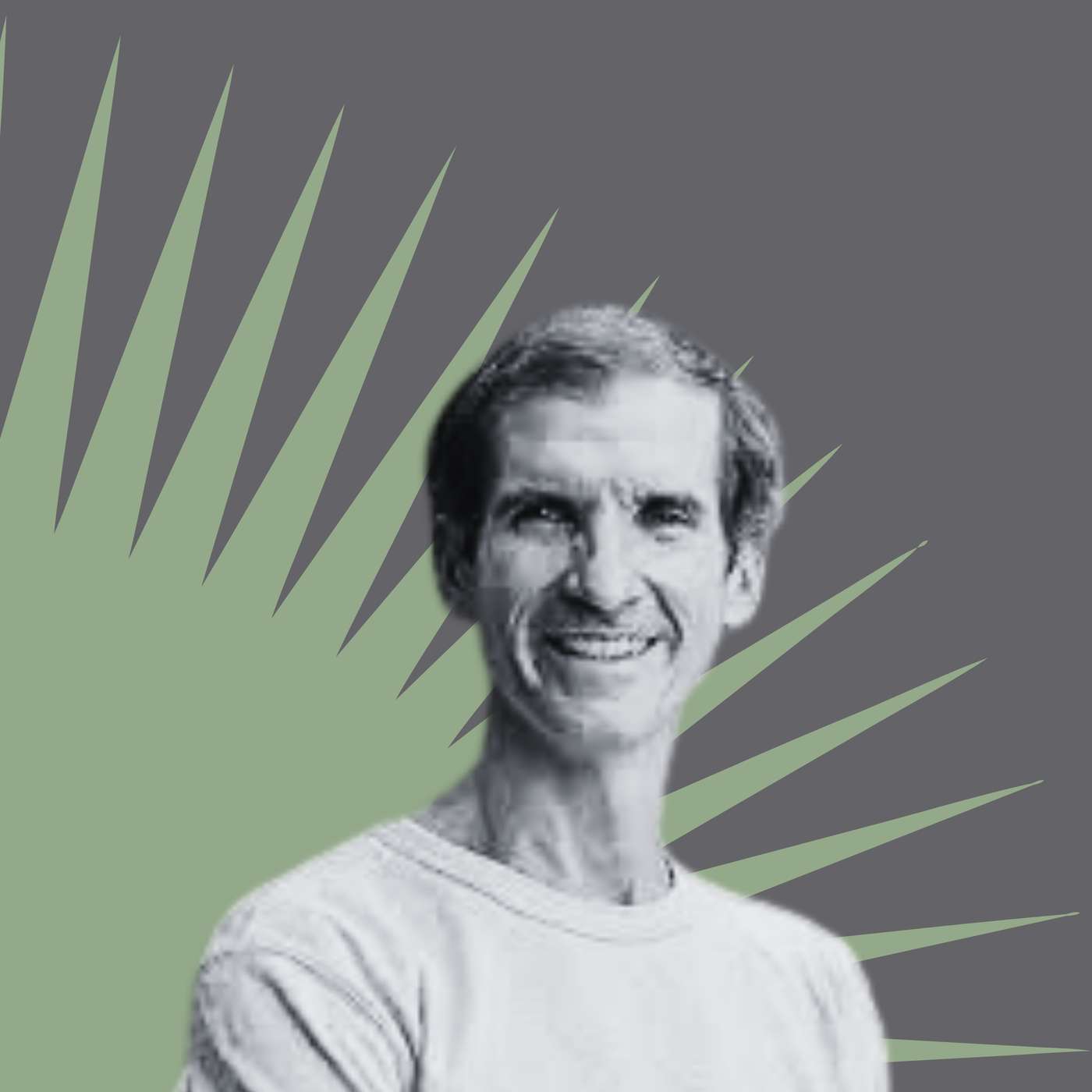
Sometimes Fixed Sometimes Fickle: Audun Dahl on Why Our Moral Judgements Are Always in Flux episode artwork

EPISODE · May 16, 2026 · 51 MIN

Sometimes Fixed Sometimes Fickle: Audun Dahl on Why Our Moral Judgements Are Always in Flux

from Keen On America · host Andrew Keen

“We need to develop better theories of why the other side believes what they do. Having an accurate theory includes recognizing if somebody is a psychopath — but also recognizing that psychopaths are rarer than we think.” — Audun Dahl If you’re not a liberal at twenty, you have no heart; if you’re not a conservative at forty, you have no head. While this sounds like an annoying cliché (especially to people under forty), it does recognize that our moral views change. But, as the Cornell psychologist Audun Dahl argues in his new book Between Fixed and Fickle: Why Our Moral Views Keep Changing, the most interesting question is why our moral principles always seem in flux. Why people who say cheating is wrong cheat. Why people who say violence is wrong turn a blind moral eye to their own insurrections. Dahl is a psychologist, not a moralist. He is not interested in what we should believe, but in what we think we believe. His central finding is that human morality is neither fixed nor fickle. People change their moral views when they believe they have good reasons to — reasons they can, indeed, articulate. The problem isn’t hypocrisy per se. It’s that we struggle to understand why the other side believes what it does. In morally polarised societies like contemporary America, we over-attribute psychopathy to political opponents. Most Republicans and most Democrats do have genuine moral commitments. But they are just different principles, applied to parallel moral hierarchies. Rather than morality perhaps, we need more empathy. Don’t judge. Understand. Five Takeaways •       Two Kinds of Moral Change: Dahl identifies two forms of moral change that should trouble us. Situational moral change: people espouse one principle and act against it in a specific situation — the person who says cheating is wrong and cheats on an exam, the January 6th rioter who says violence is wrong. Historical moral change: the same principles coexisting with practices that contradict them — Thomas Jefferson proclaiming inalienable rights while enslaving hundreds. Both are not simply hypocrisy: they reflect the genuine messiness of moral life, where competing principles create constant conflict. •       Morality Emerges in the First Three Years of Life: Dahl’s most striking empirical finding: by around age three, virtually all children develop an intrinsic concern with how we ought to treat other sentient beings. It is not taught as an external rule. It emerges. A three-year-old will say: it’s wrong to harm others, you shouldn’t steal. No other animal acquires this. It is a uniquely human characteristic. The question is not whether people have moral commitments — almost everyone does. The question is how those commitments interact with other concerns, pressures, and competing principles. •       We Over-Attribute Psychopathy to the Other Side: One of the most robustly documented findings in political psychology: Republicans and Democrats don’t merely think the other side is wrong. They think the other side is evil — likely to condone things they would never condone. Research shows both sides significantly over-estimate the other’s extremism and moral depravity. Dahl’s prescription: develop better theories of why the other side believes what it does. An accurate theory includes recognising genuine psychopaths and bad actors when they exist. It also includes recognising that they are rarer than we think. •       Jefferson, Epstein, and the Exceptions: Two historical anchors. Jefferson: the author of the Declaration of Independence’s inalienable rights, who enslaved hundreds. The question is not whether he was a hypocrite — he clearly was — but how someone could hold both positions simultaneously. The answer Dahl finds most compelling: conflicting moral principles applied with different weights in different contexts, not the absence of moral concern. Epstein: the opposite case, a man who concealed an absence of moral concern behind a veneer of respectability. The lesson: some people genuinely lack it, but they are exceptions. •       Elbow Room: The Hilary Mantel Closer: Dahl’s two wishes for a more moral world. First: that we understand why the other side disagrees. Second: that we have more “elbow room” — the phrase from Hilary Mantel’s Cromwell trilogy — to make decisions based on what we actually think is right rather than what we need to do to survive. Machiavelli and Cromwell operated in a world where survival left almost no room for principled action. If that is becoming our world again, the prospects for moral progress are bleak. Dahl is cautiously hopeful. The creative, restless energy of each new generation — willing to say this is unjust, this is unfair — is what abolished slavery. It is what drives moral change still. About the Guest Audun Dahl is Associate Professor of Psychology at Cornell University. He is the author of Between Fixed and Fickle: Why Our Moral Views Keep Changing (Harvard University Press, April 2026). He grew up in Norway and is based in Ithaca, New York. References: •       Between Fixed and Fickle: Why Our Moral Views Keep Changing by Audun Dahl (Harvard University Press, April 2026). •       Hilary Mantel, Wolf Hall trilogy — cited by Dahl as capturing the “elbow room” problem of moral action under survival pressure. •       Viktor Frankl, Man’s Search for Meaning — referenced in the same context as Mantel. •       Episode 2906: Dylan Gottlieb on Yuppies — the companion episode on how professional class morality was shaped by competing incentives. About Keen On America Nobody asks more awkward questions than the Anglo-American writer and filmmaker Andrew Keen. In Keen On America, Andrew brings his pointed Transatlantic wit to making sense of the United States — hosting daily interviews about the history and future of this now venerable Republic. With nearly 2,900 episodes since the show launched on TechCrunch in 2010, Keen On America is the most prolific intellectual interview show in the history of podcasting. WebsiteSubstackYouTubeApple PodcastsSpotify Chapters: (00:31) - The Churchill/Adams quote: liberal at 20, conservative at 40 (02:08) - Dahl’s Norwegian grandpa and the disputed attribution (02:30) - Two kinds of troubling moral change: situational and historical (03:10) - Jefferson’s Declaration of Independence and his enslaved peopl...

“We need to develop better theories of why the other side believes what they do. Having an accurate theory includes recognizing if somebody is a psychopath — but also recognizing that psychopaths are rarer than we think.” — Audun Dahl If you’re not a liberal at twenty, you have no heart; if you’re not a conservative at forty, you have no head. While this sounds like an annoying cliché (especially to people under forty), it does recognize that our moral views change. But, as the Cornell psychologist Audun Dahl argues in his new book Between Fixed and Fickle: Why Our Moral Views Keep Changing, the most interesting question is why our moral principles always seem in flux. Why people who say cheating is wrong cheat. Why people who say violence is wrong turn a blind moral eye to their own insurrections. Dahl is a psychologist, not a moralist. He is not interested in what we should believe, but in what we think we believe. His central finding is that human morality is neither fixed nor fickle. People change their moral views when they believe they have good reasons to — reasons they can, indeed, articulate. The problem isn’t hypocrisy per se. It’s that we struggle to understand why the other side believes what it does. In morally polarised societies like contemporary America, we over-attribute psychopathy to political opponents. Most Republicans and most Democrats do have genuine moral commitments. But they are just different principles, applied to parallel moral hierarchies. Rather than morality perhaps, we need more empathy. Don’t judge. Understand. Five Takeaways •       Two Kinds of Moral Change: Dahl identifies two forms of moral change that should trouble us. Situational moral change: people espouse one principle and act against it in a specific situation — the person who says cheating is wrong and cheats on an exam, the January 6th rioter who says violence is wrong. Historical moral change: the same principles coexisting with practices that contradict them — Thomas Jefferson proclaiming inalienable rights while enslaving hundreds. Both are not simply hypocrisy: they reflect the genuine messiness of moral life, where competing principles create constant conflict. •       Morality Emerges in the First Three Years of Life: Dahl’s most striking empirical finding: by around age three, virtually all children develop an intrinsic concern with how we ought to treat other sentient beings. It is not taught as an external rule. It emerges. A three-year-old will say: it’s wrong to harm others, you shouldn’t steal. No other animal acquires this. It is a uniquely human characteristic. The question is not whether people have moral commitments — almost everyone does. The question is how those commitments interact with other concerns, pressures, and competing principles. •       We Over-Attribute Psychopathy to the Other Side: One of the most robustly documented findings in political psychology: Republicans and Democrats don’t merely think the other side is wrong. They think the other side is evil — likely to condone things they would never condone. Research shows both sides significantly over-estimate the other’s extremism and moral depravity. Dahl’s prescription: develop better theories of why the other side believes what it does. An accurate theory includes recognising genuine psychopaths and bad actors when they exist. It also includes recognising that they are rarer than we think. •       Jefferson, Epstein, and the Exceptions: Two historical anchors. Jefferson: the author of the Declaration of Independence’s inalienable rights, who enslaved hundreds. The question is not whether he was a hypocrite — he clearly was — but how someone could hold both positions simultaneously. The answer Dahl finds most compelling: conflicting moral principles applied with different weights in different contexts, not the absence of moral concern. Epstein: the opposite case, a man who concealed an absence of moral concern behind a veneer of respectability. The lesson: some people genuinely lack it, but they are exceptions. •       Elbow Room: The Hilary Mantel Closer: Dahl’s two wishes for a more moral world. First: that we understand why the other side disagrees. Second: that we have more “elbow room” — the phrase from Hilary Mantel’s Cromwell trilogy — to make decisions based on what we actually think is right rather than what we need to do to survive. Machiavelli and Cromwell operated in a world where survival left almost no room for principled action. If that is becoming our world again, the prospects for moral progress are bleak. Dahl is cautiously hopeful. The creative, restless energy of each new generation — willing to say this is unjust, this is unfair — is what abolished slavery. It is what drives moral change still. About the Guest Audun Dahl is Associate Professor of Psychology at Cornell University. He is the author of Between Fixed and Fickle: Why Our Moral Views Keep Changing (Harvard University Press, April 2026). He grew up in Norway and is based in Ithaca, New York. References: •       Between Fixed and Fickle: Why Our Moral Views Keep Changing by Audun Dahl (Harvard University Press, April 2026). •       Hilary Mantel, Wolf Hall trilogy — cited by Dahl as capturing the “elbow room” problem of moral action under survival pressure. •       Viktor Frankl, Man’s Search for Meaning — referenced in the same context as Mantel. •       Episode 2906: Dylan Gottlieb on Yuppies — the companion episode on how professional class morality was shaped by competing incentives. About Keen On America Nobody asks more awkward questions than the Anglo-American writer and filmmaker Andrew Keen. In Keen On America, Andrew brings his pointed Transatlantic wit to making sense of the United States — hosting daily interviews about the history and future of this now venerable Republic. With nearly 2,900 episodes since the show launched on TechCrunch in 2010, Keen On America is the most prolific intellectual interview show in the history of podcasting. WebsiteSubstackYouTubeApple PodcastsSpotify Chapters: (00:31) - The Churchill/Adams quote: liberal at 20, conservative at 40 (02:08) - Dahl’s Norwegian grandpa and the disputed attribution (02:30) - Two kinds of troubling moral change: situational and historical (03:10) - Jefferson’s Declaration of Independence and his enslaved peopl...

NOW PLAYING

Sometimes Fixed Sometimes Fickle: Audun Dahl on Why Our Moral Judgements Are Always in Flux

0:00 51:45

No transcript for this episode yet

We transcribe on demand. Request one and we'll notify you when it's ready — usually under 10 minutes.

The Small Business Startup School – Business Notes | Financial Literacy | Retail Psychology – For Professionals & Entrepreneurs The Small Business Startup School Inc. Starting or buying a small business? While personal circumstances may vary, business patterns remain timeless. On The Small Business Startup School, we explore strategies, insights, and practical solutions to help entrepreneurs confidently navigate their journey.Hosted by Ola Williams—a retail entrepreneur, fintech founder, and financial coach with over two decades of experience—this podcast marries financial awareness and retail psychology with optimism to deliver actionable takeaways.Join us to learn, grow, and connect as we uncover the keys to business success.Let’s continue to learn together and be encouraged to keep on connecting! PodQuesting Dwight J Randolph- WolfShield Media PodQuesting: -By WolfShield Media and Dwight J RandolphJoin us on an exciting journey to master the world of fiction podcasting! At PodQuesting, we document our quest to improve and innovate, sharing valuable insights, strategies, and behind-the-scenes tips along the way. Whether you're an experienced podcaster or just starting your first show, our podcast is your go-to resource for everything podcasting.Discover practical advice, creative techniques, and lessons from our own experiences as we explore the ever-evolving podcasting landscape. Ready to level up your skills and embark on this adventure with us? Tune in and join the quest!Have questions or feedback? Reach out to us at [email protected] and visit our website:WolfShield.Media LIGHTS, CAMERA, SMILE! Creatives Club Media Lights, Camera, Smile, is a podcast for anyone with a dream to share something with the world, out of the overflow of themselves - be it their mind, their heart, their personalities, and much more. Each of us are alive in this moment in time, with an innate ability to have ideas and create various things to benefit both ourselves and the people around us for a reason, and here, you will find the encouragement, the inspiration, and the motivation to do just that. Hosted by Cicily, founder of Creatives Club, she dives into various topics surrounding creativity and business. Exploring entrepreneurship for creatives in a corporate reality, sharing tips and tricks in a media centered company, answering questions regarding what a creative actually is are just a few of the things discussed on this podcast. Be encouraged to create for yourself as Cicily gets vulnerable by pivoting the camera to herself for the first time.To submit questions for Cicily to answer, or have her address certain t Kaizen Blueprint Aldo Chandra "Kaizen" is a Japanese term for continuous improvement. This podcast provides a blueprint to learn about health, wealth, relationships and everything else in between. Through our podcast, we strive to inspire, educate, and motivate our audience to cultivate a mindset of lifelong learning, productivity, and personal development. By sharing insights, strategies, and practical tips, we aim to guide listeners on their journey towards realizing their fullest potential, fostering success, and creating lasting positive change.

Frequently Asked Questions

How long is this episode of Keen On America?

This episode is 51 minutes long.

When was this Keen On America episode published?

This episode was published on May 16, 2026.

What is this episode about?

“We need to develop better theories of why the other side believes what they do. Having an accurate theory includes recognizing if somebody is a psychopath — but also recognizing that psychopaths are rarer than we think.” — Audun Dahl If you’re not...

Can I download this Keen On America episode?

Yes, you can download this episode by clicking the download button on the episode player, or subscribe to the podcast in your preferred podcast app for automatic downloads.
URL copied to clipboard!