
EPISODE · Feb 26, 2026 · 2 MIN
Sonja Wild, University of California, Davis - Juvenile Birds Learn to Solve Foraging Puzzles From Siblings
from The Academic Minute · host Academic Minute
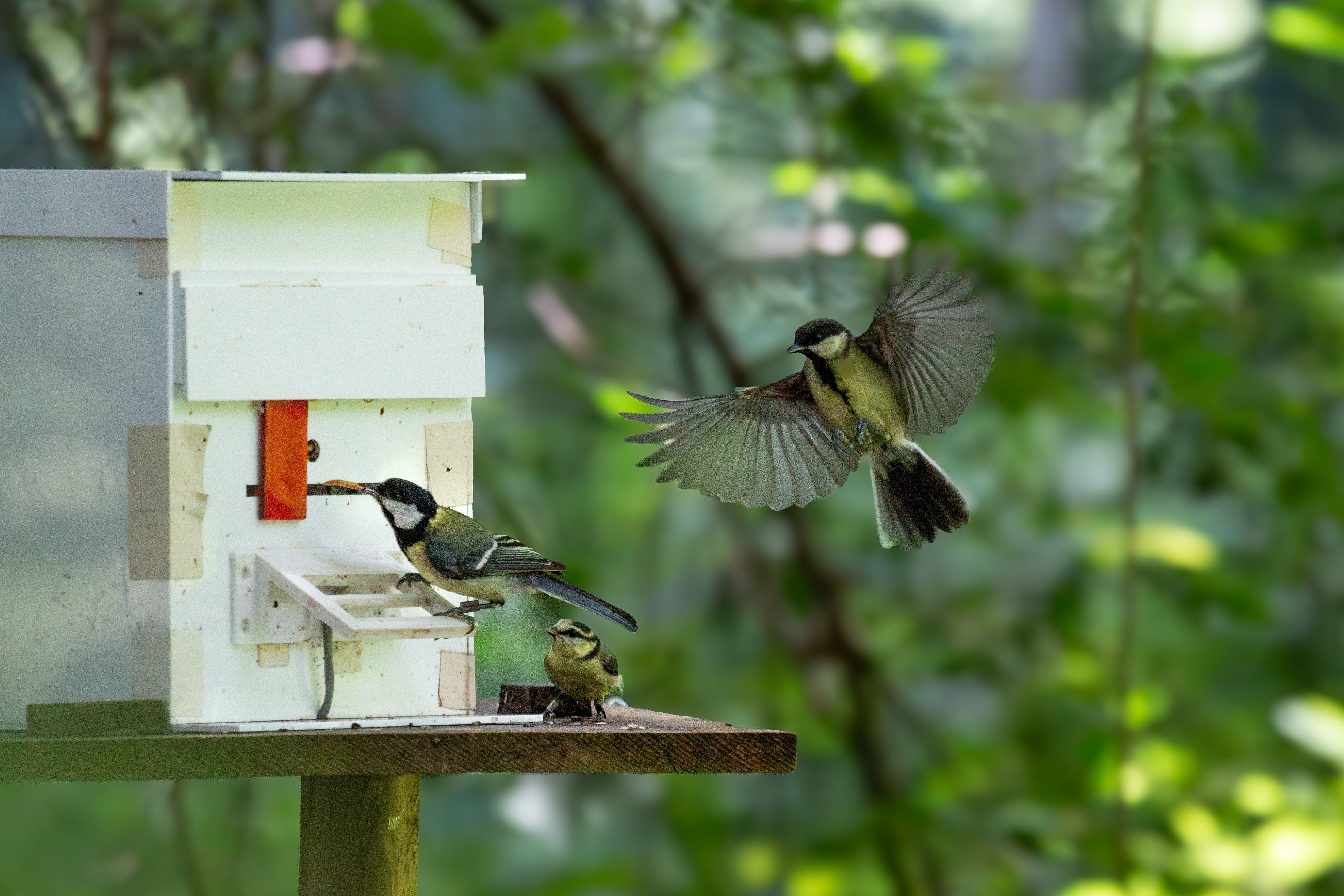
Juvenile birds may lean on siblings more than parents to learn to solve a puzzle. Sonja Wild, postdoctoral researcher at the University of California, Davis, explores why.Sonja Wild is a postdoctoral researcher at the University of California Davis. Her research aims to uncover the mechanisms underlying behavioral plasticity in free-ranging social animals. She is particularly interested in underlying cognitive processes — such as social learning phenomena and individual decision-making processes — and the fitness outcomes of behavioral variation at the individual level. Her research across different animal species from dolphins over songbirds to ground squirrels has sparked far-reaching interest beyond the scientific community.Learning from others is one of the most efficient ways to obtain new skills or information. In animals — including us humans — this process called ‘social learning’ is especially important for young individuals who have to learn essential survival skills right after birth. In many species, parents play a key role in this process. Offspring copy what their parents do, a form of ‘cultural inheritance’ that leads to behaviors being passed down within families through generations. But what happens in species where parents do not stick around for very long?That’s what we set out to explore in the great tit, a small songbird whose young reach independence from their parents after just a few weeks. We presented juvenile birds with foraging puzzles that could be opened by sliding a door either to the left or to the right. Through automated tracking, we recorded if and when each bird learned to solve the puzzle. Young birds whose parents knew how to solve the task were much more likely to learn it themselves, which points to cultural inheritance. But having a closer look at the learning pathways, a different story emerged. The first juvenile to learn in each family often learned not from its parents, but mostly from unrelated adults. And once one sibling learned to solve, all other siblings tended to copy the already knowledgeable sibling rather than their parents. Our study provides a contrast to the strict trans-generational cultures where transmission mainly occurs from parents to offspring and gives insights into the more variable learning pathways via siblings and non-parental adults in species with limited parental care and multiple offspring.[PLOS Biology] - Siblings and nonparental adults provide alternative pathways to cultural inheritance in juvenile great tits This is a public episode. If you would like to discuss this with other subscribers or get access to bonus episodes, visit www.academicminute.org
Embed this episode
Ready to play
Sonja Wild, University of California, Davis - Juvenile Birds Learn to Solve Foraging Puzzles From Siblings
No transcript for this episode yet
Similar Episodes
No similar episodes found.
Similar Podcasts
No similar podcasts found.