
EPISODE · Apr 6, 2026 · 14 MIN
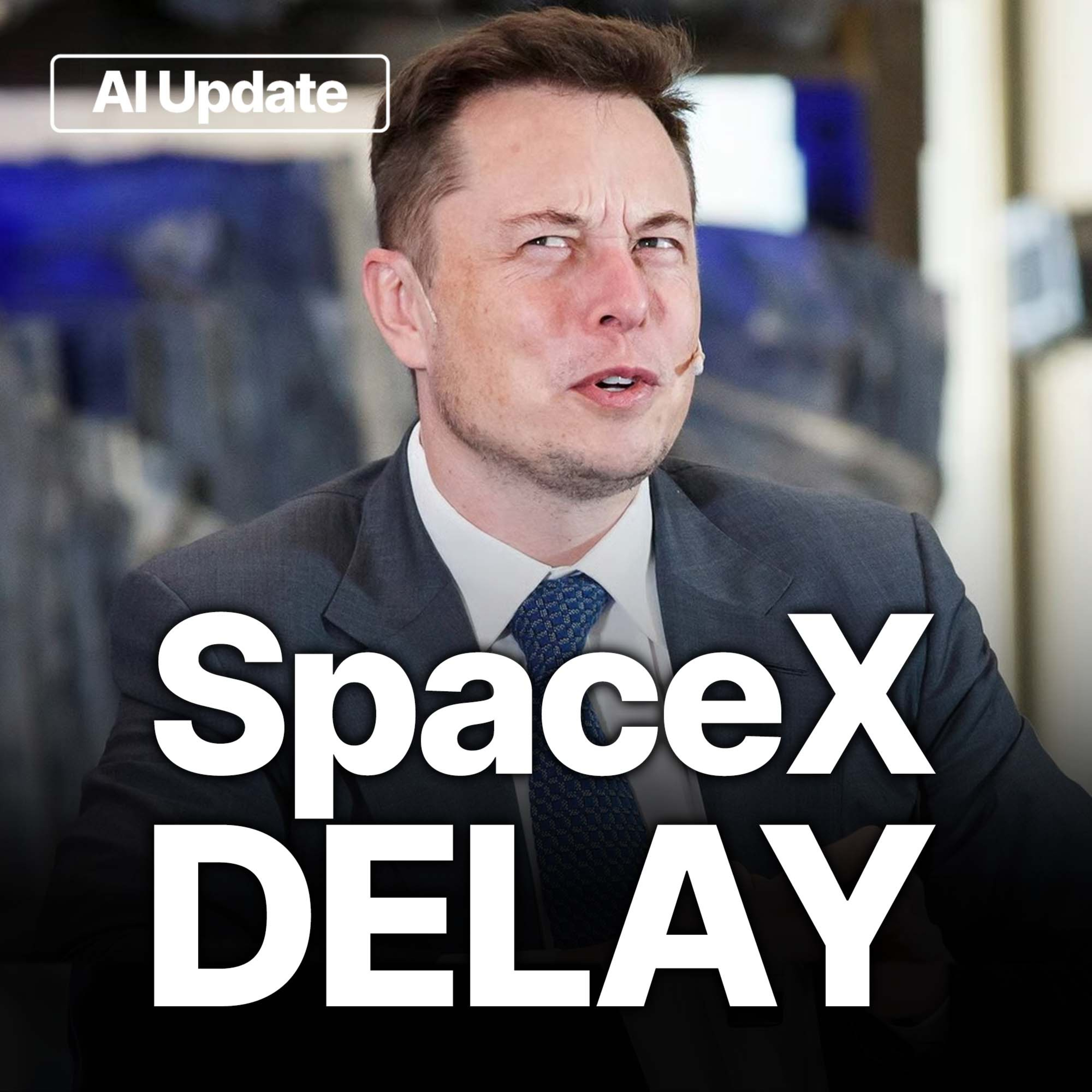
SpaceX Starship V3 Launch Update
from Elon Musk Podcast · host Stage Zero
The regulatory and technological evolution of SpaceX’s Starship-Super Heavy program as it transitions toward frequent orbital missions. The FAA has recently issued a finding of no significant environmental impact for new flight trajectories, potentially affecting thousands of annual commercial flights across the U.S. mainland and international territories. These expanded operations are supported by the introduction of the Raptor 3 engine, which offers record-breaking thrust and simplified manufacturing to enhance vehicle reusability. Additionally, SpaceX has redesigned the Super Heavy booster's grid fins, moving to a high-strength three-fin configuration to improve atmospheric control and facilitate more efficient mid-air "catches." While federal regulators move toward licensing these modifications, aviation groups have raised significant safety and operational concerns regarding potential falling debris and the management of shared airspace. Together, these documents illustrate the complex balance between rapid commercial space innovation and the safety requirements of the National Airspace System.
Embed this episode
Ready to play
SpaceX Starship V3 Launch Update
No transcript for this episode yet
Similar Episodes
No similar episodes found.
Similar Podcasts
No similar podcasts found.